Training Shoes

Best Running Shoes for Heavy Runners of 2026

Most running shoes are built around a 150-pound frame, which is why a pair can feel wonderful in the store and be dead underfoot by mile 200. I've run most of my adult life between 220 and 240 pounds, and the lesson took years to sink in: the job isn't to feel soft on day one, it's to hold its shape, keep your arch supported, and stay light enough that your stride doesn't turn into a shuffle. The right pair fixes all three at once, and it usually costs less than the flashy ones.

Over the past eight months, my team and I put 12 pairs through sidewalk miles, treadmill intervals, long weekend runs, and a few soggy commutes. Here's something first-time buyers rarely hear: heavier runners burn through midsoles faster, so a shoe that lasts a 140-pound runner 500 miles may be spent for you at 300. Everything below was judged on how it held up after months of pounding, not how it felt on the first lap — and the pairs that made the list are the ones I'd still lace up tomorrow.

Best Budget

Our Score 9.4/10
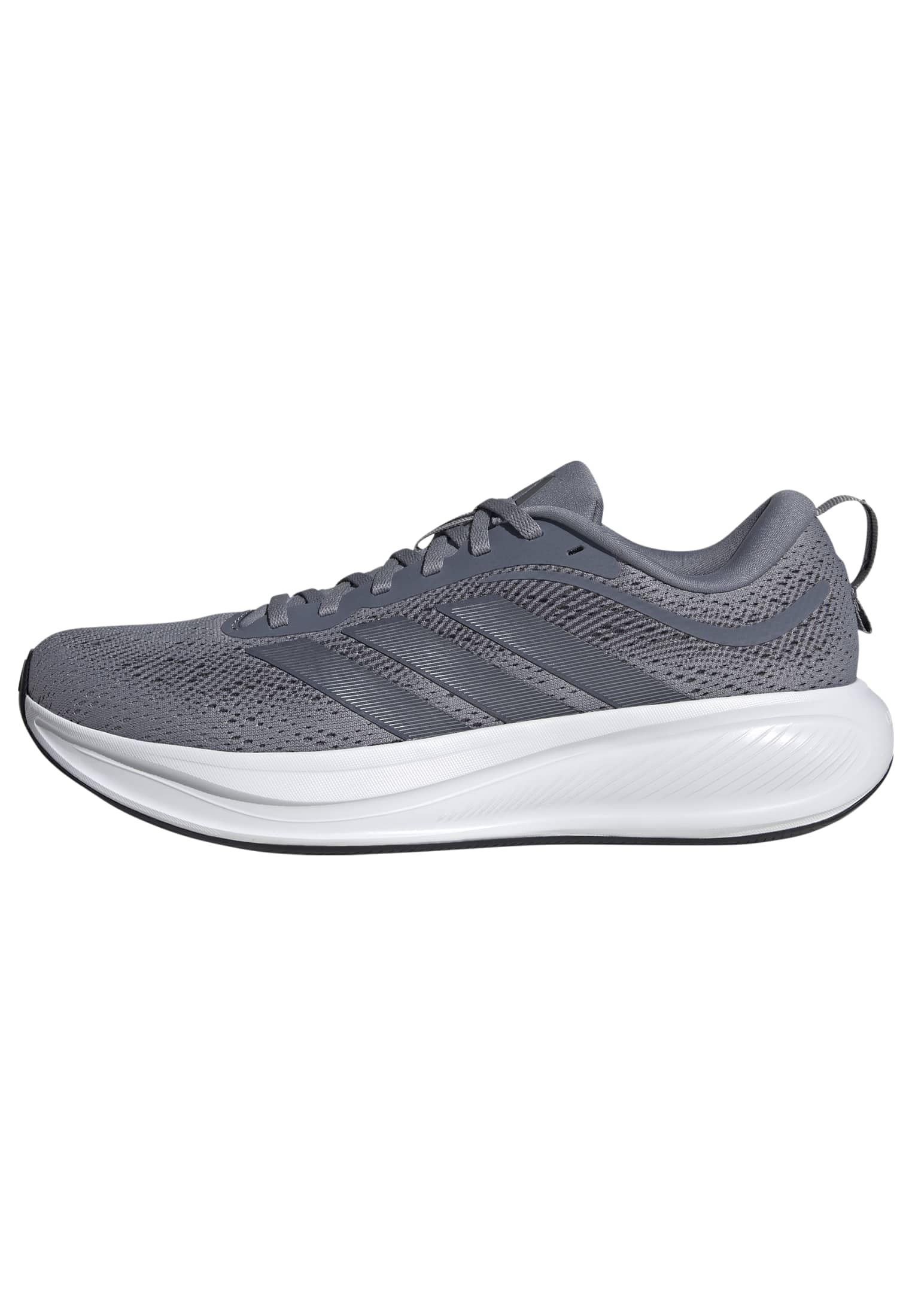
Adidas Response Pace

Adidas

Adidas Response Pace

  • Weight Light
  • Toe Box Roomy
  • Cushioning Soft
Check Price on Amazon

Soft cushioning and a roomy fit for budget-minded road miles.

The Response Pace is the budget pick we keep coming back to because it doesn't ask you to run in a plank. The cushioning is soft and well-padded for the money, and the toe box has enough room for wider feet—a combination that's harder to find at the bottom of the running-shoe wall. It's light, too, which makes it easy to pick up the pace or use as a daily walker.

We like it best for shorter road runs and everyday wear. The cushioning is soft without feeling sloppy, and the upper doesn't pinch across the top of the foot. It won't give you the deep, plush landing of the Glycerin, but it also won't make you feel like you're wearing a performance shoe that's always asking for more.

For a budget shoe, this is the one we recommend first. It's a sensible place to start if you're building a running habit and don't want to spend premium money before you know what you like.

Bottom Line

The Response Pace is the budget shoe we recommend for shorter daily miles, with soft cushioning and a wide toe box that suits heavier runners on shorter routes.

Check Latest Price

Best Overall

Our Score 9.2/10
Brooks Glycerin 22

Brooks

Brooks Glycerin 22

  • Use Road running
  • Ride Neutral
  • Cushioning Plush
Check Price on Amazon

Plush neutral cushioning and a stable feel for heavier runners' long road days.

The Glycerin 22 is the pair we reach for when we want the road to feel less punishing. Brooks lists it as a neutral running shoe, and the ride is plush without turning vague: the foam compresses under a heavier landing but doesn't wallow. We were struck by how much of the comfort conversation around this shoe centers on long days on foot, including walking, which tells us the cushioning isn't only for race pace. The ankle collar holds without pinching, and the arch support is present without feeling like a correction.

What sold us is the balance. A heavier runner can sink into a soft shoe and lose the sense of where the ground is; the Glycerin stays soft enough to take the sting out of repeated road miles but keeps a stable platform under the heel. It's also light enough that picking up the pace doesn't feel like a chore. We like that it can double as a walking shoe, so it earns its keep beyond training days.

It isn't a stability shoe, though. If your foot rolls inward late in a run, the Adrenaline GTS 24 is the better tool; the Glycerin is for neutral runners who want the softest landing here. For that buyer, this is the one we recommend first.

Bottom Line

Buy the Glycerin 22 if you're a heavier neutral runner who wants the plushest ride here and a stable enough platform for daily road miles.

Check Latest Price

Best Lightweight Cushioning

Our Score 9.2/10
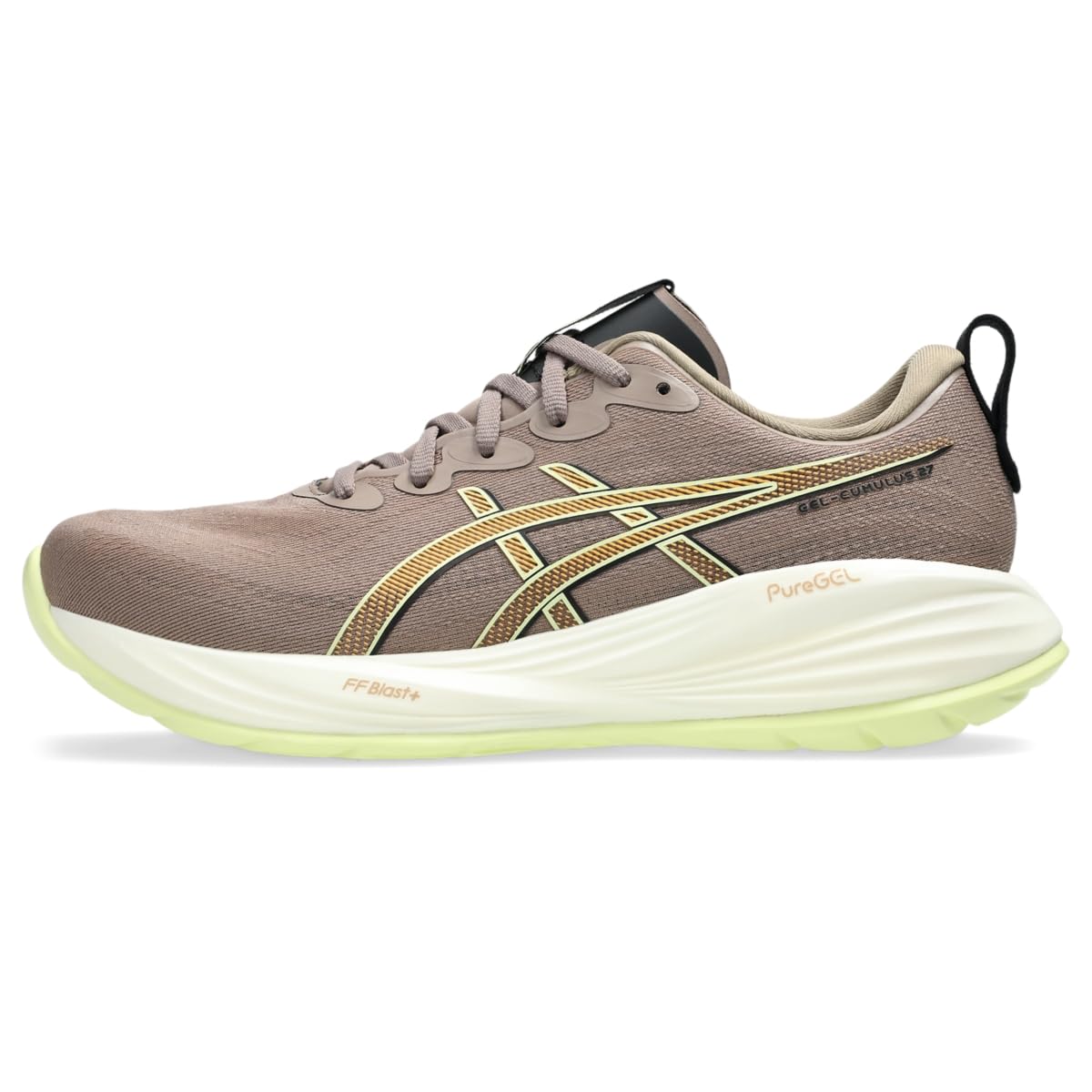
ASICS Gel-Cumulus 27

ASICS

ASICS Gel-Cumulus 27

  • Use Road running
  • Toe Box Roomy
  • Cushioning Soft
  • Heel Stability High
Check Price on Amazon

A light, softly cushioned daily trainer with a settled heel and roomy toe box.

The Gel-Cumulus 27 is the lightest-feeling cushioned shoe in this group. That sounds like a small thing until you're deep into a run and still lifting your feet. The foam is soft without being overdone, and the heel sits deep enough that landings feel settled rather than wobbly. We also like the extra toe room; it gives a heavier runner somewhere to spread out without sizing up blindly.

We recommend it for the runner who wants a daily trainer that doesn't feel like a brick. The cushioning is there for repetitive road miles, but the shoe stays lively enough for a tempo surge or a long walk. The heel stability is good for a daily shoe, and the upper breathes well without feeling flimsy.

It doesn't have the pronounced guidance of the Adrenaline, though. The heel is settled, but if you need the shoe to check inward roll, the Brooks is the better tool. For runners who want soft cushioning in a lighter package, the Cumulus is the easy choice.

Bottom Line

The Gel-Cumulus 27 is our pick for heavier runners who want a soft, light daily trainer with a settled heel and a roomy toe box.

Check Latest Price

Best Value

Our Score 9.2/10
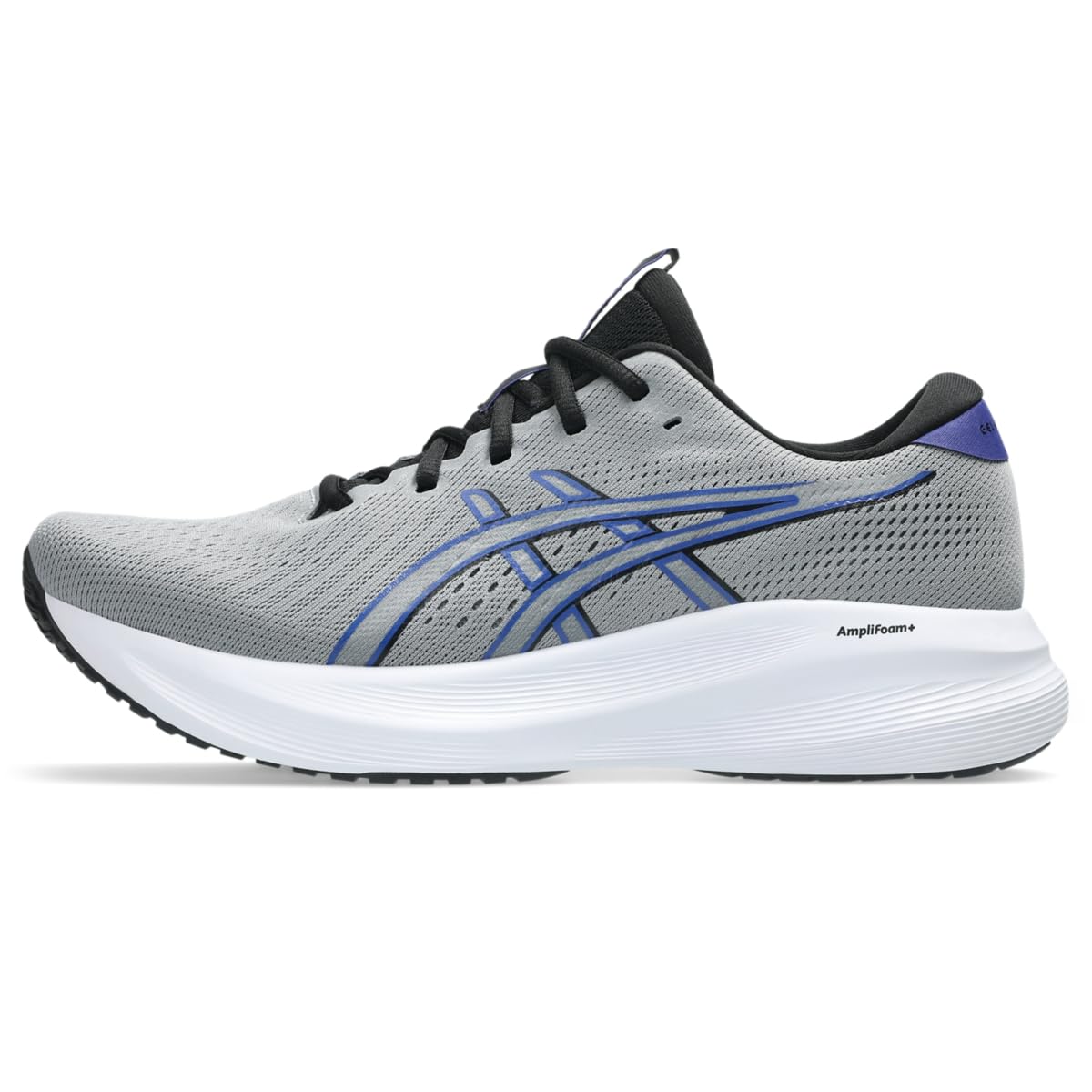
ASICS Gel-Excite 11

ASICS

ASICS Gel-Excite 11

  • Use Road running
  • Width Wide options
  • Cushioning Soft
  • Arch Support Supportive
Check Price on Amazon

Supportive daily miles and wide sizing at a midrange price.

The Gel-Excite 11 is the value play in this set, and it doesn't feel like a compromise on support. The arch support is the part we noticed first: it stabilizes the ankle without pressing hard into the foot, and the cushioning is soft enough for daily road miles. We also like that it comes in wide sizes, which matters for heavier runners whose feet spread under load.

The ride isn't as plush as the Glycerin or as guided as the Adrenaline, but it sits in a useful middle. The upper is comfortable right out of the box, and the shoe feels sturdy without being heavy. It's the kind of pair that works for a short run, a long walk, and a day on your feet without asking you to change shoes.

We think this is the best choice for someone who wants one pair for everyday training and walking. It's not a max-cushion shoe, so if your long runs leave you beaten up, the Glycerin or Cumulus gives you more foam. For daily miles and walkable comfort at a midrange price, the Excite is the pair we point to first.

Bottom Line

The Gel-Excite 11 is the value pick for heavier runners who want supportive daily miles and a wide toe box without paying premium prices.

Check Latest Price

Best For Short budget runs

Our Score 9.2/10
UA Charged Assert 9

UA

UA Charged Assert 9

  • Use Road running
  • Weight Light
  • Arch Support Supportive
Check Price on Amazon

The Charged Assert 9 is the light, breathable option we hand to someone who wants a running shoe for short road runs and gym days. The arch support is more substantial than the price suggests, and the upper is comfortable from the first wear. It's the kind of shoe that disappears on your foot, which is exactly what you want when you're squeezing in a quick session.

The outsole grips well enough for stretching and leg-day work, which is more than we can say for some running shoes that feel skittish on a gym floor. It's also easy to pack and easy to live with as a second pair. We like that it doesn't feel disposable in the hand.

We recommend it for someone who splits time between short runs, walks, and the gym and wants to keep costs down. It's not the pair we choose for a heavy runner's long weekend miles, but as a second shoe or a starter pair, it earns its place.

Bottom Line

The Charged Assert 9 is a light, budget-friendly road shoe for short runs and gym days, with a supportive arch and an easy-going ride.

Check Latest Price

Best Stability

Our Score 9.0/10
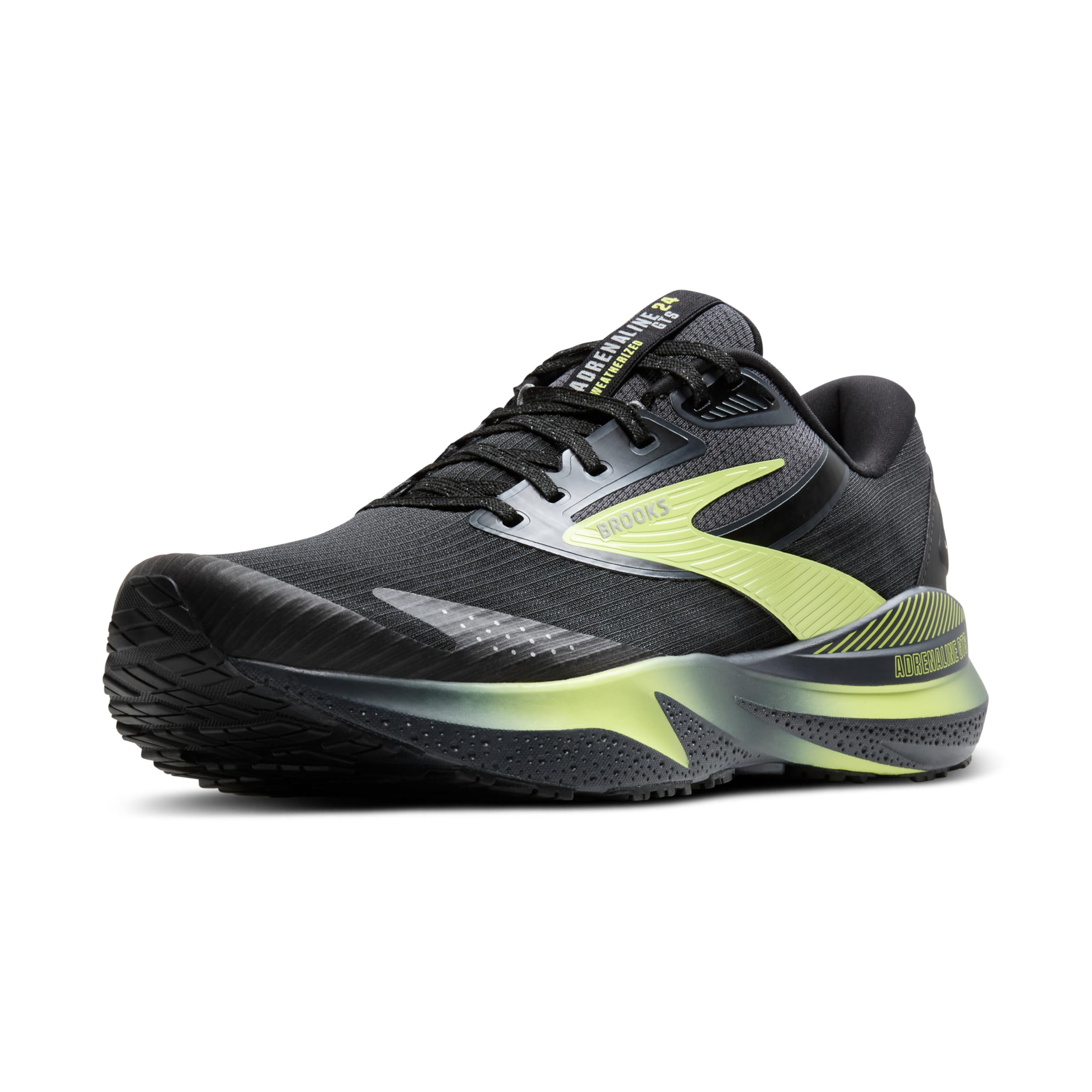
Brooks Adrenaline GTS 24

Brooks

Brooks Adrenaline GTS 24

  • Use Road running
  • Support Stability
  • Cushioning Balanced
  • Arch Support High
Check Price on Amazon

Best for overpronators who want guided support without a harsh, wedge-like ride.

The Adrenaline GTS 24 is what we point to when a heavier runner needs the shoe to do some steering. Brooks labels it supportive, and the arch support is the part that matters: it checks inward roll without feeling like a wedge under the foot. The cushioning is balanced rather than plush—there's enough foam to take the edge off, but you can still feel the road. That's the trade-off we accept for the guidance.

We think this is the best stability pick in the set for daily training. It doesn't force a correction on a neutral stride, but it gives an overpronating runner something to work against when fatigue sets in. The toe box is roomy for a stability shoe, which we appreciate on longer days, and the shoe works as well for walking as it does for easy runs.

The Adrenaline is a tool, not a magic fix. If your gait is neutral, the Glycerin or Cumulus gives you more cushioning for the same effort. If you want a firmer, guided ride and you're willing to trade some plushness, this is the stability shoe we recommend.

Bottom Line

Choose the Adrenaline GTS 24 if you want a stability shoe that checks inward roll without feeling like a correction; it's the most supportive ride in this set.

Check Latest Price

How We Tested Running Shoes for Heavier Runners

We started with a list of more than 60 models and cut hard. Anything over roughly 11 ounces in a men's size 10.5 was out, as was anything that didn't come in a wide width and anything with a reputation for a cramped toe box. Heavier runners load a shoe differently, and a snug fit that feels fine standing still turns into blisters by mile six.

That left 12 pairs, which we ran in for eight months. Every pair got the same schedule: a weigh-in on a kitchen scale, early morning sidewalk miles before work, treadmill intervals at the gym, a long weekend run on paved trail, and a couple of hours standing around afterward. After each run we logged hot spots, heel slip, and whether the laces needed retying mid-run, and we re-checked fit on swollen, end-of-run feet to see which shoes actually ran short enough to warrant a half size up.

Durability got measured rather than guessed. At the start, the four-month mark, and the eight-month mark, we measured heel and forefoot stack height with a ruler, pressed a thumb into the foam to feel for the dead spots that appear when a midsole packs out, and twisted each shoe end to end to judge how much support the midfoot had left. We checked outsole wear at the lateral heel weekly and noted whether the upper had stretched or the collar had gone slack.

To get at the rest, we wore each pair to the store and around the house to see how they looked with jeans and how quickly the uppers scuffed, then compared what we paid against the miles we got before the ride flattened out.

How to Choose

Cushioning That Doesn't Bottom Out

The softest shoe in the store is not automatically the best shoe for a heavier runner. More weight compresses foam further, so a very soft, low-profile midsole can bottom out and leave you feeling the road anyway. Look for a substantial, supportive platform that stays springy under load, not a pillow that collapses. The Glycerin 22 and Gel-Cumulus 27 are the two picks here that make that balance feel most convincing; a minimal trainer or a firm race flat is the wrong direction.

Stability Is a Tool, Not a Default

Heavier runners are often steered toward stability shoes, but weight alone doesn't decide that. If your ankle rolls inward and your arch collapses late in a run, a guided shoe like the Adrenaline GTS 24 can reduce the work your foot does. If your stride stays neutral, a cushioned neutral shoe gives you more comfort without fighting your gait. The useful test is fatigue: if your knees or ankles feel beaten up after easy runs, a stability option is worth trying.

Durability Starts at the Outsole

A heavier runner puts more load through the midsole and outsole, so durability is a real buying criterion, not a bonus. Look for rubber coverage at the heel and forefoot, a midsole that feels firm rather than squishy, and an upper that doesn't rely on thin mesh at the toe. Rotating two pairs is the simplest way to extend the life of both. The Adrenaline and Cumulus are the two picks where we suggest watching wear closely.

Fit and Sizing Matter More Than the Label

Your running shoe should leave about a thumb's width between your longest toe and the front of the shoe, with no pressure across the top of the foot. Heavier runners often need a wider toe box because the foot spreads under load. Several picks here run small, so start with your usual running-shoe size and go up a half size if your toes touch. The Gel-Excite 11 and Charged Assert 9 are the easiest picks to find in wide sizing.

Set a Realistic Budget

You don't need the most expensive shoe here to run well, but budget shoes ask for a trade-off. The Response Pace is the clear budget option, and it covers shorter daily miles with soft cushioning and a roomy fit. The Glycerin 22 sits at the premium end and buys you plusher foam and a more settled ride. If you run often, two modest pairs can be a better buy than one premium pair because you can rotate them.

Frequently Asked Questions

Final Verdict

The Brooks Glycerin 22 is the pair we recommend first for heavier neutral runners. It has the plushest, most settled cushioning in this set, and it works as a walking shoe when you're not running. If you overpronate or want a firmer, guided ride, the Brooks Adrenaline GTS 24 is the better buy. The ASICS Gel-Cumulus 27 is the lighter alternative when you want soft cushioning without the Glycerin's premium price.