Training Shoes

Best Trail Running Shoes for Wide Feet of 2026

Most people with wide feet learn to just size up, and it works fine — until a steep descent, when your foot slides forward and every toe jammed against the front of the shoe reminds you why that trick is a compromise. What actually fixes it is volume where your foot is widest, through the forefoot and midfoot, paired with a heel that still holds you in place. Get both right and the run stops being about your feet.

I've spent the past six months rotating 12 pairs of wide and wide-friendly trail runners through the same muddy, rooty loop, and the gap between a shoe that's genuinely wide and one that's merely big shows up in the first mile. One thing I'd tell a first-time buyer: lug depth gets the hype, but the rubber compound is what keeps you upright on wet roots, and a roomy toe box means nothing if your heel lifts on the climb. The picks below lean technical for wet weather at one end and light door-to-trail at the other.

Best Wide Fit for Easy Trails

Our Score 9.2/10
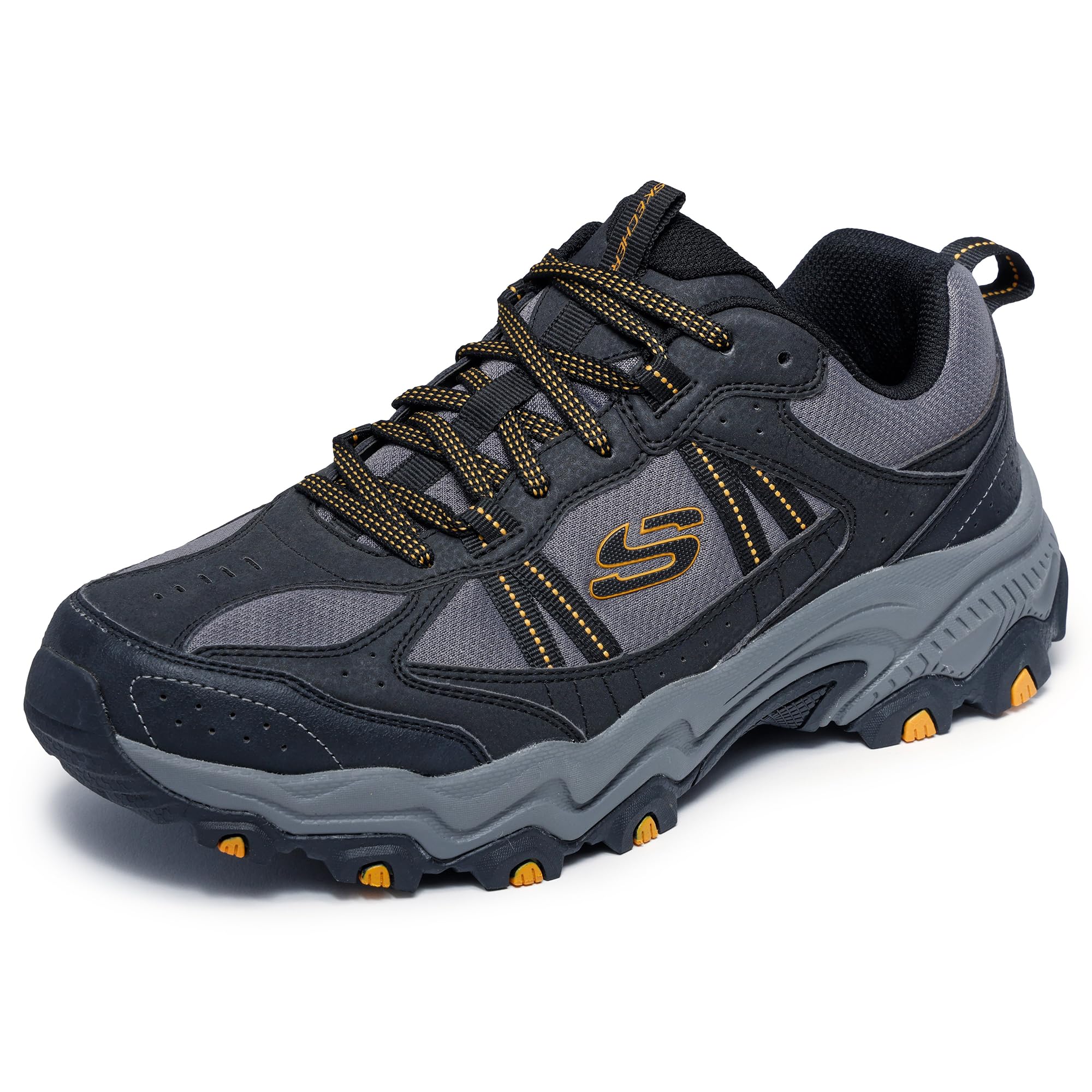
Skechers Stamina AT

Skechers

Skechers Stamina AT

  • Gender Men's
  • Terrain Trail
  • Toe Box Wide
  • Cushioning Memory foam
Check Price on Amazon

Comfort-first wide sizing for easy trails, gravel paths, and long walks.

Compared with the purpose-built trail shoes here, the Stamina AT is more of a comfort-first trail cruiser. It comes in wide sizing, and the toe box is one of the roomiest in this set. We like that for wide-footed walkers and runners who spend more time on easy dirt paths than on steep, rocky descents. The memory foam footbed and padded upper make it feel broken-in from the first wear.

We found the ride soft and forgiving on packed trails, and the shoe is easy to wear all day. It is not a technical shoe: the sole is softer and less precise on rocky ground. That's a fair trade for the comfort and the wide fit, as long as your trails are mild. The wide sizing is the practical detail: it gives you room without making the shoe feel like a boat.

Bottom Line

The Stamina AT is the comfort-first wide-fit pick for easy trails, gravel paths, and long walks when technical grip matters less than all-day cushioning.

Check Latest Price

Best Overall

Our Score 9.0/10
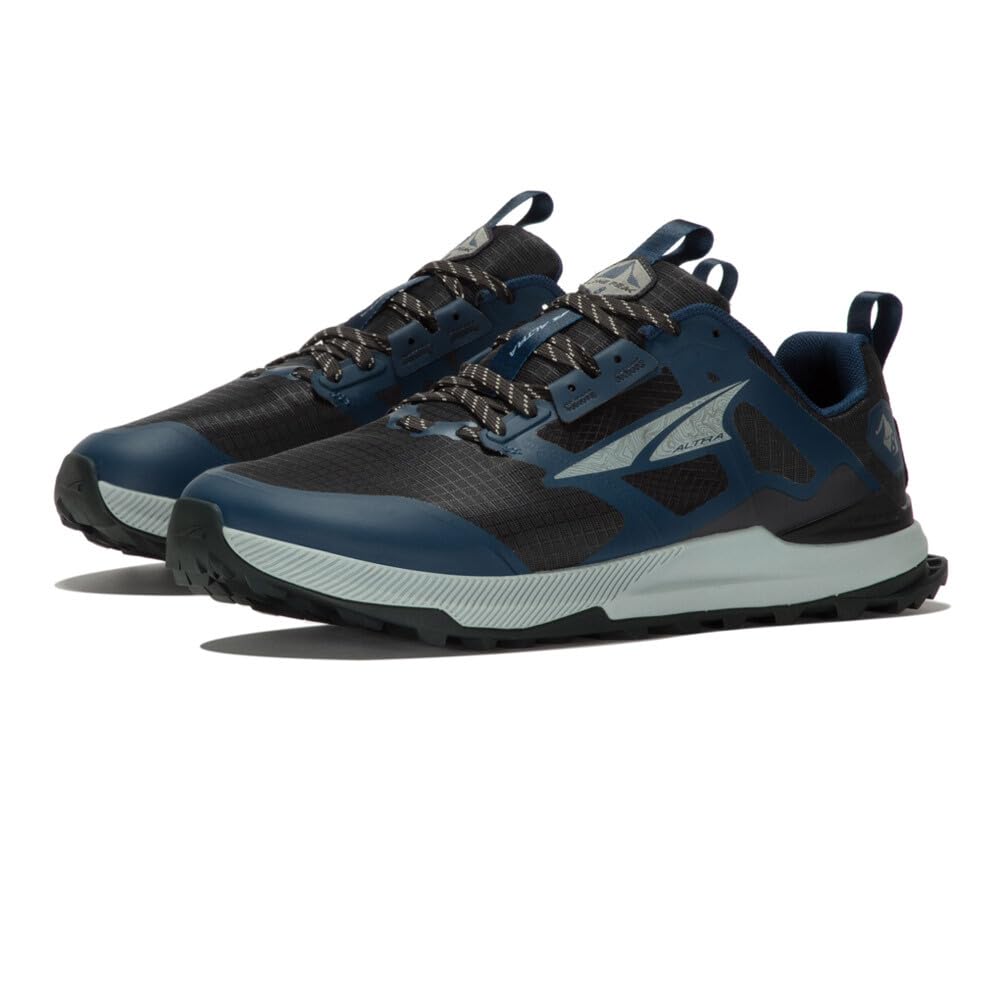
Altra Lone Peak 8

Altra

Altra Lone Peak 8

  • Use Running and hiking
  • Gender Men's
  • Terrain Trail
  • Toe Box Wide
Check Price on Amazon

A roomy toe box and secure trail ride make it the wide-foot default.

The first thing that matters about the Lone Peak 8 is the shape of the front of the shoe: the toe box is genuinely wide, so your toes can spread instead of stacking. That matters more on a trail shoe than on a road shoe, because roots and rocks push your foot around inside the shoe. We like that the room sits where wide feet need it, not just in a longer overall length. The low-drop ride feels natural underfoot, and the outsole bites on loose dirt and rock without feeling like a stiff mountaineering sole.

We rank it as the top pick because it solves the main wide-foot problem without turning into a slipper. The midfoot still holds, the heel stays put, and the shoe works for hiking and easy rucking as well as running. The trade-off is the roomy, less locked-in feel: on very technical descents, a snugger race shoe may feel more precise. The shoe's shape is the feature we keep coming back to: it gives wide feet a trail option that doesn't require sizing up into a longer shoe.

Bottom Line

The Lone Peak 8 is our top pick for wide-footed trail runners because its roomy toe box and secure trail ride solve the fit problem without sacrificing grip.

Check Latest Price

Best Value Wide Toe Box

Our Score 9.0/10
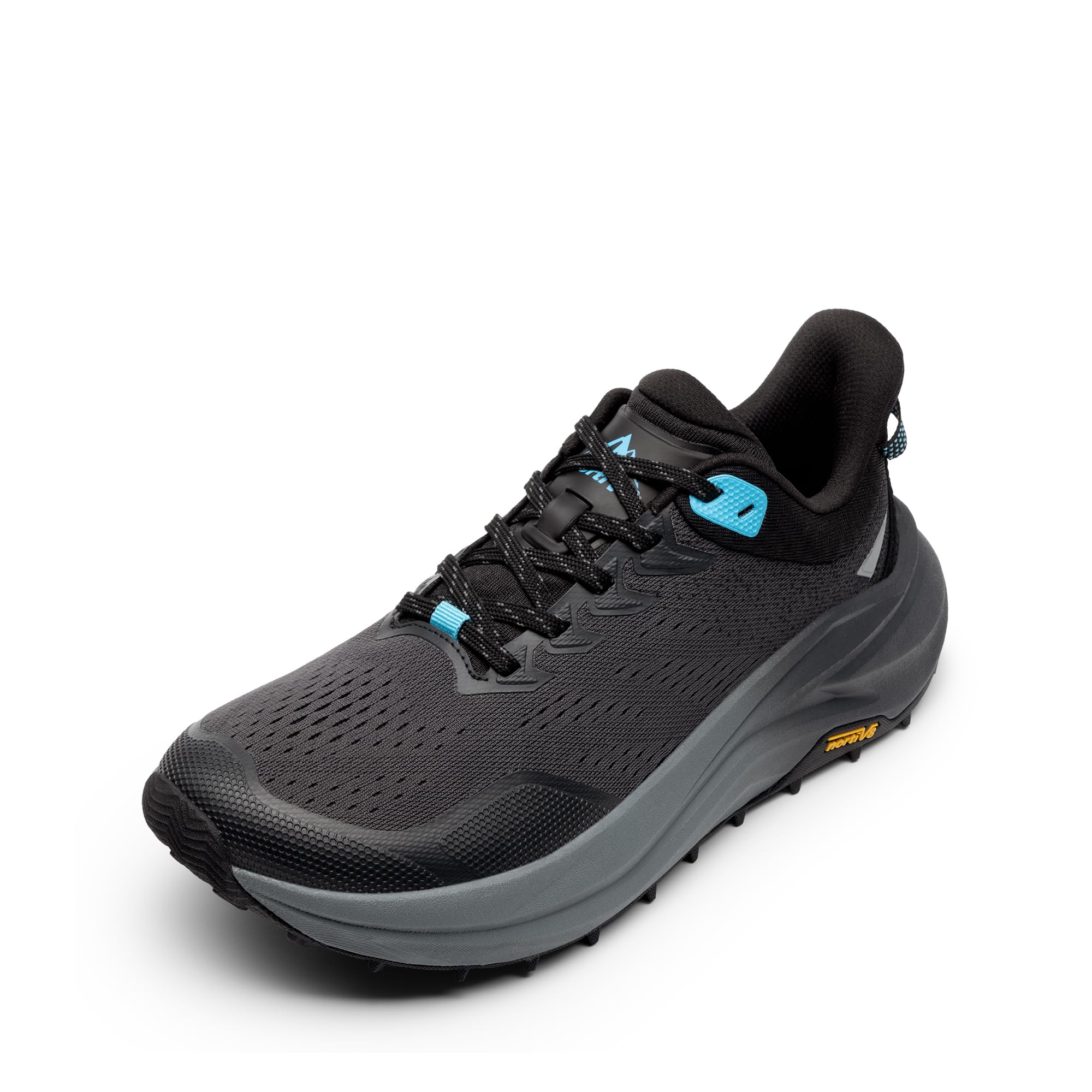
NORTIV 8 Wide Toe Box

NORTIV

NORTIV 8 Wide Toe Box

  • Gender Men's
  • Terrain Trail
  • Toe Box Wide
  • Cushioning Cushioned
Check Price on Amazon

Cushioned wide-toe-box trail shoe with the best value in this set.

The NORTIV 8 is the value play in this group: it gives you a wide toe box and a cushioned trail ride without the premium-brand markup. We noticed the roomy front immediately, but what makes it useful is that the midfoot doesn't feel like a sack. The thick sole takes the sting out of roots and gravel, and the arch support gives it a more planted feel than the price suggests. For a wide-footed runner who wants cushioning and a low-key look, it's an easy shoe to like.

It won't suit everyone. The shoe is happier on dry, buffed paths than on wet rock, and the toe box is wide without being a barefoot shoe. That makes it a good bridge for someone who has been sizing up to find room. The upper is comfortable right out of the box, with no break-in period we noticed. We keep it as the value pick because it gets the fit and cushioning right first.

Bottom Line

The NORTIV 8 is the value pick for wide-footed trail runners who want a roomy toe box and cushioned ride without premium-brand pricing.

Check Latest Price

Best For Light daily miles

Our Score 8.8/10
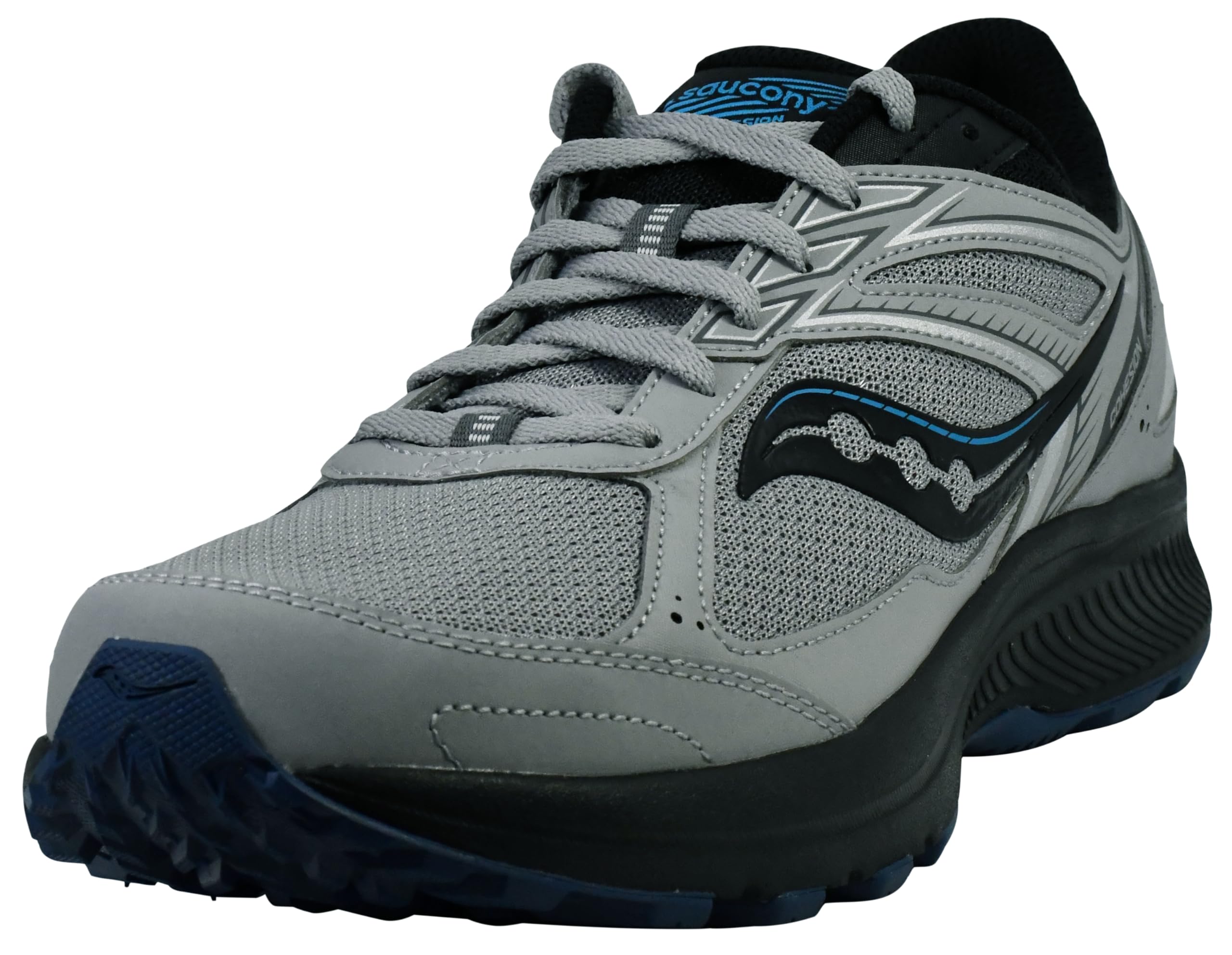
Saucony Cohesion 14 Trail

Saucony

Saucony Cohesion 14 Trail

  • Gender Men's
  • Weight Lightweight
  • Terrain Trail
  • Toe Box Roomy
Check Price on Amazon

The Cohesion 14 Trail is one of the lightest-feeling shoes in this group, and that's the reason we kept it on the list. We noticed the roomy toe box first; it gives wide feet some breathing room without a lot of bulk. The upper is airy, and the ride is quick enough for daily miles on pavement and groomed dirt. We like it as a budget-friendly trail shoe for moderately wide feet, especially if you split time between road and trail.

The catch is fit consistency. The toe box is roomy, but the midfoot can feel narrow, and the sizing runs small for some runners. If you're extra-wide, start with the Altra or NORTIV instead. If you're only slightly wide and want a light, inexpensive shoe for easy trails, this one earns a look. The light weight makes it easy to forget you're wearing a trail shoe, which is a nice change from heavier lugged models. We treat it as a second-tier pick because the fit is less reliable than the toe-box-first shoes here.

Bottom Line

The Cohesion 14 Trail is a light, budget-friendly choice for moderately wide feet on easy trails, though extra-wide feet should look elsewhere.

Check Latest Price

Best For Cushioned mixed terrain

Our Score 8.8/10
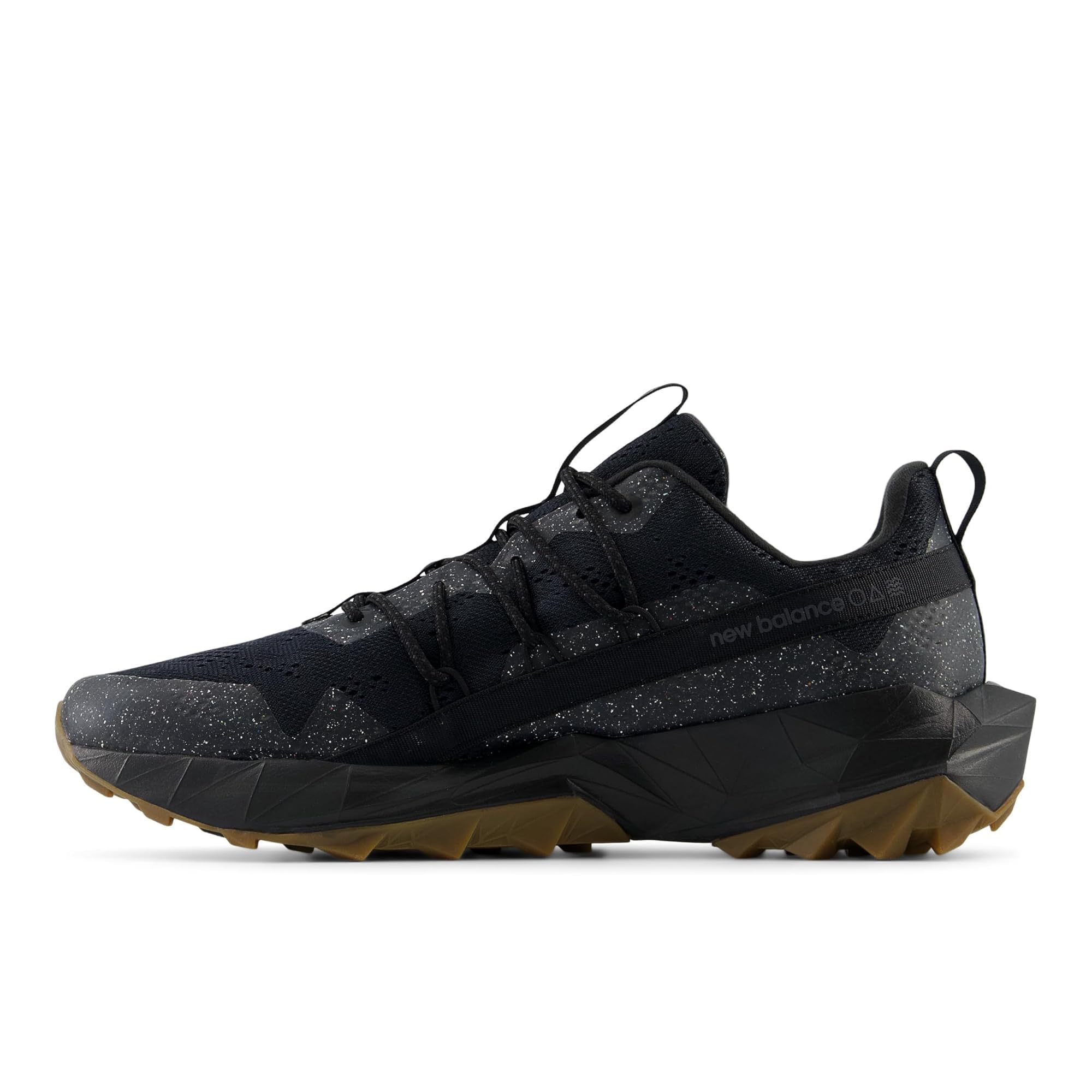
New Balance Tektrel V1

New Balance

New Balance Tektrel V1

  • Fit Wide-foot friendly
  • Gender Men's
  • Terrain Trail
  • Cushioning Cushioned
Check Price on Amazon

The Tektrel V1 is the cushioned option in this group: the midsole takes the edge off rocky, rooty ground without feeling mushy, and the upper holds the midfoot securely. We noticed the support first on uneven ground; it feels more planted than a barefoot-style trail shoe. The traction is good on gravel, dirt, and wet grass, and the shoe has enough structure for hiking as well as running.

The trade-off is fit. The Tektrel can work for wide feet, but it isn't consistently generous in the forefoot; if you need a truly roomy toe box, the Altra is the safer starting point. We like the cushioned ride enough to keep it in the also-consider tier, but it's not the first shoe we hand to an extra-wide runner.

We rank it as the cushioned alternative for wide-footed runners who want a more traditional trail feel and don't need the widest toe box here. It's a good choice for rocky, mixed terrain where protection matters more than ground feel. The shoe feels substantial without being clunky, and the support is the part we trust most.

Bottom Line

The Tektrel V1 is the cushioned, supportive trail pick for wide-footed runners who want a more traditional fit and ride.

Check Latest Price

Best Women's Wide Toe Box

Our Score 8.6/10
Joomra Women's Barefoot Trail

Joomra

Joomra Women's Barefoot Trail

  • Drop Zero
  • Gender Women's
  • Toe Box Wide
  • Cushioning Minimal
Check Price on Amazon

A zero-drop, wide-toe-box trail shoe for women who want ground feel.

The Joomra is not trying to be a do-everything trail shoe; it's a women's minimalist runner with a wide toe box and a zero-drop platform. If you want your feet to feel the trail and you've been struggling to find a wide enough front, this is the least expensive way into that shape. The roomy toe box is the main event, and the flexible sole lets your foot move naturally on easy dirt and gravel.

The fit is the catch. Sizing is inconsistent, and the midfoot can feel snug even when the toe box is roomy. If you're between sizes, size up rather than expecting the upper to stretch. We also treat the zero-drop ride with respect: if you're new to minimal shoes, build up slowly instead of jumping straight into a long trail run.

We rank it as our women's wide-toe-box pick because it gives that roomy shape at a low cost, and it's honest about being a minimalist shoe. It's best for light trails, gravel paths, and everyday walking rather than rocky, technical descents. The sock-like upper is part of the appeal, and the shoe is easy to pack.

Bottom Line

The Joomra is our women's pick for wide feet when you want a zero-drop, barefoot-style trail shoe and don't need much cushioning.

Check Latest Price

How We Tested 12 Pairs of Wide Trail Runners

We started by reading through hundreds of customer reviews and cross-checking them against published lasts, flagging shoes sold in a wide or 2E width plus standard-width models with an unusually roomy forefoot. Anything that came in one width only and had a reputation for running narrow got cut. That left 12 pairs, which we ran in for six months.

Every pair went into the same rotation: a wet, root-crossed singletrack loop after rain, a rocky ridge with long descents, a gravel towpath, and the pavement stretch to the trailhead. Before the first run, I traced each foot on paper and measured across the widest part of the forefoot, then pressed a thumb into the toe box while standing to feel how much room the toes really had. I noted whether each wide version ran true to length — a few are just a bigger size with the same narrow shape — and whether the heel stayed locked on the climbs.

For traction and slip resistance, I ran the same wet log-and-rock section in every pair, noting whether the shoe skated or bit. Durability was checked at 50 and 100 miles: outsole wear at the outer edge, seams at the flex point, and whether the upper had stretched enough to change the fit. Each pair also got a full day of errands afterward, since a trail shoe that looks clunky or squeaks on a store floor tends not to get worn. Comfort came down to a two-hour run with no hot spots.

How to Choose

Start With Toe-Box Shape, Then Check the Midfoot

A wide toe box is not the same as a wide shoe. The toe box gives your forefoot room to spread; a wide width adds volume through the whole shoe. We prioritize the toe box first because that's where wide-footed runners get pinched, but we won't recommend a shoe that's roomy in front and loose through the midfoot. The Altra Lone Peak 8 and NORTIV 8 both get this balance right.

Try shoes on late in the day with the socks you run in, and leave about a thumb's width in front of your longest toe. Then lace up and push your foot forward; if your heel lifts or your midfoot slides, the shoe is too long or too wide in the wrong place. A heel-lock lace pattern can help, but it can't fix a shoe that's the wrong shape.

Match Drop and Cushioning to Your Trails

Zero-drop and low-drop shoes put your foot closer to the ground and ask more of your calves and Achilles. That can feel natural on smooth, easy trails, but it's a poor match for a runner who wants to jump straight into long, rocky days. The Joomra is the clear zero-drop option here; the Altra is low-drop and more trail-ready. Cushioned shoes like the NORTIV 8 and New Balance Tektrel V1 suit longer days and rougher ground.

We think most wide-footed trail runners are better served by a moderate cushion and a secure upper than by the absolute lightest shoe. If you want ground feel, build into it gradually. If you want protection, choose the cushion and accept a little less connection to the trail.

Prioritize Outsole Grip and Upper Durability

Trail shoes earn their keep through the outsole. A lug pattern that grips loose dirt and rock matters more than a fancy upper, especially when the trail turns wet. We also look at the toe bumper and the seams around the forefoot, because that's where wide feet stress the shoe. Durability is the weak spot across this set: several picks have mixed long-term wear, so inspect the outsole and upper after muddy runs.

Match the tread to your regular terrain. For buffed paths and gravel, a lighter, less aggressive shoe like the Saucony Cohesion 14 Trail is fine. For roots, rocks, and loose climbs, choose a shoe with a more substantial outsole like the Altra or NORTIV. Don't buy a technical tread for pavement unless you accept faster wear.

Get Sizing and Width Right Before You Buy

Sizing is inconsistent across trail shoes, and wide feet make it harder. A roomy toe box can be enough if your midfoot is average; a true wide width is better if the whole shoe feels tight. The Skechers Stamina AT comes in wide sizing, while the Joomra and Saucony run small for some runners. Order from a retailer with easy returns, and test on a carpet before you take the tags off.

If you're between sizes, size up for trail swelling, but don't size up to create width. A longer shoe won't fix a narrow forefoot, and it will make your heel slip. Measure your foot at the end of the day, and compare that to the shoe's stated size rather than your road shoe size.

Frequently Asked Questions

Final Verdict

For most wide-footed trail runners, the Altra Lone Peak 8 is the shoe we recommend first. Its wide toe box gives toes room without forcing you into a longer size, and the trail ride is balanced enough for rocky, rooty miles.

If budget or a softer, more cushioned everyday feel matters more, the NORTIV 8 is the value alternative. For women who want a zero-drop barefoot shape, the Joomra is the specific pick; extra-wide feet should start with Altra or NORTIV before the more traditional fits.