Training Shoes

Best Running Shoes of 2026

The cruelest trick in running shoes is the store aisle. Every pair feels great on that carpet, and then a few miles in you find the hot spot, the heel that slips, the upper that creases exactly where your toe bends. What you actually need is narrower than the marketing: a heel that holds without pinching, arch support that meets your foot instead of fighting it, and an outsole that still has tread at 300 miles.

Sizing is the other place people get burned, since a 9 in one brand can feel like an 8.5 in another. Over six months my team and I ran in 14 pairs, from plain daily trainers to carbon-plated racers, and the ones that held up best were comfortable on the first mile and still comfortable on the twelfth, and good-looking enough that nobody changed shoes before running errands. A few picks below are built for one narrow job; most can carry you through an entire training week.

Best for Wide Feet on a Budget

Our Score 9.4/10
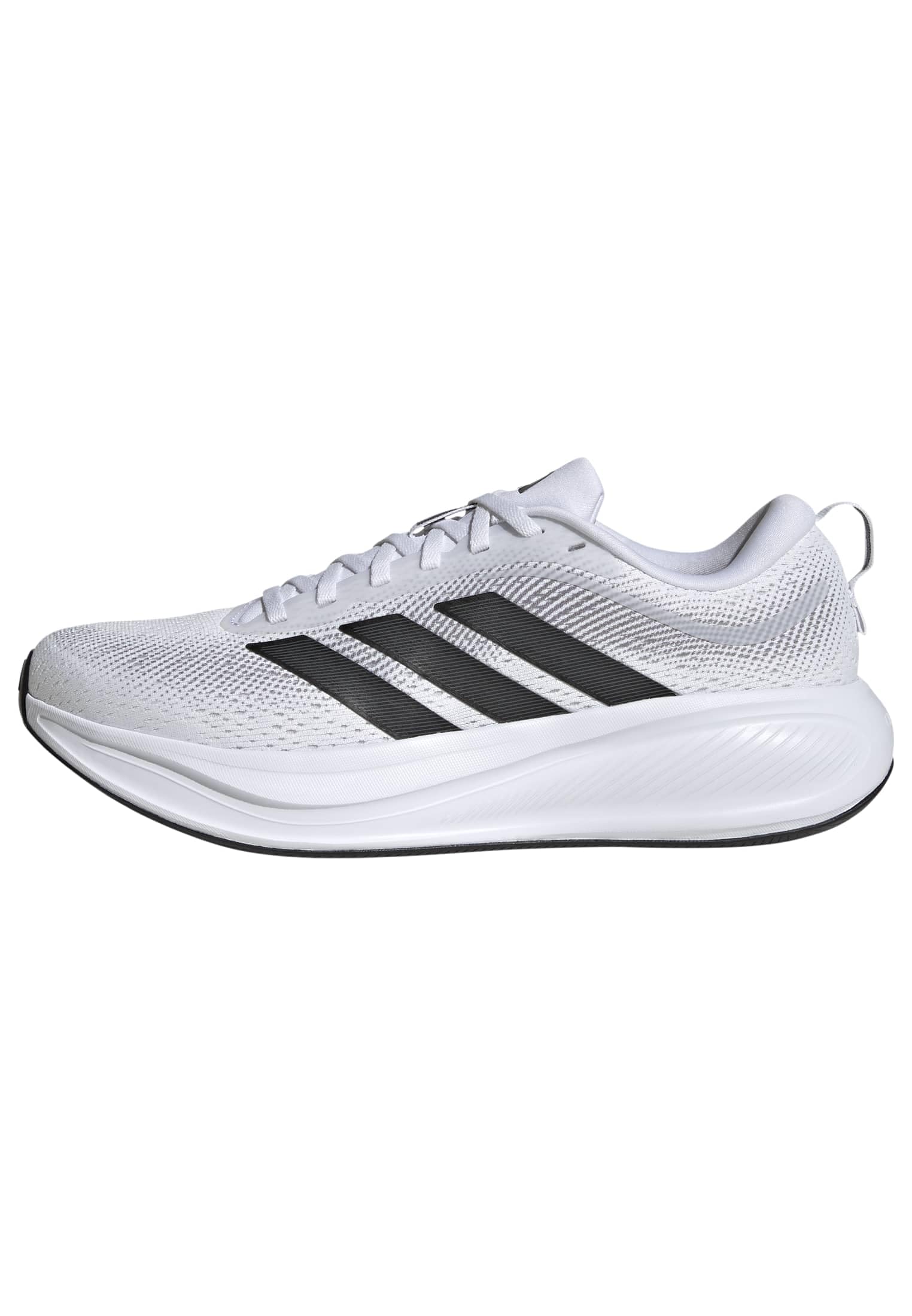
adidas Response Pace

adidas

adidas Response Pace

  • Fit Roomy toe box
  • Sizing Men's
  • Surface Road
Check Price on Amazon

A roomy toe box and a light feel for very little money.

If your forefoot has never quite fit into a running shoe, start here. The Response Pace has one of the roomiest toe boxes among these picks, and it doesn't pinch across the ball of the foot the way a standard width will.

It's also the least expensive shoe here, which makes the fit story better still. The build is simple — light mesh upper, firm-ish foam midsole, flat outsole — but it's put together well, and it doesn't feel like a compromise on a three-mile loop.

Where it lands against the others matters: it isn't as cushioned as the Novablast or as structured as the Adrenaline, and it doesn't need to be. It's the shoe for short daily runs, a treadmill session, and the walk to the store, and it does all three without complaining.

Bottom Line

The Response Pace is what we suggest for wide forefeet on a tight budget: a roomy, light shoe for short and easy miles.

Check Latest Price

Best Cushioned Ride

Our Score 9.2/10
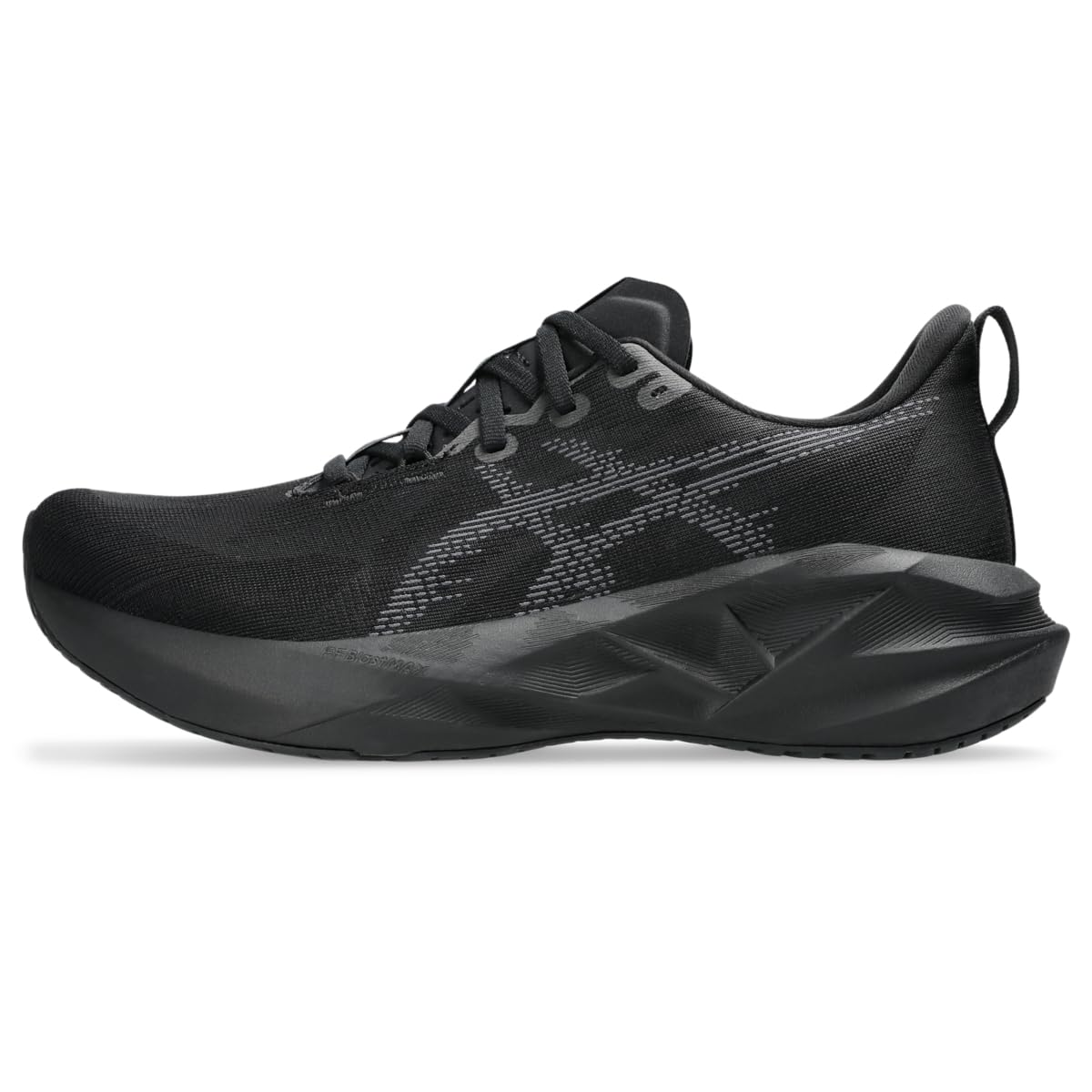
ASICS Novablast 5

ASICS

ASICS Novablast 5

  • Sizing Men's
  • Weight 1.44 lb
  • Surface Road
Check Price on Amazon

A bouncy, light shoe that makes easy days feel easier than the pace suggests.

The Novablast 5 is the bounciest shoe in this guide, and the one we reach for when the legs are tired and the run is supposed to be easy. The midsole is thick and springy rather than pillowy: you feel it push back on landing, which is a different sensation from the soft, sinking cushioning of the Skechers.

It's light for how much foam it carries, and steadier than a shoe this soft has any right to be — the landing stays centered instead of wandering out from under you. Men's sizing runs true, and the toe box has a little more room in it than earlier versions of the shoe had.

What you trade for the ride is longevity. The foam is the first thing to go, and some pairs flatten out or separate at the outsole well before the upper shows any wear. If you run five days a week, treat this as one of two pairs in rotation rather than the only shoe in the closet.

Bottom Line

We point runners who want a soft, lively ride at the Novablast 5 — just plan on it being one of two pairs rather than the only shoe you own.

Check Latest Price

Best Budget

Our Score 9.2/10
Under Armour Charged Assert 9

Under Armour

Under Armour Charged Assert 9

  • Sizing Men's
  • Midsole Charged foam
  • Surface Road
Check Price on Amazon

One of the least expensive pairs here, and it still runs like a real running shoe.

The Assert 9 sits at the bottom of the price range in this guide, and it's the one we point people toward when the budget is real. Nothing about it feels like a corner cut on a normal run: it's light, the outsole grips, and it's comfortable from the first wear with no break-in to speak of.

Durability is where it earns its keep. The uppers hold their shape, the tread survives, and these stand up to daily wear that would finish off a flimsier budget shoe. It cleans up well enough for the gym, the styling is neutral rather than loud, and the arch support is better than the price suggests.

The cushioning is the honest limit. It's a firm, fairly thin ride — fine for a few miles a day, less forgiving once you're past an hour. That's the trade at this price, and for a high-school runner, a gym-goer, or anyone who replaces shoes every season, it's a good one.

Bottom Line

For the smallest outlay here you get a light, grippy shoe that behaves like a real running shoe — just size up a half.

Check Latest Price

Best For Everyday wear

Our Score 9.0/10
Nike Run Swift 3

Nike

Nike Run Swift 3

  • Sizing Men's
  • Widths Standard and wide
  • Surface Road
Check Price on Amazon

Nike's simplest road shoe doesn't try to be memorable, and that's the point. The Run Swift 3 is a plain, well-made everyday trainer: soft underfoot without being mushy, roomy enough through the toe for a wide foot, and finished cleanly enough to wear with jeans.

Durability is where it earns its place. The upper holds its shape, the outsole lasts, and the cushioning stays consistent over months rather than compacting in the first few weeks. It's the quiet, buy-it-again kind of shoe rather than the exciting one, and Nike offers it in wide sizing.

The slightly awkward part is the price. It does the same job as the Assert 9 for more money, and the Ghost is a more refined daily trainer for a little more again. What it has going for it is simplicity: one clean upper, one foam, no gimmicks, and a fit that doesn't ask anything of you.

Bottom Line

A plain, durable everyday trainer that does nothing clever and everything competently — the pick if you want a simple Nike for daily miles.

Check Latest Price

Best For All-day comfort

Our Score 9.0/10
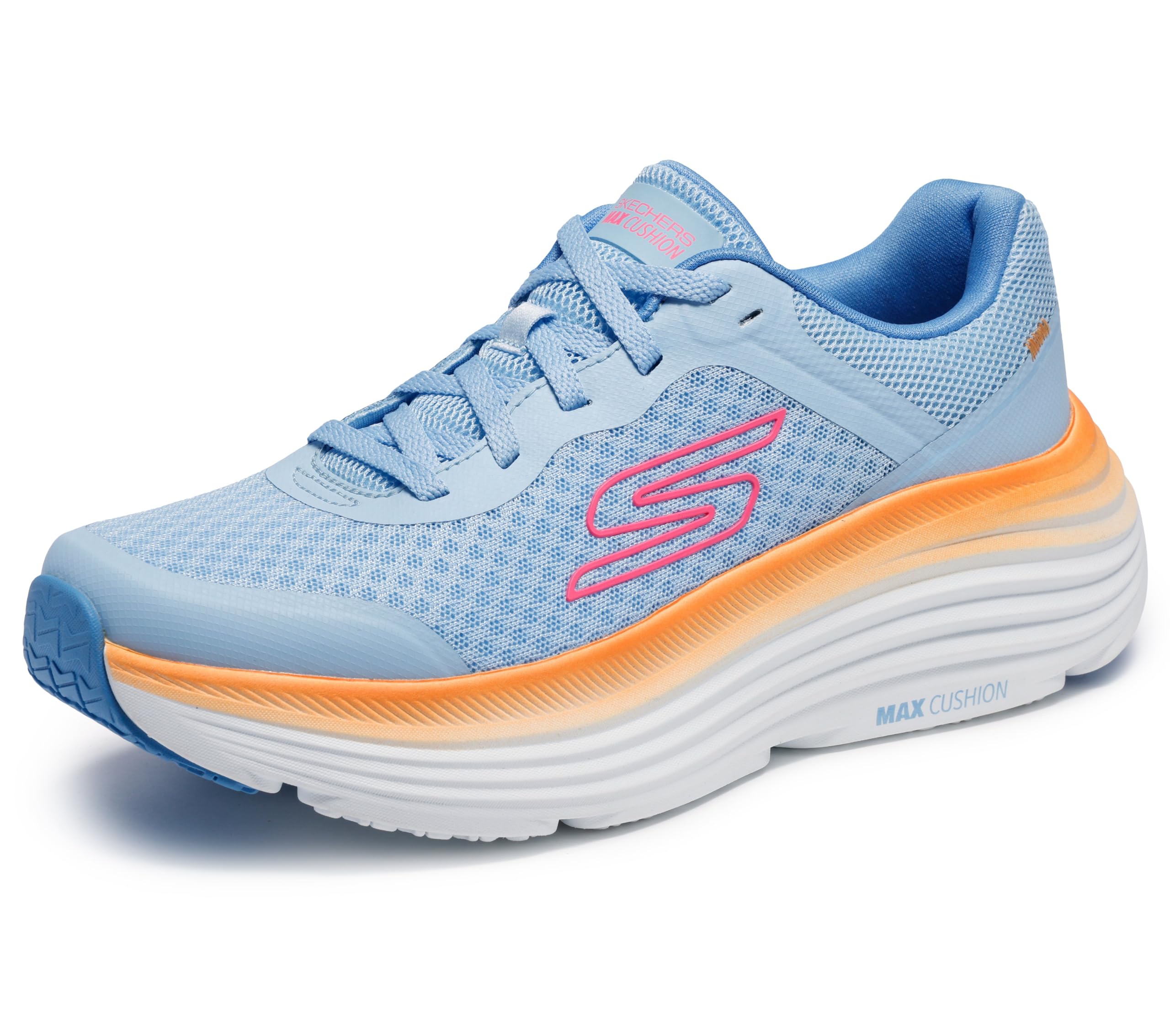
Skechers Max Cushioning Endeavour

Skechers

Skechers Max Cushioning Endeavour

  • Sizing Women's
  • Weight 1.5 lb
  • Surface Road
  • Cushioning Max
Check Price on Amazon

Twelve-hour shifts, a long day at a theme park, hours on a hard floor — that's where the Endeavour makes its case. The sole is thick and soft, the upper is roomy and flexible, and it slips on without a fight, which is why it's easy to keep on long after the run is over.

As a running shoe it's honest rather than exciting. The cushioning is plush, the fit is generous through the toe, and it's the roomiest women's shoe in this guide. At a budget price it's the least expensive route to max-level cushioning, which is exactly what some runners are shopping for.

It's not a speed shoe and doesn't pretend to be. The ride is soft and slow, and the gentle rocker rolls you forward rather than pushing you, so tempo days will feel like work. For easy jogs and long days standing, that's the right trade to make.

Bottom Line

These are the max-cushion bargain we recommend for women who are on their feet all day, with the caveat that they aren't built for pace.

Check Latest Price

Best Overall

Our Score 8.8/10
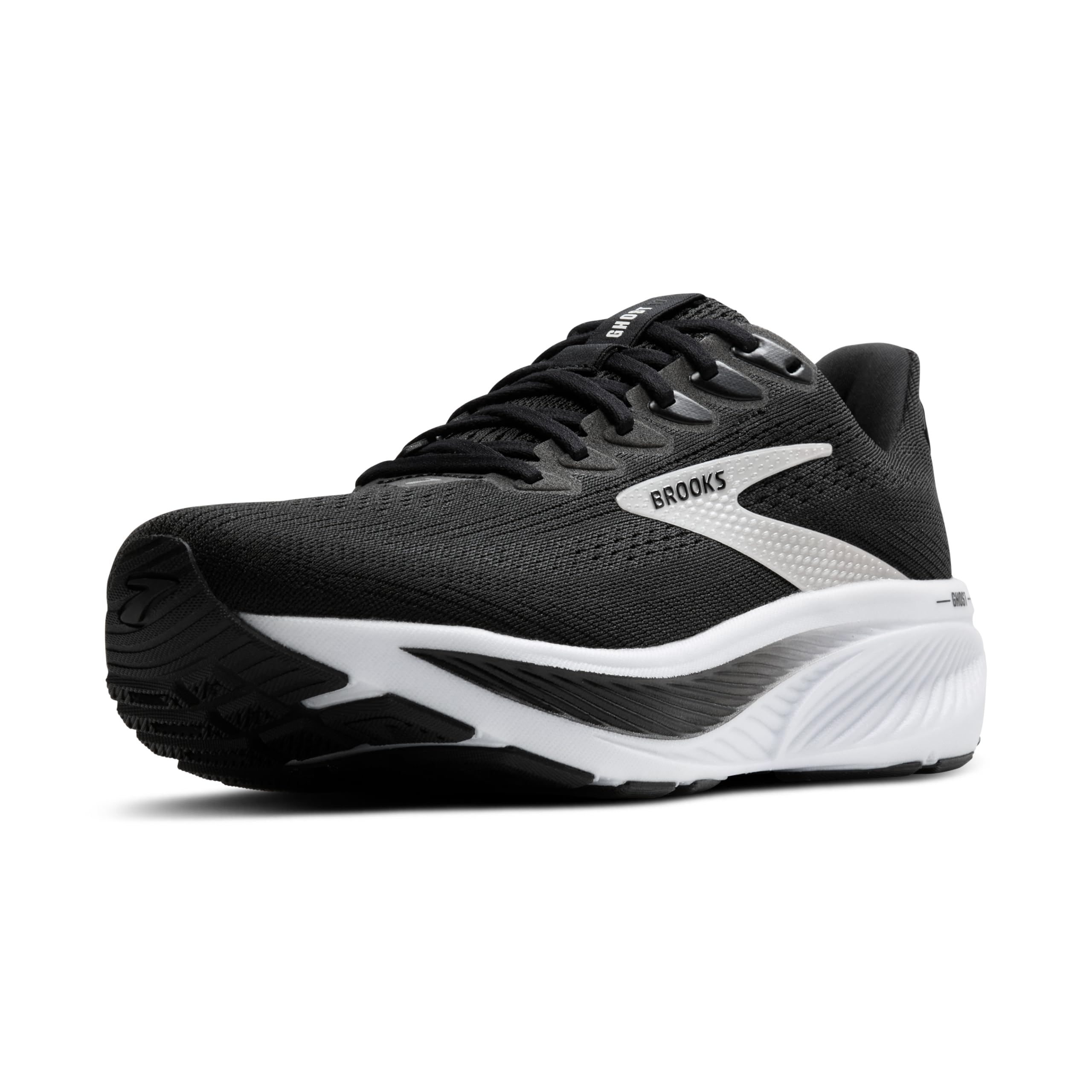
Brooks Ghost 17

Brooks

Brooks Ghost 17

  • Sizing Women's
  • Surface Road
  • Pronation Neutral
Check Price on Amazon

The neutral daily trainer we recommend first for a full week of road miles.

Most runners need one shoe that does everything: easy miles, a weekly tempo run, the walk to the coffee shop afterward. The Ghost 17 is that shoe. It's a neutral daily trainer with a soft midsole and enough structure through the heel that a long run doesn't turn into a wobble, and nothing about it demands a particular stride.

The arch support is the strongest part of the package — ankles feel held rather than tipped — and the cushioning sits in the middle of the road: plusher than the Assert 9, firmer and more planted than the Novablast. There are enough colorways that you can find a pair you don't mind being seen in, which counts for more than it should.

What puts it at the top of this guide is breadth. You can run a parkrun in it, wear it for a slow Sunday long run, and take the dog out in it afterward. For most runners that flexibility is worth more than a specialist shoe's edge in one narrow setting, and it's why this is the pair we tell people to buy first.

Fit is the one place the Ghost splits opinion — the midfoot runs narrow for some runners, while others find the length a touch generous. Brooks builds this model in wide widths, which is the practical answer: if you're between sizes or have a broad forefoot, order the wide rather than sizing up.

Bottom Line

The Ghost 17 is the pair we recommend first for road miles: a neutral daily trainer that fits a full training week, with wide sizing to answer its narrow cut.

Check Latest Price

Best for Extra Support

Our Score 8.8/10
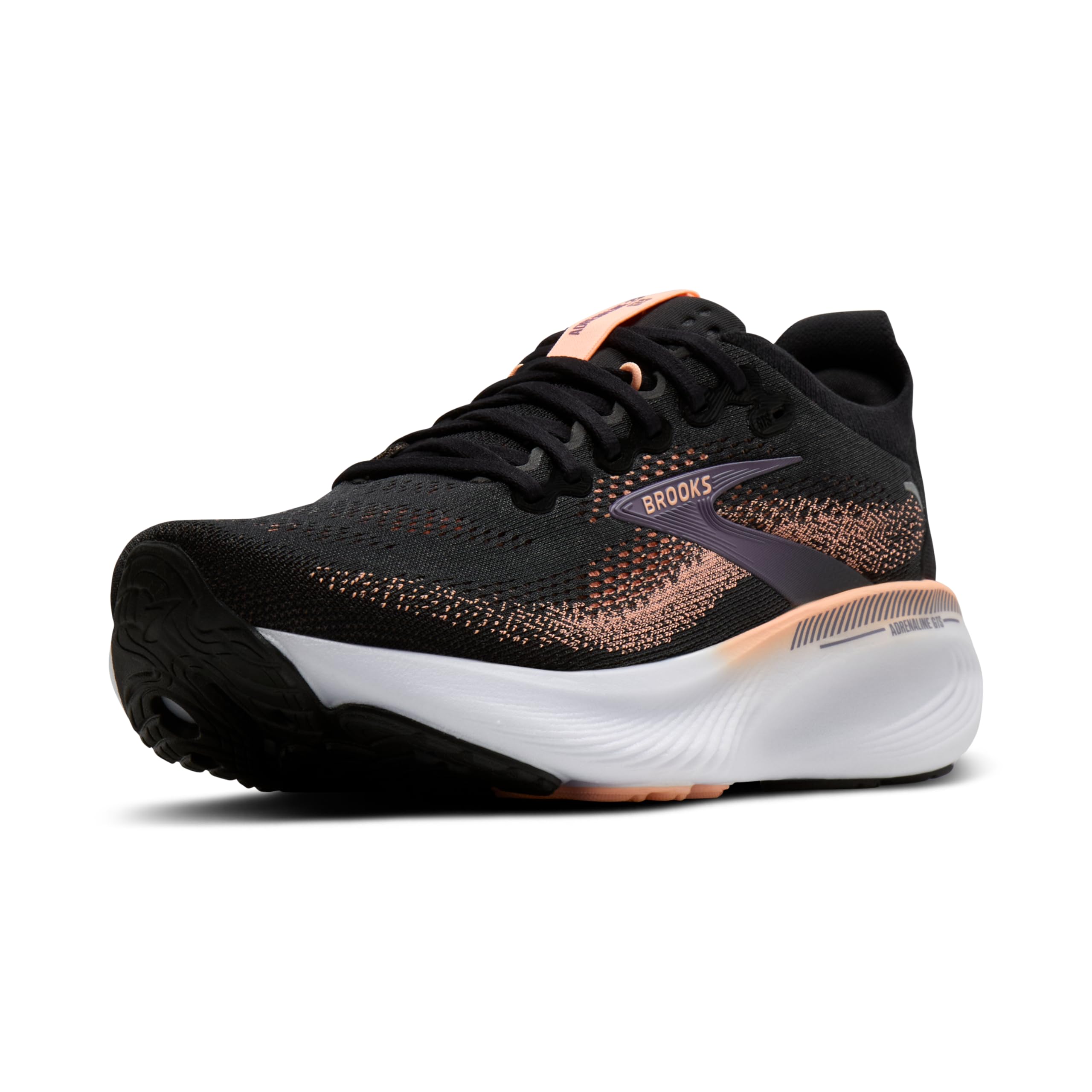
Brooks Adrenaline GTS 25

Brooks

Brooks Adrenaline GTS 25

  • Sizing Women's
  • Support Stability
  • Surface Road
Check Price on Amazon

More arch and heel structure for runners whose ankles and arches need help.

Where the Ghost stays out of the way, the Adrenaline GTS 25 puts more shoe under your arch and around your heel. You notice it at the end of a long day on your feet rather than in the first mile, which is the trade a support-oriented trainer is designed to make.

This is our pick for runners who want to feel held. The arch support is the standout — the ankle feels locked in rather than wobbly — and the toe box is genuinely roomy, which is unusual in a shoe with this much structure underneath. It's also the strongest option here for anyone managing plantar fasciitis or an angry Achilles.

The cost is a stiffer, more deliberate ride. There's no springy pop and no forget-you're-wearing-it lightness; the Adrenaline wants to be steered. If your legs are neutral and your runs are short, you're paying for structure you'll never use — but if your feet ache after a shift, that structure is the whole point.

Bottom Line

Buy the Adrenaline GTS 25 if you want your arches and ankles held through long days on your feet; it's the most supportive shoe in this guide.

Check Latest Price

Best For New runners

Our Score 8.8/10
New Balance Fresh Foam 520 V9

New Balance

New Balance Fresh Foam 520 V9

  • Sizing Women's
  • Midsole Fresh Foam
  • Surface Road
Check Price on Amazon

For an entry-level price you get Fresh Foam, New Balance's soft and slightly springy midsole foam, in a package that's comfortable from the first wear. It's the shoe we point newer runners toward when they want cushioning without spending premium money.

It's true to size, supportive enough through the arch for long days standing, and light enough that it doesn't drag on an easy run. Think of it as an everyday shoe that can run rather than a trainer that happens to be cheap, because that's how it behaves over the first few months.

The trade is the outsole. The tread wears quickly on pavement and the foam loses its bounce before the uppers give out, so this is a good first pair rather than a workhorse. If you're running serious weekly mileage, spend more; if you're building the habit, it's plenty.

Bottom Line

A soft, inexpensive first running shoe for newer runners, as long as you accept that the outsole won't last like a premium pair.

Check Latest Price

How We Tested 14 Pairs of Running Shoes

We started with roughly 60 current models and cut the list down using spec sheets, sizing charts, and a lot of customer reviews, dropping anything that came in only one width or that had a pattern of uppers tearing before 200 miles. We also made sure the final group spanned the price range, from budget daily trainers to a couple of splurges, so we could say plainly whether the extra money bought anything you'd actually feel underfoot.

Fourteen pairs went out to four testers for six months. Every shoe got at least three runs before we judged it: an easy shakeout, a tempo session on the treadmill, and a long weekend run of eight miles or more on pavement. We wore the same socks each time, tried shoes on late in the afternoon when feet are at their largest, and wrote down where the toe box pressed, where the heel slipped, and whether the arch felt like support or like a lump under the midfoot.

Durability was the slow part. We logged mileage on every pair, checked the outsoles at 50, 100, and 200 miles to see where the rubber was thinning, and noted whether the midsole still felt springy or had gone flat. We also ran each pair straight off wet pavement into a tiled lobby to see which ones squeaked, and judged appearance by whether anyone kept them on afterward. Price per mile got the final say on value.

How to Choose

Fit Comes Before Foam

Almost every running shoe problem starts with fit. You want a thumb's width between your longest toe and the front of the shoe, no pressure across the widest part of the forefoot, and a heel that stays put without being clamped. Measure your feet at the end of the day, when they're at their largest, and go up rather than down if you're between sizes.

Width matters as much as length. The Adrenaline GTS 25 and the Response Pace both run roomy through the forefoot, while the Assert 9 runs small and needs a half size up. Brooks builds several women's models in wide and extra-wide, which is the cleanest fix when a standard width pinches.

Decide How Much Cushioning You Want

Cushioning is a spectrum, not a ranking. At the soft end, the Novablast and the Skechers soak up a lot of impact and feel protective over long, slow miles, but you give up road feel. At the firm end, the Assert 9 sits closer to the ground and lets you sense the surface.

Most runners land in the middle, where the Ghost sits: enough foam to take the edge off without the shoe feeling vague. If your runs regularly go past an hour, lean softer; if you do speed work or lift in the same shoes, lean firmer.

Neutral or Support: Match the Shoe to Your Legs

Support shoes add structure through the midfoot and heel to slow the inward roll of the ankle. You don't need a gait analysis to choose. If you've dealt with plantar fasciitis, tendinitis, or ankles that feel wobbly late in a run, a support-oriented shoe like the Adrenaline GTS 25 is worth the extra structure.

If none of that sounds familiar, a neutral shoe is lighter and less intrusive and won't make your stride worse. The mistake to avoid is buying stability as insurance — you pay for structure you never use, and the shoe feels like it's steering you.

What Your Money Actually Buys

Price buys two things: foam quality and weight. The budget picks here get you a solid fit and adequate cushioning for short and moderate runs. Above that you're paying for lighter foams, better energy return, and uppers that keep their shape over a season.

What price does not reliably buy is durability. Wear is uneven at every level in this guide, and a premium shoe can flatten as fast as a cheap one. If you run most days, two pairs in rotation will last longer than one expensive pair used every single day.

Frequently Asked Questions

Final Verdict

The Ghost 17 is the pair we recommend to most runners because it does the unglamorous work — easy miles, long runs, the walk afterward — without asking you to change how you run. If you want more bounce underfoot, the Novablast 5 is the livelier shoe. If your arches or ankles need help, the Adrenaline GTS 25 earns its higher price.

And if the budget is the deciding factor, the Assert 9 is a genuinely good running shoe for the least commitment, as long as you order a half size up.