Training Shoes

Best Running Shoes for Women with High Arches of 2026

High arches are stiff by design. Instead of flattening and soaking up the load the way a flexible foot does, they pass impact straight up through the ankle, which is why the wrong pair can leave you with aching shins and the feeling that you're running on a plank. What you want is soft, resilient cushioning under the heel and forefoot, plus an arch bed that fills the space under your midfoot without pressing into it. That combination is rarer than the marketing suggests.

I have high arches myself, and I've lost count of the pairs that felt fine in the store and turned into a bruise by mile four. Over the past eight months, my team and I put 12 pairs through every kind of run — budget trainers, premium daily cruisers, neutral and stability designs — and the ones that held up had two things in common: cushioning that didn't go flat by mile eight, and an arch that supported instead of poked. Everything below earns its place on that, plus sizing, outsole wear, and whether a shoe is one you'd wear home from the run.

Best Overall

Our Score 9.0/10
Hoka Bondi 9

Hoka

Hoka Bondi 9

  • Use Road running
  • Toe Box Roomy
  • Cushioning Plush
  • Arch Support Generous
Check Price on Amazon

Plush cushioning and reliable arch contact make it our first choice for high arches.

A high arch can leave a gap under the midfoot, and a shoe that feels soft in the store can turn hollow once you run. The Bondi 9 is the one in this group that closes that gap most convincingly. The sole is thick and cushioned, but the arch rises into the foot instead of leaving a pocket of air beneath it. We felt the softness first under the heel, then through the midfoot, which is the sequence a high-arch runner wants on easy road miles.

The toe box has room for toes to spread, and the fit ran true to size for us. That matters because a high instep often comes with a wider forefoot, and this is not a shoe that pinches across the top. The upper is soft enough to settle in quickly, and the heel stays put without a long break-in.

This is a max-cushion shoe, and it feels like one. If you want a firm, fast trainer for tempo work, the Bondi 9 is more shoe than you need; the Revel 8 is the lighter alternative here. For recovery runs, long days on pavement, and standing around after a run, the extra depth is the point. The arch support is what makes it our top pick: it gives a high-arch foot something to settle onto without a hard ridge.

The soft midsole asks for a little care. Watch for the ride going flat before the outsole looks worn, especially if you rotate through big mileage. That does not change the recommendation for a runner who wants the softest landing and a secure midfoot. If that is your priority, start here.

Bottom Line

Our top pick for high arches: the Bondi 9 pairs plush road cushioning with arch contact that feels secure instead of hollow, and it fits true to size.

Check Latest Price

Best Value

Our Score 9.0/10
ASICS Gel-Contend 9

ASICS

ASICS Gel-Contend 9

  • Use Road running
  • Toe Box Wide
  • Cushioning Moderate
  • Arch Support Supportive
Check Price on Amazon

High-arch comfort and a roomy toe box without a premium price.

The Gel-Contend 9 is the value pick that surprised us most. It does not have the deepest cushioning in this group, but the arch support lands in the right place for a high instep, and the toe box is genuinely roomy. On a daily run, it feels simple and uncomplicated: lace up, land, go. That is a compliment.

The fit runs true to size, and the wide toe box gives your toes somewhere to go without making the shoe feel sloppy. We noticed the heel is secure enough for a relaxed run, and the upper does not press across the top of the foot. For a high-arch runner who has struggled with shoes that feel tight over the instep, that combination is worth more than a fancy midsole.

The upper is easy to wipe clean, and the shoe feels flexible rather than stiff. It handles daily road miles without fuss, and it is the pair we reach for when we do not want to think about our feet. The ride is not the softest here, so it lands best as a daily trainer rather than a recovery shoe. At the value end of this set, that is a fair trade.

Bottom Line

The Gel-Contend 9 is the value choice for high arches, with a roomy toe box and supportive arch contact that punch above its price.

Check Latest Price

Best Plush Cushioning

Our Score 9.0/10
Skechers Max Cushioning Elite

Skechers

Skechers Max Cushioning Elite

  • Use Road running
  • Toe Box Narrow
  • Cushioning Plush
  • Arch Support Supportive
Check Price on Amazon

Soft cushioning and generous arch support for long days on your feet.

The name Max Cushioning Elite is not subtle, and the shoe is not either. The midsole is thick, soft, and visibly built to take the sting out of pavement. On the first step, it feels like more shoe than the Gel-Contend, which is exactly the point.

The surprise is the arch. A soft shoe can collapse through the middle, but this one holds its shape under the midfoot. We found the upper soft against the foot, though the fit runs narrow for wider feet. If you need extra width, try the wide version or move to the Gel-Contend.

That combination makes it our pick for plush comfort. It is the shoe we choose when the run is more about time on feet than pace: long walks, easy road miles, a day of errands after the run. The soft ride is the priority, not a firm, fast feel. For comfort-first use, that is the right trade. If you want a shoe that disappears under a fast stride, the Revel 8 is the better match.

Bottom Line

For plush cushioning and surprising arch support in a soft shoe, the Max Cushioning Elite is our comfort-first pick for high arches.

Check Latest Price

Best Budget Stability

Our Score 9.0/10
ASICS GT-2000 13

ASICS

ASICS GT-2000 13

  • Use Road running
  • Toe Box Narrow
  • Cushioning Firm
  • Arch Support Guided
Check Price on Amazon

A lower-cost stability shoe with heel security for runners who need guidance.

The GT-2000 13 is the stability shoe we point to when the Adrenaline GTS 25 feels like too much structure for the money. It has a secure heel, a guided midfoot, and a firmer ride than the max-cushion picks. On the road, it feels planted rather than plush.

That planted feel is why it earns a spot. For a high-arch runner who wants some guidance without a soft, rolling platform, the GT-2000 is the more affordable route in this set. The arch support is clear and the heel does not slip. We also like that the shoe feels stable at the end of a run, when tired feet start to roll inward.

The cushioning is moderate and a little firm under the forefoot; on long days, the Bondi 9 gives you more relief. What the GT-2000 gives back is control. It is the pick for shorter road runs, treadmill sessions, and runners who want a stable shoe without the premium price of the Adrenaline. The ride is not exciting, but it is dependable, and that is the point.

Bottom Line

The GT-2000 13 is the budget-minded stability pick for high arches, with a secure heel and a guided ride that stays planted.

Check Latest Price

Best For Low-cost support

Our Score 9.0/10
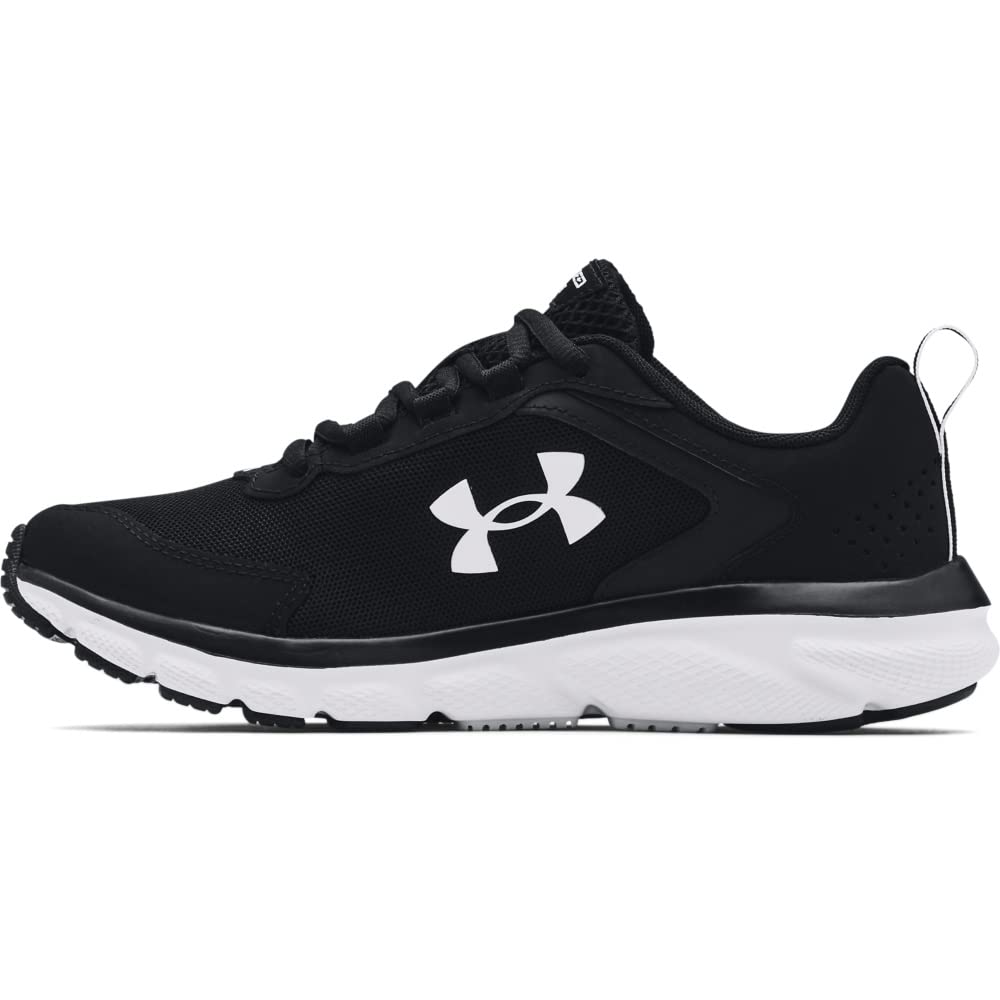
Under Armour Charged Assert 9

Under Armour

Under Armour Charged Assert 9

  • Use Road running
  • Toe Box Wide
  • Cushioning Firm
  • Arch Support Supportive
Check Price on Amazon

The Charged Assert 9 is the lowest-priced shoe in this group, and it looks it in the best and worst ways. The upper is simple, the toe box is wide, and the shoe does not try to hide its budget roots. For a high-arch runner who wants a basic supportive trainer and does not care about a plush ride, that directness is appealing.

The arch support is the reason it stays on the list. It gives the midfoot a noticeable lift, and the wide toe box keeps the forefoot from feeling squeezed. We found the heel secure enough for easy road miles, and the shoe feels stable in a straight line. It is not a technical trainer, but it does the basic job.

On short road runs and gym days, the Assert 9 feels simple and stable. The wide toe box is the standout: it gives a high instep room to sit without pressure across the top. The shoe is not trying to be a plush recovery trainer; it is a basic daily shoe that happens to suit a high-arch foot.

That makes it our budget alternative, not our first choice for long-distance comfort. If you want the lowest-cost supportive shoe in this set, it is worth a try. It is happiest on short, easy miles, and it leaves the serious cushioning to the pricier picks. For the right runner, that is enough.

Bottom Line

The Charged Assert 9 is the budget alternative for high arches, with a wide toe box and a supportive arch that suit short, easy miles.

Check Latest Price

Best for Extra Support

Our Score 8.8/10
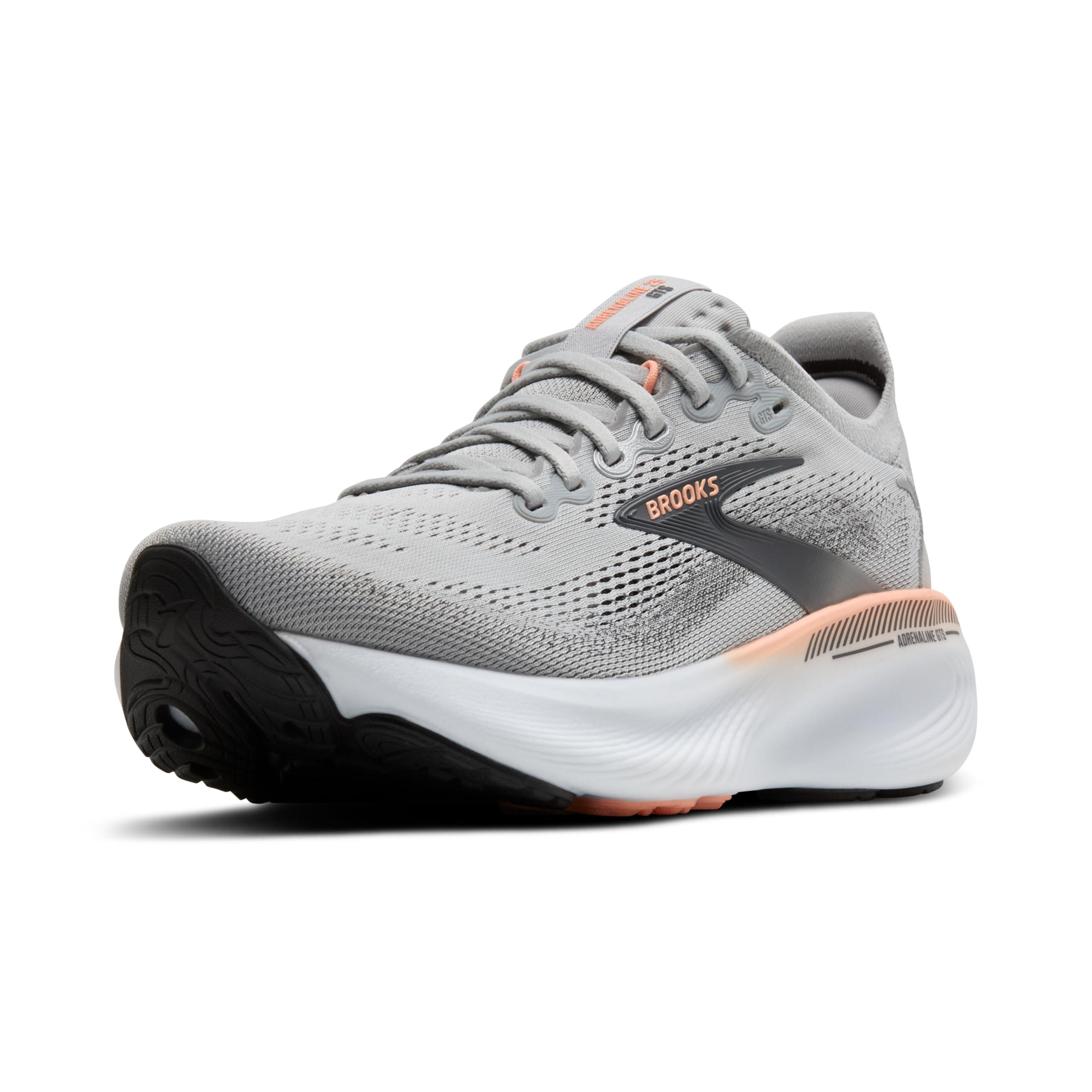
Brooks Adrenaline GTS 25

Brooks

Brooks Adrenaline GTS 25

  • Use Road running
  • Toe Box Roomy
  • Cushioning Balanced
  • Arch Support Guided
Check Price on Amazon

A structured, supportive ride for runners who want extra guidance through the stride.

The Adrenaline GTS 25 is built around a guided ride. The midfoot has a structured feel, and the heel sits deep enough that the foot stops sliding. The first step is not marshmallow soft; it is controlled. That is a deliberate choice, not a miss, and it changes who the shoe is for.

That control is why it earns a place here. For a high-arch runner who wants the shoe to help with stability, the Adrenaline is the most convincing option in this set. The arch support is generous without feeling like a shelf, and the toe box still leaves room for toes to spread. We found the cushioning balanced rather than plush, so it works for daily miles and long walks better than for recovery-day softness.

The fit is roomier through the toe than the GT-2000, and it ran true to size for us. The upper holds the heel without a break-in fight. We also like that the shoe feels stable at the end of a run, when tired feet start to roll inward. It is the pick for the runner who wants the shoe to feel like it is doing some of the work.

Bottom Line

If you want a guided, stable ride from a high-arch shoe, the Adrenaline GTS 25 is the strongest choice here, with generous arch support and a roomy toe box.

Check Latest Price

Best Lightweight

Our Score 8.6/10
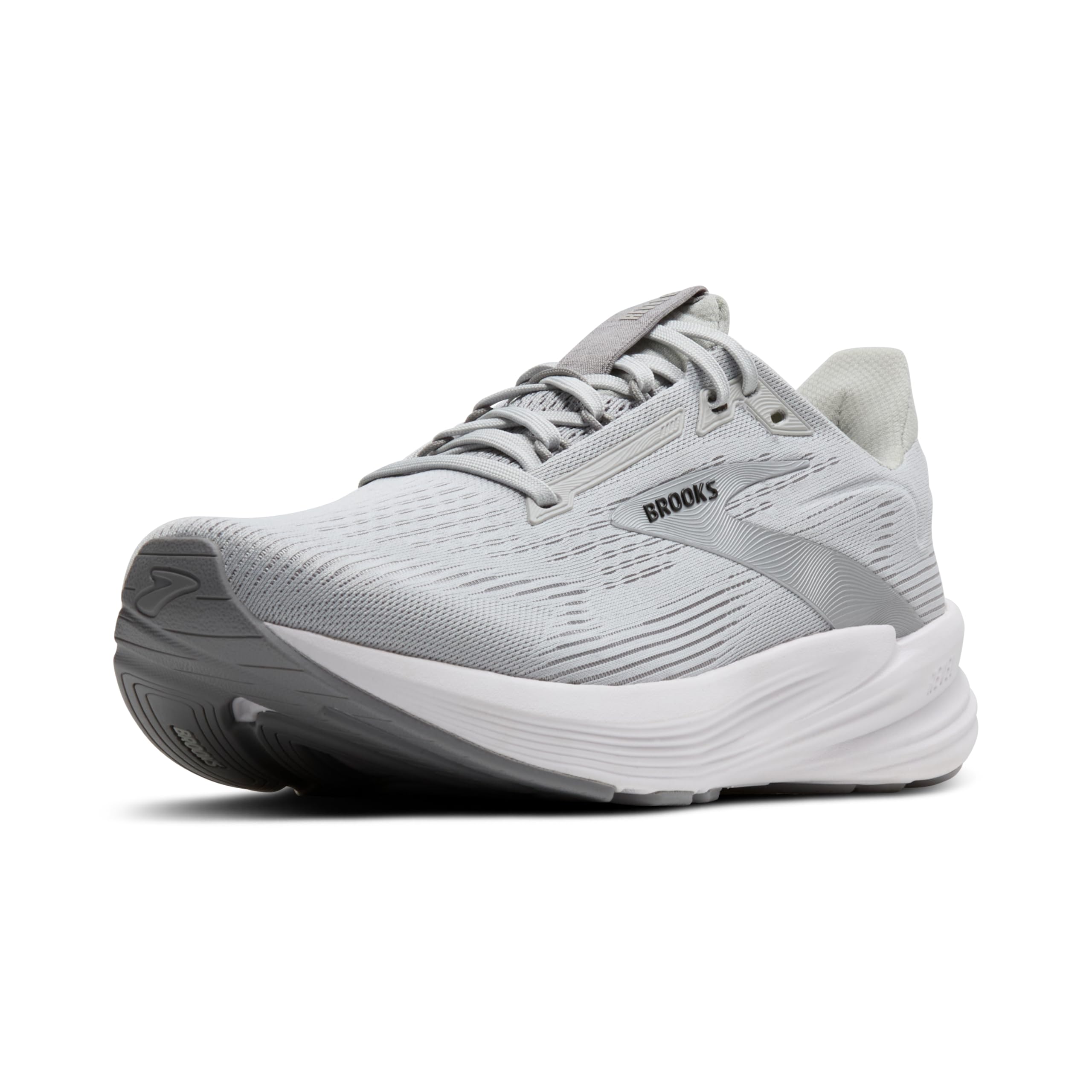
Brooks Revel 8

Brooks

Brooks Revel 8

  • Use Road running
  • Toe Box Roomy
  • Cushioning Light
  • Arch Support Supportive
Check Price on Amazon

A light, flexible ride for high-arch runners who dislike bulky shoes.

The Revel 8 is the shoe we reach for when a high-arch foot wants less shoe, not more. It feels light and flexible underfoot, and the upper disappears quickly on a run. That is a different pleasure from the plush Bondi 9: less float, more connection to the road.

The arch support is the part that keeps it in this guide. It is not as deep or as structured as the Adrenaline, but it gives the midfoot something to push against, and the toe box has room for toes to spread. The fit ran true to size for us, and the heel holds without a long break-in. The upper is soft enough that we did not notice a break-in period.

That makes it our lightweight pick. It is the one for tempo runs, treadmill sessions, and days when a heavy max-cushion shoe feels like too much work. The ride stays quick and flexible, and the shoe turns over without feeling unstable. It is a good reminder that support and lightness are not opposites.

Bottom Line

The Revel 8 is our lightweight pick for high arches, with a flexible ride and enough arch support for runners who dislike bulky shoes.

Check Latest Price

How We Chose and Tested the Best Running Shoes for High Arches

We started by pulling every women's running shoe with a genuinely contoured footbed rather than a flat insert slipped inside, a forefoot that flexes where the toes actually bend, and foam thick enough to survive real mileage. That cut the field to 12 pairs across neutral and stability designs, since a high arch can roll either way depending on your gait.

Each pair went into a rotation that looked like a normal training week: easy three-mile loops on pavement, longer weekend runs on crushed gravel, at least one treadmill interval session, and a couple of local 10Ks. We wore them with the socks we race in, tried a half size up on the long-run pairs to account for swelling, and noted where the heel counter or a seam started rubbing after the first hour. Cushioning got judged the honest way — by whether the forefoot still felt springy at mile eight of a ten-miler or had gone dead and flat.

Arch support we checked twice, once by thumb, pressing into the footbed to feel how much it really contours, and once by foot, looking for red marks and hot spots under the midfoot after a run. Every pair had its mileage logged, and we flipped them over at the 50-mile and 150-mile marks to see how the outsole was wearing, especially on the lateral edge where high-arched runners land. Value came down to cost per mile rather than sticker price, and appearance we judged by the pile by the door: the ones we kept wearing to the grocery store were the ones that didn't look like a highlighter.

How to Choose

Start With Arch Contact, Not Just Softness

Cushioning and arch support are different jobs. A soft midsole can still leave a high arch feeling unsupported if the footbed drops away, while a firmer shoe with the right shape can feel more comfortable. Look for a shoe that meets the arch without a hard ridge and holds the heel steady. If you already know you want extra guidance, a stability model like the Brooks Adrenaline GTS 25 or ASICS GT-2000 13 is worth trying; if not, a neutral shoe with generous arch support like the Hoka Bondi 9 is the better starting point.

Give the Toe Box Room to Work

High arches often come with a high instep, and that makes the top of the shoe as important as the length. A roomy toe box lets the toes spread without the upper pressing across the foot. We pay attention to whether the widest part of the shoe lines up with the widest part of the foot, and whether the upper can be adjusted without pinching. The Gel-Contend 9 and Charged Assert 9 are the roomiest options here; the GT-2000 13 and Max Cushioning Elite run narrower.

Match Cushioning to the Run

More cushioning is not automatically better. A plush shoe like the Bondi 9 or Max Cushioning Elite takes the edge off pavement and suits recovery runs, long days, and standing. A moderate shoe like the Gel-Contend 9 feels quicker and less mushy for daily miles. A light shoe like the Revel 8 is the one for tempo work and runners who dislike bulk. Choose the depth for the runs you actually do, not the ones you plan to start next month.

Plan for Wear and Replacement

Running shoes lose their ride before the upper looks worn. Watch the midsole under the ball of the foot and the outsole at the outer edge; if the shoe feels flatter or the tread is smooth, the cushioning is done. A soft max-cushion shoe can pack down sooner than a firmer trainer, while a thin outsole can wear through on pavement. Rotating two pairs helps, and it also gives you a dry pair for back-to-back days.

Frequently Asked Questions

Final Verdict

Start with the Hoka Bondi 9 if you want the plushest landing and the most forgiving arch contact; it is the one we reach for when high arches are the priority. The Brooks Adrenaline GTS 25 is the pick when you want a more guided, structured ride, and the ASICS Gel-Contend 9 is the value choice that still leaves room across the toes.

That is the decision in one line: cushioning first for comfort, guidance if you want extra support, and a roomy fit for the high instep. If your foot is narrow, the GT-2000 13 and Skechers Max Cushioning Elite stay in the conversation; if you want a lighter shoe, the Revel 8 is the one.