Nutrition & Supplements

Best Pea Protein Powder of 2026

Pea protein has a reputation problem. Say the words out loud and most people picture a chalky, earthy shake that settles like sand at the bottom of the glass—and maybe a stomachache an hour later. That reputation isn't unfair; plenty of tubs earn it. But the right pea protein powder solves a specific problem: it gives you a dairy-free, soy-free protein boost that actually mixes smooth, tastes neutral enough to hide in a smoothie, and doesn't leave you bloated before lunch.

I've been rotating pea protein into my morning smoothies for years, but my team just spent three months putting 14 tubs through real life—blending them with frozen bananas, shaking them in water bottles, baking them into muffins, and paying attention to how we felt afterward. The biggest surprise was how much protein content per scoop varies, and how little the highest number on the label predicted whether we'd actually finish the tub. Value, we learned, comes down to cost per gram of protein you'll drink, not the sticker price. The picks below are the ones that earned a permanent spot on my counter.

Best Value

Our Score 8.8/10
Anthony's Premium Pea Protein

Anthony's

Anthony's Premium Pea Protein

  • Ingredients Pea protein isolate
  • Container Size 2 lb
  • Added Sweeteners None
  • Protein Per Tablespoon 0.28 oz
Check Price on Amazon

Plain pea isolate at a budget price and the best-liked of the cheap bags.

Eight grams of protein per tablespoon is either a nuisance or the most convenient thing in the bag, depending on how you measure. We ended up liking it: a spoon stirs into oatmeal or muffin batter faster than a scoop of anything, and you can dial the dose without digging for plastic. Anthony's is the value pick of the group, a two-pound bag of plain isolate at the low end of the price range, and the budget bag we minded least on flavor.

The panel is what we want from a cheap powder: pea protein isolate and nothing else, batch tested for gluten, unsweetened and unflavored, so it behaves like an ingredient rather than a drink mix. We stirred it into muffin batter and into oatmeal as readily as we blended it into smoothies, and it thickens without the faint chemical sweetness that flavored powders leave behind.

On taste and texture it lands mid-pack against the rest of these, mild and slightly savory in a blender with almond milk and a banana, plainer in water on its own. For the money that's a fair trade, and it's the bag we point people toward when the protein is going into food rather than into a glass.

Bottom Line

Our value pick: nothing but pea protein isolate, easy to dose by the tablespoon, and the best-liked of the budget bags here.

Check Latest Price

Best For First-time small bag

Our Score 8.8/10
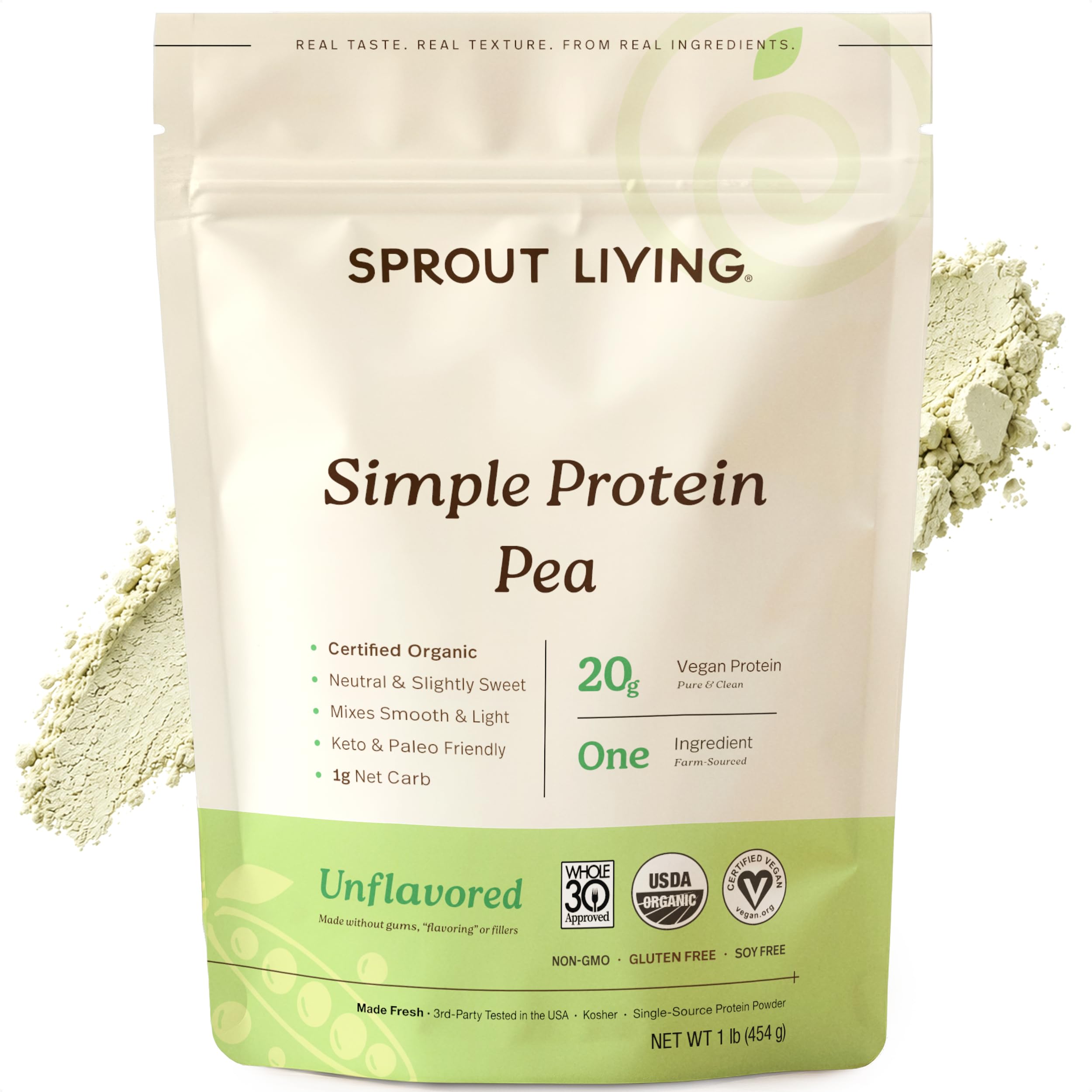
Sprout Living Organic Pea Protein

Sprout Living

Sprout Living Organic Pea Protein

  • Certification USDA Organic
  • Container Size 1 lb
  • Protein Per Serving 0.71 oz
  • Servings Per Container 19
Check Price on Amazon

One pound, nineteen servings. That's the case for this bag before anything else: it's the smallest commitment here and the sensible way to find out whether you actually like unflavored pea protein before buying five pounds of it.

What's inside justifies the small format. USDA organic, made in the US from North American yellow peas, one ingredient, no sweetener or flavoring, 20 grams of protein a serving with a complete amino acid profile. The panel is the shortest in this group, and it stirs into oats without leaving the film that most powders leave on the glass.

Twenty grams a serving sits at the low end of this group, and nineteen servings go quickly at a shake a day, roughly three weeks of breakfasts before you're reordering. That's the cost of the trial size: you learn fast and you come back sooner.

We think of it as a tester that happens to be good enough to keep buying. It's organic, mild, and easy to live with, and there's something to be said for finding out in three weeks rather than three months whether unflavored pea protein is for you.

Bottom Line

A good first bag if you're new to pea protein and want organic without committing to five pounds: mild, clean, and the priciest per pound here.

Check Latest Price

Best Mild Flavor

Our Score 8.6/10
NorCal Organic Pea Protein

NorCal

NorCal Organic Pea Protein

  • BCAAs 0.17 oz
  • Container Size 2 lb
  • Protein Per Serving 0.78 oz
  • Servings Per Container 35
Check Price on Amazon

The mildest flavor in the group, with organic Canadian peas and 22 grams of protein.

Flavor is the reason to pay attention to this one. Unflavored pea protein usually tells you exactly what it is, a grassy, earthy note that survives a banana and a spoon of cocoa, and NorCal is the powder in this group that stays quietest in the glass. We noticed it most in oat milk, where there's nothing much to hide behind.

We keep it for the mornings when we want protein without a flavor decision, and it's the one to hand someone who insists they can't stand pea protein. What's in the bag is an organic yellow pea isolate grown in Canada and processed in the States, one ingredient, no fillers or sugars, at 22 grams of protein and 4.8 grams of BCAAs a serving. Thirty-five servings to the two-pound bag, and it goes into suspension with a hand shaker instead of leaving the grit slick that settles out of the heavier powders here.

The trade is protein per scoop: 22 grams is modest next to Naked Pea's 27 and SOLO's 30, which matters if you're counting on one scoop to close a gap. What you're buying instead is the mildest flavor here and peas you can trace to Canadian farms, a fair swap if you drink your shakes plain and a poor one if they're always buried in fruit and peanut butter.

Bottom Line

We buy this one when flavor is what stops a shake getting finished; it's the mildest, most mixable powder here, and the premium is what you pay for that.

Check Latest Price

Best High-Protein

Our Score 8.6/10
SOLO Organic Pea Protein

SOLO

SOLO Organic Pea Protein

  • BCAAs 0.19 oz
  • Container Size 2.7 lb
  • Protein Source Organic Canadian peas
  • Protein Per Serving 1.06 oz
Check Price on Amazon

The most protein per scoop here, from organic peas, with a low sodium figure.

Thirty grams of protein in a scoop is the highest figure in this group, and SOLO gets there with a low-sodium extraction, processing the peas without the salt solutions most pea protein makers rely on. We put it at the top of this set for anyone building a high-protein day around a sodium limit, and near the top for anyone who simply wants the most protein they can get in one scoop.

The peas are organic and grown in Canada, the panel is one ingredient, and the label claims a complete amino acid profile with 5.5 grams of BCAAs, plus iron and calcium worth having. At 2.7 pounds it's a bigger bag than the two-pound standard without crossing into bulk territory.

Texture is where it gives ground. This is one of the grittier powders here and it needs a blender plus something with body, yogurt or frozen fruit, to keep the sandiness out of the last third of the glass; shaken with water it's a chore. If the sodium figure or the 30-gram scoop is why you're reading, that's a trade worth making, but go in knowing it.

Bottom Line

The pick for anyone tracking sodium or chasing the biggest protein number per scoop; budget for a blender and a little more per pound.

Check Latest Price

Best Organic Bulk

Our Score 8.6/10
Nutricost Organic Pea Protein

Nutricost

Nutricost Organic Pea Protein

  • Testing Third-party tested
  • Certification USDA Organic
  • Container Size 5 lb
  • Protein Per Serving 0.71 oz
Check Price on Amazon

Five pounds of certified organic pea protein with third-party testing, at a bulk per-pound price.

Organic certification usually costs you, and the five-pound bags that make pea protein affordable usually skip it. Nutricost does both: USDA organic, third-party tested, made in a GMP-compliant facility, and priced per pound close enough to the conventional bags in this group that the certification stops being a luxury.

Twenty grams of protein per scoop, with the scoop in the tub, which sounds trivial until you've spent a month guessing at tablespoons. The powder is a fine, dusty isolate that needs a blender or a shaker with a wire ball behind it; a spoon and a glass will leave you chewing.

Here's the honest trade: of everything we blended, this is the one that most insistently tastes like peas, and no amount of banana covers it entirely. In a strong smoothie or a savory dish it recedes into the background; drunk plain with water it's a chore. Go in knowing which of those is your habit.

What earns it a place is the pairing nobody else here offers, organic certification and independent testing on the same label, plus a bulk price. Five pounds only makes sense if you already know you'll finish it.

Bottom Line

Buy it when certified organic and third-party testing matter more than flavor; this is the cheapest way here to get both, and the powder tastes frankly of peas.

Check Latest Price

Best For Everyday shakes

Our Score 8.6/10
Micro Ingredients Pea Protein

Micro

Micro Ingredients Pea Protein

  • Scoop Included
  • Container Size 2.2 lb
  • Protein Source Organic North American peas
  • Protein Per Serving 0.95 oz
Check Price on Amazon

A scoop in the bag shouldn't be worth mentioning, and after a month of measuring another brand by the tablespoon we noticed it. Micro Ingredients includes one, and it matters more here than usual, because 27 grams of protein a serving puts this powder near the top of the group for protein density.

The peas are organic and grown in North America, with no fillers, preservatives, or added flavors, and 2.2 pounds is a workable middle size, bigger than the trial bags and smaller than the bulk pails.

It matches Naked Pea's 27 grams of protein a scoop in less than half the powder, and beats every other bag here on that number except SOLO, all at a mid-range price. For a powder you're going to keep on the counter, that arithmetic is the appeal.

We kept it in the rotation after the first bag, which is more than we can say for powders that made better promises on the label. It isn't the mildest or the cheapest, but it's the easiest one to justify: organic, dense, and sized to finish.

Bottom Line

A strong everyday choice for near-top protein density without a five-pound commitment; blend it rather than stir it and it earns its place.

Check Latest Price

Best Overall

Our Score 8.4/10
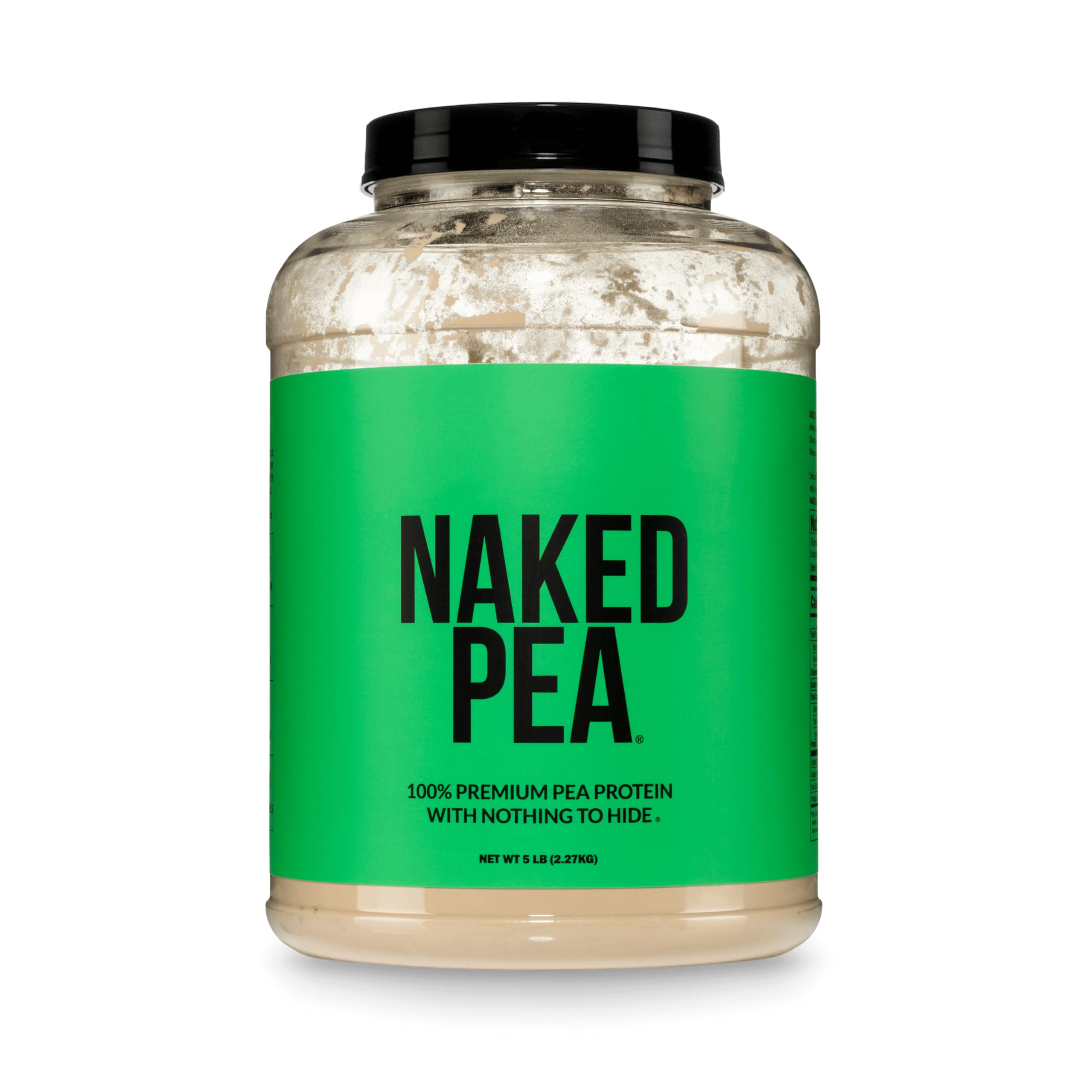
Naked Pea Protein

Naked

Naked Pea Protein

  • Certification NSF Certified
  • Container Size 5 lb
  • Protein Per Serving 0.95 oz
  • Servings Per Container 76
Check Price on Amazon

27 grams of protein a serving, NSF certified, and the lowest price per pound here.

Twenty-seven grams of protein in a single scoop is the number that won us over. Only one powder here goes higher, and it gets there with a grittier texture we noticed in the first glass. Naked Pea also carries NSF certification, which nothing else in this group does, and that counts for something if you want an outside body to have signed off on what's in the tub before you drink it five mornings a week.

The ingredient list is one line long: yellow pea protein from North American farms, with no sweetener, gum, or flavoring. That's what makes it useful rather than merely tolerable. We blended it with frozen fruit and oat milk and got a shake that tasted of the fruit, and we could add a date or a spoon of honey when we wanted sweetness instead of accepting whatever a flavor house decided on.

Texture is where pea protein separates the patient from the impatient, and this one wants a real blender. Shaken into water it turns chalky and the earthy note comes forward; thirty seconds in a blender with something cold and thick and it goes smooth and stays there. The five-pound bag holds 76 servings, about two and a half months of daily shakes, at the lowest price per pound in this group.

The catch is the commitment. Five pounds is a long time to live with a decision if you've never had unflavored pea protein before, and buying small first costs you more per serving. Anyone who already knows the routine, or who splits a bag with a training partner, gets a powder that stops tasting like a compromise the moment it's blended.

Bottom Line

If you want one bag that covers months of shakes at the lowest price per pound here, this is the one we recommend, provided you own a blender.

Check Latest Price

Best for Cooking and Baking

Our Score 8.2/10
NOW Sports Pea Protein

NOW

NOW Sports Pea Protein

  • BCAAs 4,200 mg
  • Container Size 2 lb
  • Quality Assurance NPA A-rated GMP
  • Protein Per Serving 0.85 oz
Check Price on Amazon

Best in soups and batters, with 24 grams of protein on a budget.

Most pea protein gets bought for a shaker bottle. This one earns its keep in a saucepan: it thickens soups and sauces without the chalky film other powders leave when they hit heat, and it disappears into pancake batter and protein bars without a fight. If you cook with your protein rather than drink it, that's the whole argument.

The numbers are solid for the money, 24 grams of protein a scoop with over 4,200 milligrams of BCAAs and over 2,000 milligrams of arginine from a non-GMO pea isolate, and NPA A-rated GMP certification behind the manufacturing.

What keeps it out of the top spot is the taste. The pea note sits closer to the surface here than it does with Naked Pea or NorCal, even under banana and cocoa, and it's the reason we stopped drinking it plain. In a minestrone or a tray of savory muffins that same earthiness reads as depth rather than as a fault, which is the whole case for keeping a bag of it around.

Bottom Line

We keep this one for the kitchen rather than the gym bag: it holds together in soups, sauces, and batters where thinner powders turn chalky.

Check Latest Price

How We Tested Pea Protein Powder

We started by reading labels and comparing the basics: protein per scoop, serving size, added sugars, gums, and fillers, plus the cost per gram of protein rather than the price per tub. We filtered out anything that leaned on proprietary blends or skipped third-party testing, then narrowed the field to 14 containers from brands we could actually buy and re-buy.

Over three months, we used each powder the way people actually do: a banana-spinach smoothie most mornings, a shaker bottle with plain water after workouts, and a few weekend baking experiments with oat flour and muffins. We also stirred a scoop into overnight oats and tried each one plain in water so we could taste it without fruit or sweetener hiding the flavor.

We noted whether the powder clumped at the bottom of a shaker or needed a ball and extra shakes, and whether the texture stayed gritty or turned smooth in the blender. Taste got a plain-water test and a smoothie test—earthy, beany, too sweet, or neutral—and we logged any aftertaste. Digestibility was tracked in a shared spreadsheet: bloating, gas, or stomach cramps in the hours after drinking, plus how full we felt and how long that satiety lasted. Finally, we calculated cost per gram of protein for every tub, because a cheap powder you dread drinking is no bargain.

How to Choose

Compare Protein per Scoop, Not per Bag

Protein per serving across these powders runs from 20 grams to 30 grams, and a scoop is not a fixed unit, so 20 grams of protein can mean more powder than 30 grams from a different bag. The figure that decides what you spend is servings per container: Naked Pea's five-pound bag holds 76, Sprout Living's one-pound bag holds 19. Divide what you pay by the servings rather than the pounds and a cheap bag can turn out to be the expensive one.

If you drink a shake most days, buy for the month. If you're still working out whether you like pea protein at all, buy the small bag and accept the worse per-serving math.

Unflavored Doesn't Mean Flavorless

Every powder here is unsweetened and unflavored, which means no added flavor, not no taste. Pea protein carries an earthy, faintly grassy note, and how much of it reaches your tongue depends on the isolate and on what you blend it with. In a smoothie with frozen fruit and milk, the gap between the mildest and the strongest is small. In water or a plain shake, it is the whole experience.

Drink your protein plain and it's worth paying for the mildest powder in the group. Always bury it in fruit and nut butter and you can put that money into protein per scoop instead.

Plan Your Equipment Around the Powder

Pea protein isolate is fine and thirsty, and it wants to clump. A shaker bottle with a wire ball handles most of these powders for a water-based drink; a blender handles all of them and costs you thirty seconds of washing up. Either way, liquid in first and powder after cuts the lumps.

If you plan to cook with your protein, in sauces, soups, or batters, choose for how it behaves in heat rather than how it behaves in a bottle. Powders that thin out and turn chalky in a saucepan are wasted on savory cooking.

Know What the Certifications Cover

USDA Organic tells you how the peas were grown and says nothing about how much protein lands in the scoop. Third-party testing and GMP certification speak to the manufacturing side, that the powder was checked and made under an audited process. NSF certification is the mark to look for if you're a tested athlete or you simply want an outside body to have reviewed the product.

None of these logos make a powder mix better or taste milder, so don't let one decide the purchase on its own. Match the certification to the reason you're buying.

Size the Bag to Your Habit

A five-pound bag is roughly two and a half months of daily shakes at one scoop, and it's a lot of powder to keep on the shelf if you turn out not to like it. Two pounds is the sensible standard; one pound is a trial.

Buy small first if you've never had unflavored pea protein, and buy bulk once the routine has stuck. The per-pound saving is real, but only on powder you finish.

Frequently Asked Questions

Final Verdict

The bag we keep buying is Naked Pea: 27 grams of protein a serving, one ingredient, NSF certified, and the lowest price per pound in this group. Own a blender and it's the default; shake it with water and the texture turns against you.

If flavor is what keeps defeating you, NorCal Organic is worth the premium, mildest in the group and the easiest to lose in a smoothie. If you want organic and a small first bag, start with Sprout Living.