Training Shoes

Best Running Shoes for Men, Tested of 2026

I used to think running shoes were running shoes—until a cheap pair left me with black toenails after a half marathon. A good pair isn't about looking fast; it's about finishing a run without thinking about your feet. They should cradle your arch, hold your heel steady, and still feel comfortable at mile ten. The problem is that fit is personal—a shoe that works for your buddy's flat feet may torture your high arches.

Over the past six months, we logged miles in 12 pairs of men's running shoes—on roads, treadmills, and the occasional muddy trail—to find the ones that earn their price. We noted whether the arch support matched different foot types, how sizing compared to your usual sneakers, and how the outsole held up after 50 miles. Appearance and value mattered too—we wanted shoes you'd actually wear and feel good about buying. The picks below survived without hot spots, premature wear, or a weird break-in period.

Best Overall

Our Score 9.2/10
Brooks Glycerin 22

Brooks

Brooks Glycerin 22

  • Sizing Runs small for some
  • Support Neutral
  • Cushioning Plush and soft
Check Price on Amazon

Plush neutral cushioning that stays supportive, at a mid-range price.

Brooks has put a premium neutral trainer on the shelf at something close to mid-range money here, and that's where the Glycerin 22 earns the top of this list. The cushioning is deep and soft under the heel, but the forefoot still gives something back, so easy miles feel protected rather than sluggish. Of everything we ran in for this guide, it's the pair we recommend first when someone asks what to buy.

The comparison that matters is with the Novablast 5. That shoe is bouncier and more entertaining; the Glycerin is calmer, and on a tired day calmer is what you want. It also sits more predictably through the heel on turns than the softer, taller shoes here, which is the difference between a shoe you trust at mile eight and one you're managing.

Fit is the one thing to sort out before you order. The upper holds the midfoot closely and the toe box doesn't give much, so if you're between sizes, have a wide forefoot, or wear thick socks through winter, take the half size up. Otherwise your usual size should work.

What convinced us over weeks rather than miles is that the foam kept feeling like foam. We came back to it for the long, slow stuff and never got that compressed, dead sensation soft shoes sometimes develop. It isn't the shoe for a springy tempo session, and it doesn't pretend to be — as the pair that does most of your running, it's hard to beat.

Bottom Line

Our default pick for most men's daily miles: the Glycerin 22 delivers premium neutral cushioning and a settled ride at mid-range money, and it suits almost any run you throw at it.

Check Latest Price

Best for Long Easy Runs

Our Score 9.2/10
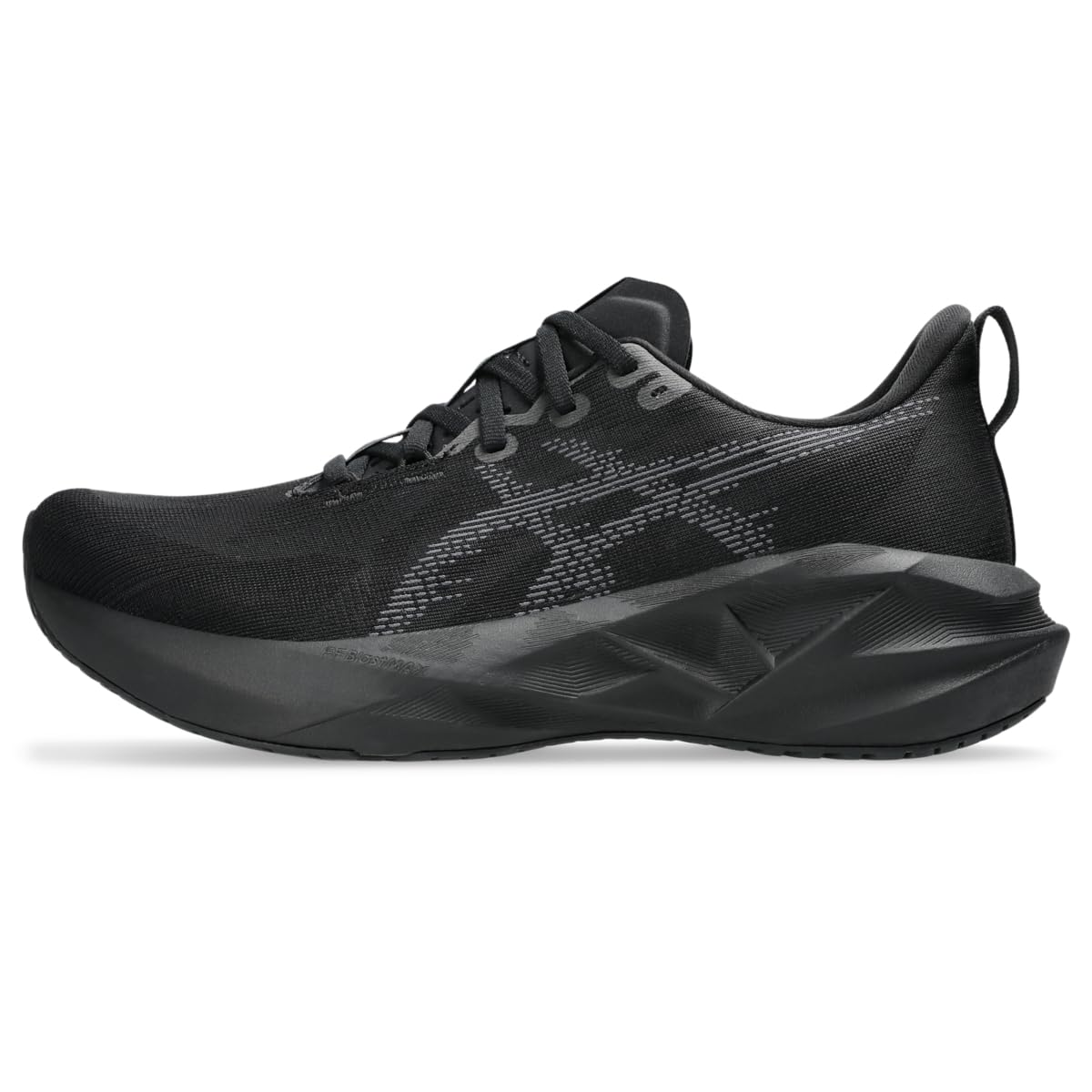
ASICS Novablast 5

ASICS

ASICS Novablast 5

  • Sizing True to size
  • Toe Box Wider than version 4
  • Cushioning Bouncy and very soft
Check Price on Amazon

A bouncy, energetic ride that makes long easy runs feel lighter.

There's a springiness to the Novablast 5 that's hard to describe without sounding like a shoe commercial: the foam compresses and then hands the energy back, and an easy run ends up feeling quicker than the effort you put in. It's the liveliest shoe in this set, and the one we reach for when the plan calls for easy and we want it to be fun.

It's also lighter than the amount of foam suggests, which matters after the first hour. Long runs felt protected without the sense of dragging a platform around, and the heel collar is shaped to avoid the rubbing that new shoes often cause — no blister tape on the first few outings.

The fit won us over too. This generation is noticeably roomier through the toe box than the version before it, which is good news if your last pair of ASICS pinched your little toe, and a reason to size down if you liked a snug, locked-in upper. For cushioning that feels alive rather than merely soft, it's the best shoe here.

Where it gives ground to the Glycerin is composure. Late in a long run, when form starts to go, the softer, bouncier platform is less settled underfoot. That's the trade, and for most easy days it's one worth making.

Bottom Line

We reach for the Novablast 5 when we want a long easy run to feel light and springy, and we accept that its foam won't last like the Brooks.

Check Latest Price

Best Value

Our Score 9.2/10
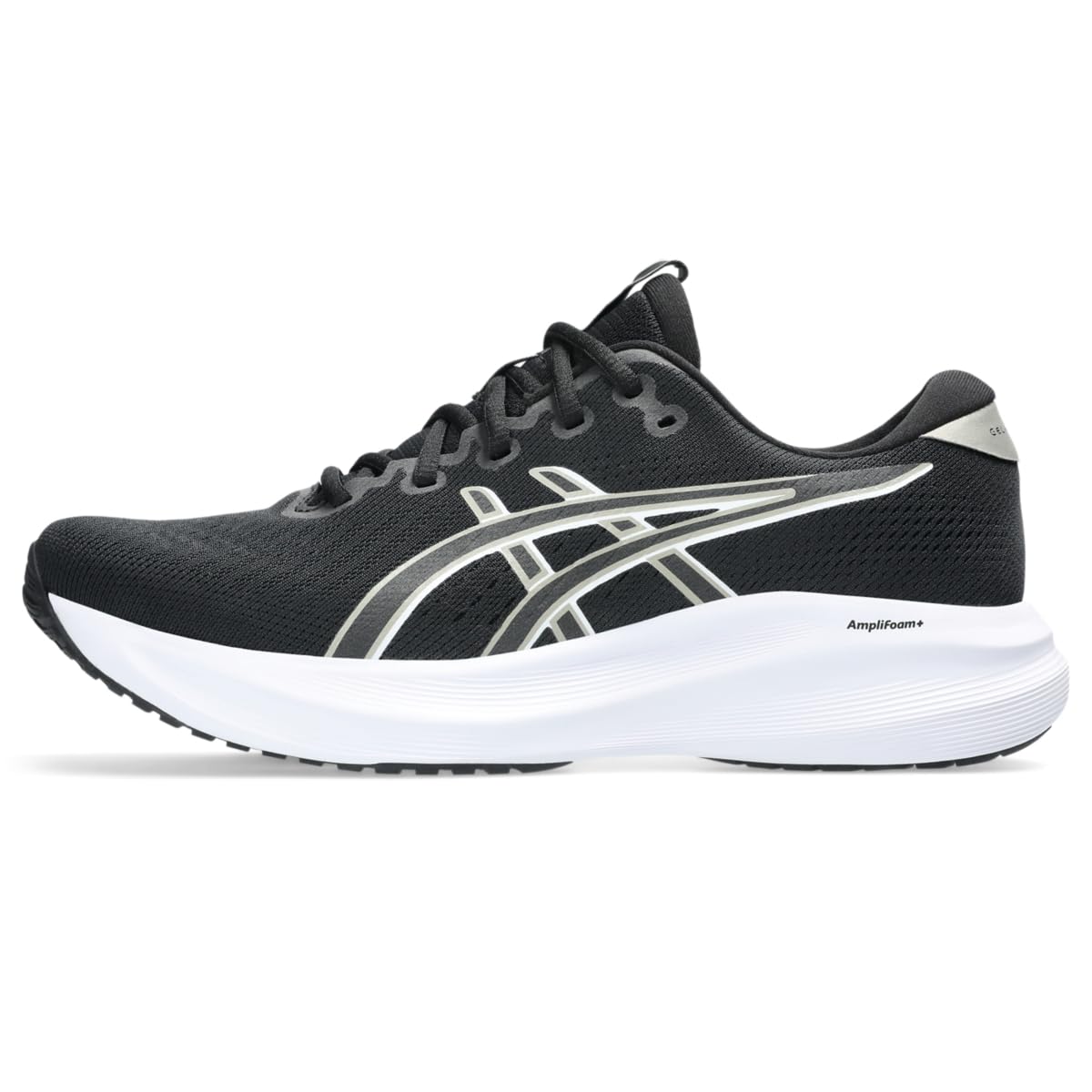
ASICS Gel-Excite 11

ASICS

ASICS Gel-Excite 11

  • Sizing Runs small for some
  • Widths Wide and extra-wide
  • Cushioning Soft and steady
Check Price on Amazon

Cushioned, supportive, and comfortable from the first run for a lot less.

Nothing about the Gel-Excite 11 is exciting, and that's exactly why it's on this list. It's the shoe that asks the least of you: no break-in, no adjustment period, no compromise to manage. Put it on and run.

The basics are what it gets right. Cushioning is soft enough for daily miles without going mushy, the arch support is genuinely there rather than implied, and the upper holds the foot without pressure points. For a shoe near the bottom of the mid-range, we think that's the best value in this guide.

This generation is also roomier than earlier Excite models, and it comes in wide and extra-wide fittings, which is worth knowing if you've been squeezing into a standard width. Sizing is the wrinkle: it runs small for a fair number of feet, so a half size up is the safer call, particularly if your long runs happen in warm weather.

The ceiling is real, though. This is a steady shoe rather than a lively one, and it won't make a fast day feel faster. As a first proper running shoe, or the pair you keep for easy days and bad weather, that's a fair trade to make.

Bottom Line

We think this is the smartest value here: cushioned, supportive, and comfortable from the first run, with wide fittings and no break-in.

Check Latest Price

Best Budget

Our Score 9.2/10
adidas Run Falcon 5

adidas

adidas Run Falcon 5

  • Sizing True to size
  • Toe Box Wide
  • Cushioning Light cushioning
Check Price on Amazon

Light, roomy, and cheap enough to replace without wincing.

The Run Falcon 5 is the cheapest shoe in this set, and it's where we point a new runner who isn't ready to spend much. It's light, it's comfortable straight out of the box, and the toe box is generous enough that a wide forefoot doesn't feel pinched — three things budget shoes often get wrong.

For short, steady miles it does everything you need. On pavement and concrete it felt fine: not plush, not harsh, with enough underfoot to take the edge off. It's the kind of shoe that disappears on your foot, which is the highest compliment a cheap trainer can earn.

The factory insole is thin, and swapping in a better one costs little and makes the shoe feel considerably more substantial; it's the best upgrade available at this price. Beyond that, keep these for runs under an hour and they'll hold their side of the bargain.

They also look better than the price suggests. The plain black colorway is tidy enough for the office and clean enough that you won't feel like you're wearing gym shoes to dinner, which is not a small thing when one pair has to do everything.

Bottom Line

If the budget is the whole decision, we point you here: light, comfortable, and roomy enough for wide feet, with a firm limit on how many miles it will take.

Check Latest Price

Best For Short easy runs

Our Score 9.2/10
Nike Run Defy

Nike

Nike Run Defy

  • Upper Breathable
  • Sizing Runs small and narrow
  • Cushioning Lightly cushioned
Check Price on Amazon

Set the Run Defy next to the Glycerin or the Novablast and it feels like a much simpler shoe — less foam, less shaping, less of everything. That's not a criticism at this price; it's an honest description of what you're buying, and for a lot of runners it's enough.

What it does have is lightness and airflow. The upper breathes well, our feet stayed dry on warm afternoons, and there's enough cushioning under the heel for a few easy miles. Nothing about it feels cheap, which is not something you can say about every shoe at this end of the market.

Sizing is the headline. It runs small and narrow, and it's the shoe in this set most likely to send you back to the returns page — go up half a size, and if you have a wide foot, look at the Brooks or the New Balance instead. The laces are also cut short, a small thing until you're tying them in the dark.

We treat the Run Defy as a short-run and gym-bag shoe, and at that job it's easy to like: light, breathable, and cheap enough that you don't wince when it rains. It's not the pair we choose for a half-marathon block, because the cushioning runs out well before the miles do.

Bottom Line

We treat this as a light, breathable short-run shoe that's easy on the wallet: order a half size up and don't ask it for long distances.

Check Latest Price

Best For Everyday training

Our Score 9.2/10
Under Armour Charged Assert 9

Under Armour

Under Armour Charged Assert 9

  • Sizing Runs small
  • Widths Wide fitting available
  • Cushioning Moderate and firm
Check Price on Amazon

Start with the size, because it's what trips people up: the Charged Assert 9 runs small and narrow through the midfoot. If you're between sizes, or you have a wide foot, order up — and take the wide fitting if your usual width pinches.

Get past that and it's a lot of shoe for the least money here. It's light, the arch support is real rather than decorative, and the upper holds the foot securely without a break-in period. It's also been around long enough that the long-term picture is clear: this is a shoe that survives daily wear.

We suggest it to anyone who wants one cheap pair for everything — short runs, the gym, errands on the weekend — and we take it over a fashion sneaker without hesitating. What it isn't is plush. The cushioning is moderate and closer to firm than soft, and on longer efforts you feel the road more than you do in the Brooks picks.

That firmness is also why it stays stable when your form goes and why the outsole holds up. If you want a soft landing, spend more; if you want a dependable, inexpensive shoe that does a bit of everything, this is the one.

Bottom Line

We suggest the Charged Assert 9 to anyone who wants one inexpensive pair for short runs, the gym, and everything else — size up and don't expect plush.

Check Latest Price

Best for Stability

Our Score 9.0/10
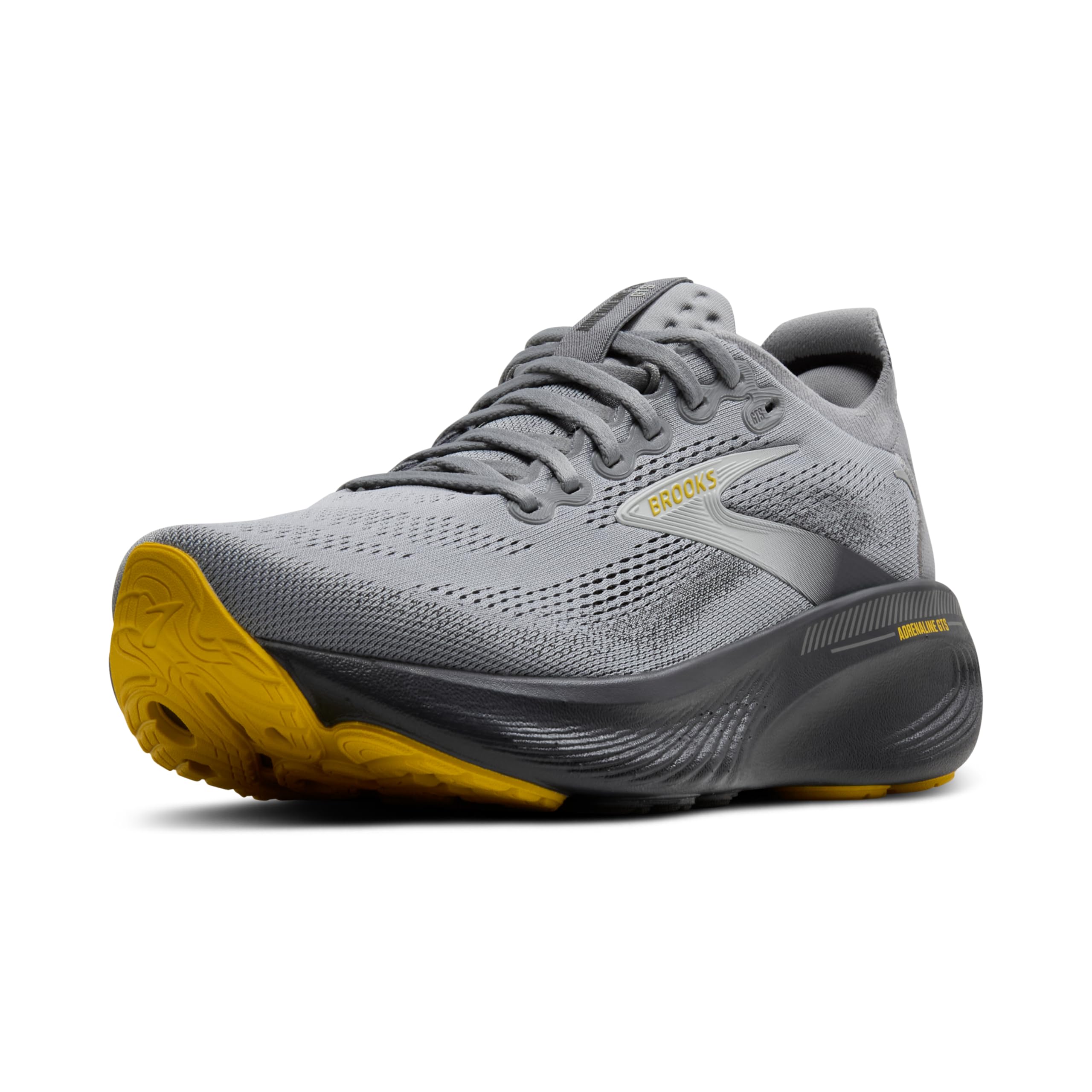
Brooks Adrenaline GTS 25

Brooks

Brooks Adrenaline GTS 25

  • Widths Wide sizes available
  • Support Stability
  • Cushioning Soft and wrapped
Check Price on Amazon

Steady guidance underfoot, soft cushioning, and wide sizes for bigger feet.

Some runners want a shoe that stays out of the way; this one is for the runner who wants the opposite, a platform that quietly organizes the foot from heel strike to toe-off. The Adrenaline GTS 25 is the support-focused option in this set, and it's the one we hand to anyone who has been told they overpronate, or who simply feels better with something under the arch.

What we appreciated most is that the guidance doesn't come with a harsh ride. The cushioning is genuinely soft, the heel collar wraps without squeezing, and the arch support is the part that holds up over a long day on your feet rather than fading after an hour. Support shoes often feel like a compromise; this one doesn't.

It's also the easiest shoe here to fit properly. Brooks offers it in wide sizes, the sizing runs true, and there's room in the toe box without the shoe going baggy through the midfoot. If you've been sizing up in standard widths to get toe room and ending up with a loose heel, that's the problem this solves.

The reservation is longevity. The outsole and the upper are where the GTS 25 shows its age first — heel wear and torn uppers turn up before the cushioning is finished. Treat it as a shoe to rotate rather than your only pair, and it will serve you well.

Bottom Line

This is the shoe we hand to a runner who wants support underfoot without a harsh ride, and it's the one here with proper wide sizing.

Check Latest Price

Best For Wide feet

Our Score 8.8/10
New Balance Fresh Foam 520 v9

New Balance

New Balance Fresh Foam 520 v9

  • Sizing Runs small for some
  • Widths Wide and extra-wide
  • Cushioning Soft
Check Price on Amazon

The Fresh Foam 520 v9 does two things budget running shoes usually fail at: it's genuinely soft underfoot, and it comes in wide and extra-wide sizes. If your last pair left your little toe numb, that combination is worth more than any figure on the box.

The comfort is the headline. It's soft without feeling bottomless, the toe box is roomy, and the arch support is decent for the money. It also looks tidy enough to wear with jeans, which is not nothing for a shoe at this price.

Sizing runs small for a fair number of feet, so go up half a size if you're unsure, and try the extra-wide rather than sizing up in a standard width. That way the heel stays put while the toes get the room they need.

We wear it as an everyday shoe that happens to handle a short run, and it's good at that. It isn't the pair we choose for a long Sunday effort, but for the runner who wants one soft, roomy shoe for the miles they actually do, it's an easy recommendation.

Bottom Line

We buy the 520 v9 for its wide fit and soft step, and for a runner who needs an extra-wide shoe at a low price it's the easiest call here.

Check Latest Price

How We Chose and Tested Men's Running Shoes

We began by combing through expert reviews, running forums, and retailer best-seller lists, then filtered for shoes that offered real arch support, consistent sizing, and a reputation for durability. That left us with 12 pairs spanning neutral and stability models, all in the mid-range price tier most men shop. We bought every pair at full retail—no free samples—and tracked return policies just in case.

Over six months, five testers with flat, neutral, and high arches wore each pair at least three times a week. Our runs included easy morning loops on pavement, interval workouts on a treadmill, and long weekend efforts on roads and muddy trails. After every run, testers logged hot spots, heel slip, and whether their arches felt supported or fatigued. We also ordered half sizes up and down in a few models to see if the sizing ran true to your usual sneakers.

To judge durability, we tracked outsole wear and checked stitching and cushioning after 50 miles per pair. Appearance got a simple test: did the shoes still look presentable after a few muddy runs? And we calculated value not by sticker price alone but by how many comfortable miles each pair delivered. The shoes that survived without premature breakdown or nagging fit issues are the ones that made our list.

How to Choose

Match the Shoe to Your Weekly Miles

Running shoes are built around a training load, not a look. If most of your runs are easy and you're out three or four times a week, a cushioned neutral trainer like the Glycerin 22 covers nearly everything you'll do. If you race or do weekly speedwork, a second, lighter pair keeps your daily trainer's foam from being spent on intervals.

The trap is buying the deepest, softest shoe on the shelf for two short runs a week: you pay for cushioning you don't need and give up the responsiveness that makes short runs feel good.

Decide Whether You Want Guidance

Stability shoes like the Adrenaline GTS 25 add firmer structure through the midsole to resist inward roll. Plenty of runners buy them without needing them, and plenty who would benefit never try one. A wet-footprint test on cardboard tells you something about your arch, though not everything about how you land.

Our rule: if neutral trainers leave your knees or shins sore after easy weeks, a stability pair is worth a try. If you're comfortable, don't fix what isn't broken — 'supportive' in marketing copy doesn't mean a shoe is a stability shoe.

Get the Fit Right Before You Pay

Fit beats every figure on this page. Your running shoe can be a half size different from your everyday sneaker, because feet swell and uppers vary between models. Shop late in the day, leave a thumb's width at the toe, and check that your heel stays put without craning the laces tight.

Wide and extra-wide fittings — the Adrenaline GTS 25, the Gel-Excite 11, and the 520 v9 all offer them — are worth taking seriously rather than sizing up in a standard width and swimming in the midfoot.

Know What Wears Out First

Foam compresses and outsoles abrade; uppers usually outlast both. A daily trainer gives its best for a few hundred miles — the common rule of thumb is 300 to 500 — and the signal to replace is a ride that suddenly feels flat rather than a hole in the sole.

Rotating two pairs spreads the load and lets foam recover between runs, which is the cheapest durability upgrade available to you.

Spend Where It Changes the Run

Price tracks foam quality and upper comfort more than speed. At the bottom of this set you get a light, simple shoe that handles easy miles; in the middle you get better foam and a more finished fit; at the top you're paying for a livelier ride or a more supportive chassis.

None of that makes a cheap shoe bad — the Run Falcon 5 and the Charged Assert 9 do their jobs — it just means the ceiling is lower once you start asking for more miles.

Frequently Asked Questions

Final Verdict

Buy the Brooks Glycerin 22 unless something specific about your feet points elsewhere. It's the most complete daily trainer here: soft enough for recovery days, settled enough for steady miles, and priced below what the cushioning suggests. If you want your foot guided, the Adrenaline GTS 25 is the better tool and comes in wide sizes.

If your runs are long and you want them to feel fun, the Novablast 5 is the liveliest shoe in this set — plan on replacing it sooner. And if the budget is fixed, the Run Falcon 5 covers short, easy miles without complaint.