Nutrition & Supplements

Best Protein Powder for Seniors of 2026

A protein powder for older adults has one job: make it easier to get enough protein without turning a morning routine into a chore. That sounds simple until you taste one that’s gritty, watch it clump at the bottom of a glass, or feel it sit heavy for hours. I’ve seen my own parents abandon nearly full tubs for exactly those reasons, so I went looking for powders that were easy to mix, easy to digest, and pleasant enough to use on an ordinary Tuesday.

Over six months, I tested 14 powders with my parents, an aunt, and a few older neighbors, at breakfast, after morning walks, and in the afternoon when appetite dips. We mixed them in water and oatmeal, compared texture and aftertaste, noted clumping and foam, and paid attention to how each one sat afterward. We also counted real scoops per tub and cost per serving, because a powder is only a good value if you’ll finish the container and the protein source is worth the scoop.

Best Overall

Our Score 9.2/10
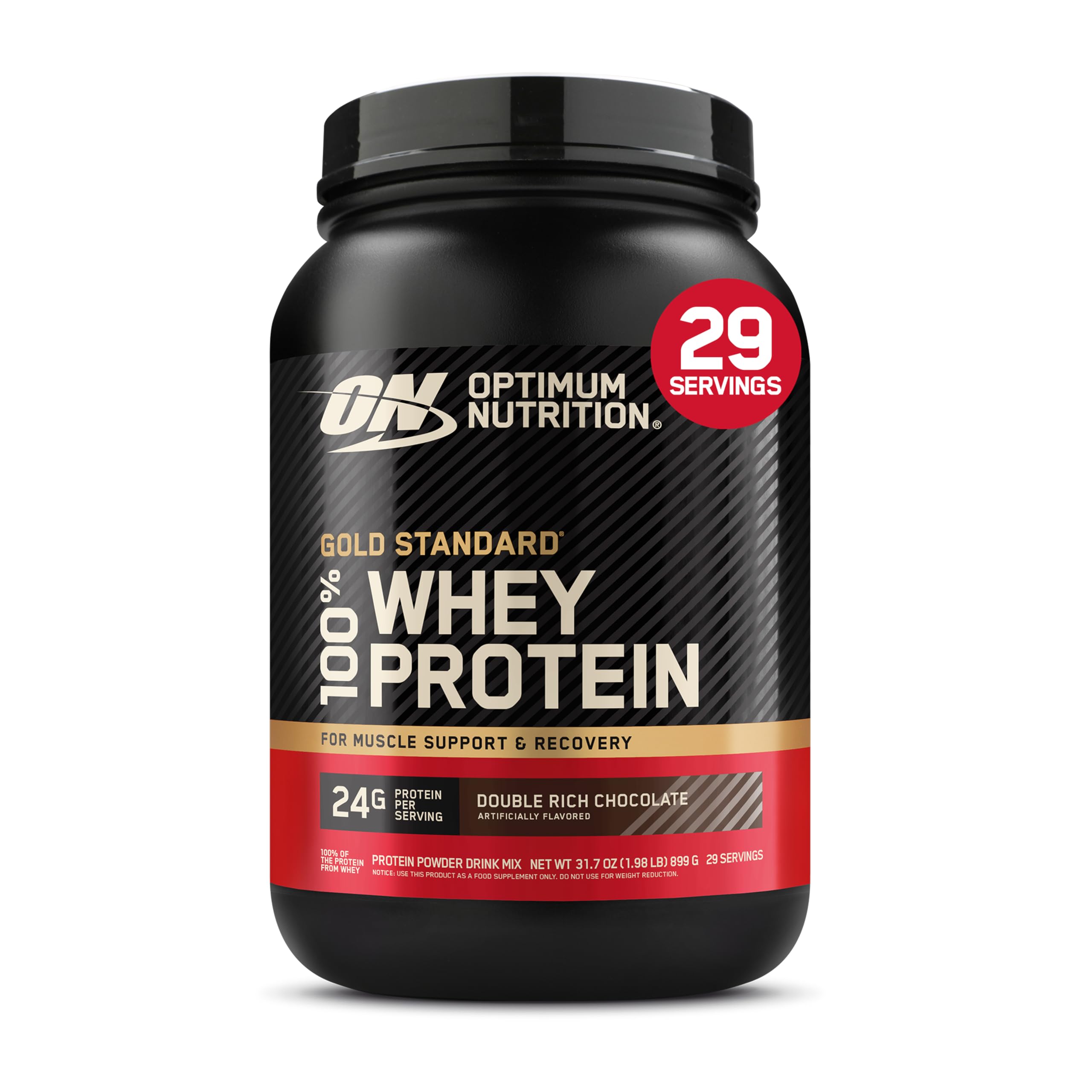
Optimum Nutrition Gold Standard Whey

Optimum Nutrition

Optimum Nutrition Gold Standard Whey

  • BCAAs 0.19 oz
  • Tub Size 2 lb
  • Protein Source Whey isolate and concentrate
  • Protein Per Serving 0.85 oz
Check Price on Amazon

A 24-gram whey scoop that mixes clean and tastes good enough to drink daily.

Twenty-four grams of protein, eleven grams of essential amino acids, and a scoop that vanishes in water without a blender: that is the case for Gold Standard, and it is why we recommend it first to an older adult who wants one dependable serving a day. The amino acid numbers are the part that matters. Plenty of powders can put a big figure on the front of the tub; a complete profile at 24 grams per scoop, drawn from whey isolate and concentrate, is what makes the serving useful for holding on to muscle.

Mixing is where it separates from the fussier end of this list. Shaken with six to eight ounces of water it comes out thin and clump-free in about twenty seconds, no blender and no milk required, which matters when you are making it one-handed before breakfast. Double Rich Chocolate is the flavor to start with, and it stays drinkable in water rather than needing to be buried in a smoothie.

The blend is not lactose-free, though. Whey concentrate sits alongside the isolate, so every scoop carries a little dairy sugar, and if a glass of milk already leaves you bloated, a plant powder is the better place to start. If you are simply unsure, a half scoop in the morning for a week tells you what a full one will do.

Two pounds is a sensible first size — enough to know whether you will keep drinking it, not so much that you are stuck with it. And because the powder is instantized, it stirs into oatmeal or plain yogurt without turning breakfast into dessert, which is how we ended up using it once the novelty of a shake wore off.

Bottom Line

Our default recommendation for older adults who want one dependable daily scoop: complete whey, clean mixing, and a chocolate flavor that works in water.

Check Latest Price

Best Tasting

Our Score 9.2/10
BSN SYNTHA-6

BSN

BSN SYNTHA-6

  • Fiber 0.21 oz
  • Sugars 2-3 g
  • Servings 48
  • Protein Per Serving 0.78 oz
Check Price on Amazon

Rich, creamy shake flavor with 6 grams of fiber and a slower protein blend.

If the tub in your cupboard went stale because you did not enjoy drinking it, SYNTHA-6 solves that problem thoroughly. It is the creamiest, richest shake in this group, closer to chocolate milk than to a supplement, and it reaches that texture in a shaker with water rather than requiring a blender.

What we appreciate beyond the flavor is the blend. Six protein sources, including calcium caseinate and micellar casein, digest more slowly than straight whey, and six grams of fiber per serving make a scoop feel like a snack rather than a drink. That is what makes it our pick for a mid-afternoon or evening shake, especially for anyone who finds a plain whey leaves them hungry an hour later.

Two trade-offs come with it. The sweetness is sucralose, which leaves a lingering edge some palates read as chemical, and the tub is five pounds, a real commitment for a first purchase. It also sits heavier than the isolates here, which is the point of the casein and the reason to start with one scoop rather than two.

Bottom Line

Buy this one if you have ever abandoned a tub because you did not like drinking it: the creamiest shake here, with fiber and a slower blend behind it.

Check Latest Price

Best for a 30-Gram Serving

Our Score 9.2/10
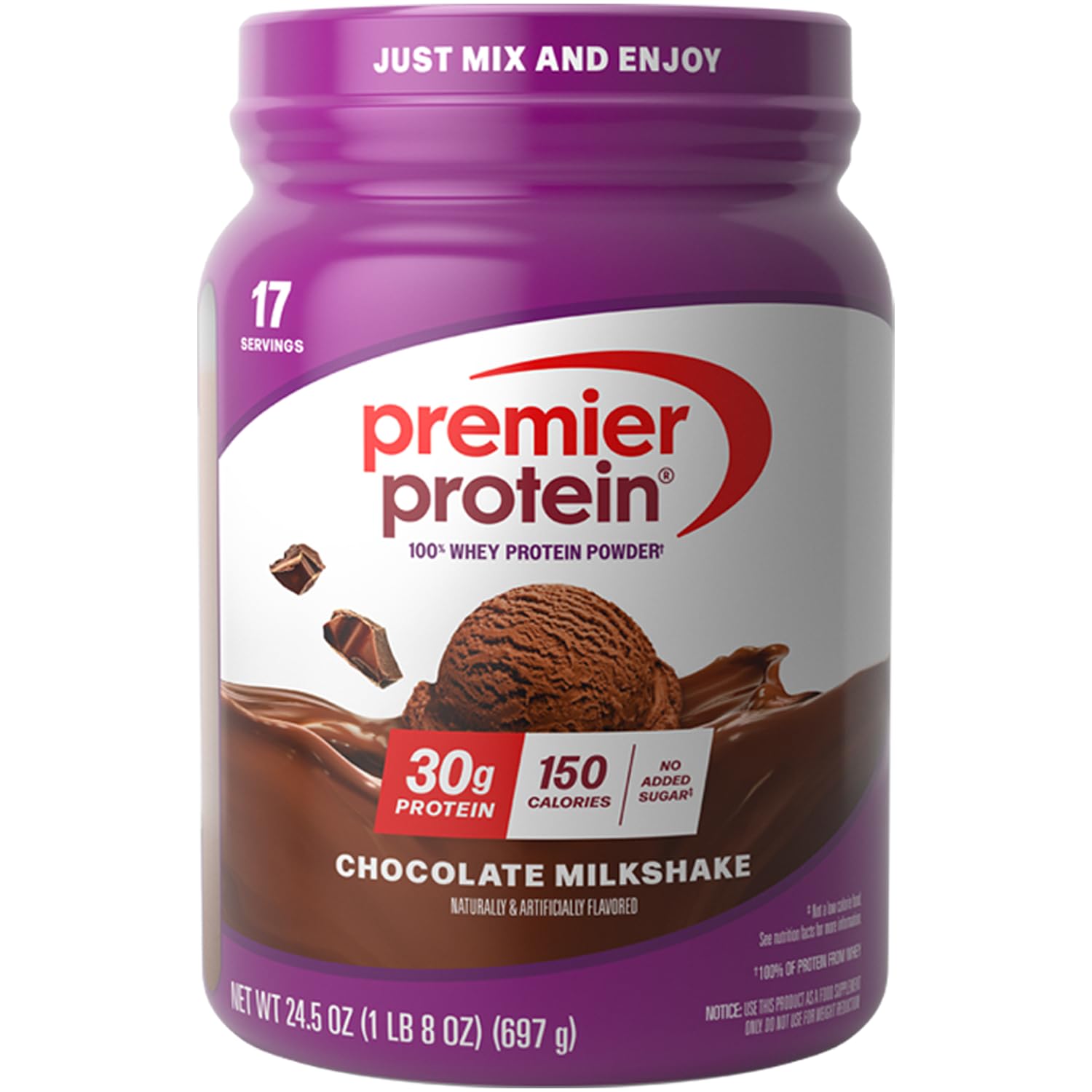
Premier Protein 30g Whey Powder

Premier

Premier Protein 30g Whey Powder

  • Sugars 0.04 oz
  • Calories 150
  • Servings 17
  • Protein Per Serving 1.06 oz
Check Price on Amazon

Thirty grams of protein and a single gram of sugar in one serving.

Thirty grams of protein, one gram of sugar, three grams of carbs, 150 calories: as labels go, this is the leanest one in the group. Premier's chocolate powder is built for people counting something, and it is the one we point to when the goal is a big protein hit without a milkshake's worth of everything else.

The glass is where it gives ground. Shaken in water it can leave lumps clinging to the sides and a faint chalky finish, and it behaves better in milk or with a wire-ball shaker than with a fork. The tub also arrives looking part-full, because a 17-serving container is sized for the scoop rather than the fill line, and the powder settles in transit.

Even so, if your priority is a single serving that clears 30 grams with almost no sugar, this is the one to buy. Seventeen servings disappears quickly at one a day, so treat the first tub as a trial and move to a larger size once you know the flavor works for you.

Bottom Line

The leanest label of the high-protein picks: 30 grams with a gram of sugar, for anyone counting calories or carbs alongside protein.

Check Latest Price

Best Budget

Our Score 9.2/10
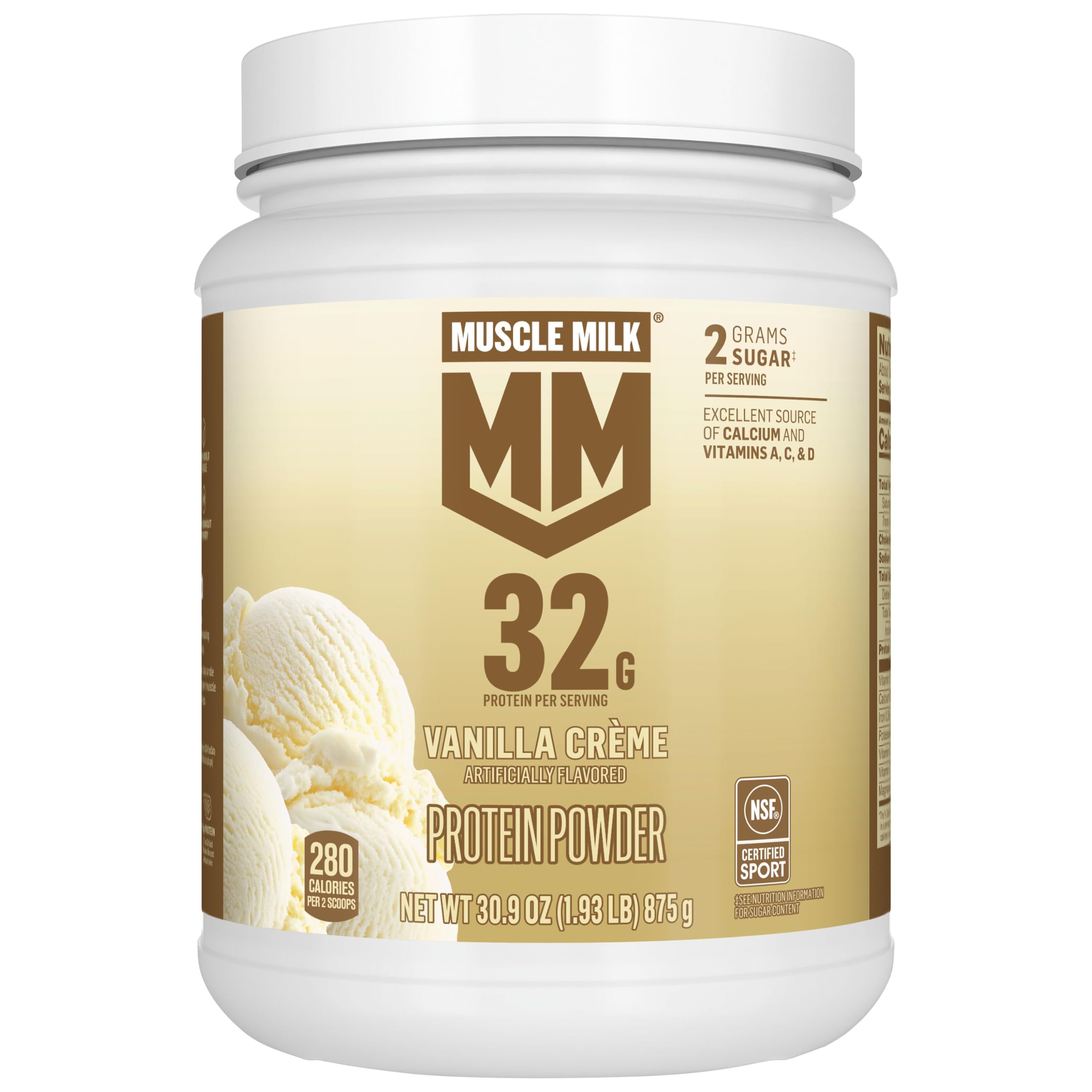
Muscle Milk Genuine Protein Powder

Muscle

Muscle Milk Genuine Protein Powder

  • Sugars 0.07 oz
  • Servings 12
  • Certification NSF Certified for Sport
  • Protein Per Serving 1.13 oz
Check Price on Amazon

The lowest-priced tub here, with 32 grams and added vitamin D.

Twelve servings. That is the fewest in this group, and at 32 grams of protein per serving Muscle Milk Genuine also carries the highest protein figure on any label here. Mixing takes two scoops and eight ounces of water, so the tub empties quickly at one serving a day, which makes it a low-commitment way to find out whether you like the flavor.

The label does more than protein. There is calcium and vitamins A, C, and D in the scoop, and the powder is NSF Certified for Sport, an independent batch-testing program that matters less for athletics than for knowing what is actually in the container. Chocolate and vanilla both mix clean in a shaker; in water alone the texture can turn sandy, and milk covers it.

For a reader on a fixed budget who wants the most protein for the smallest outlay, this is the one we point to. The caveat is the scoop count: a serving is two scoops, so measure them rather than eyeballing a rounded spoon, or you will run the tub down twice as fast as you planned.

Bottom Line

The budget route to a big protein number, with calcium and vitamin D in the scoop — just count the two scoops a serving actually takes.

Check Latest Price

Best Plant-Based

Our Score 9.0/10
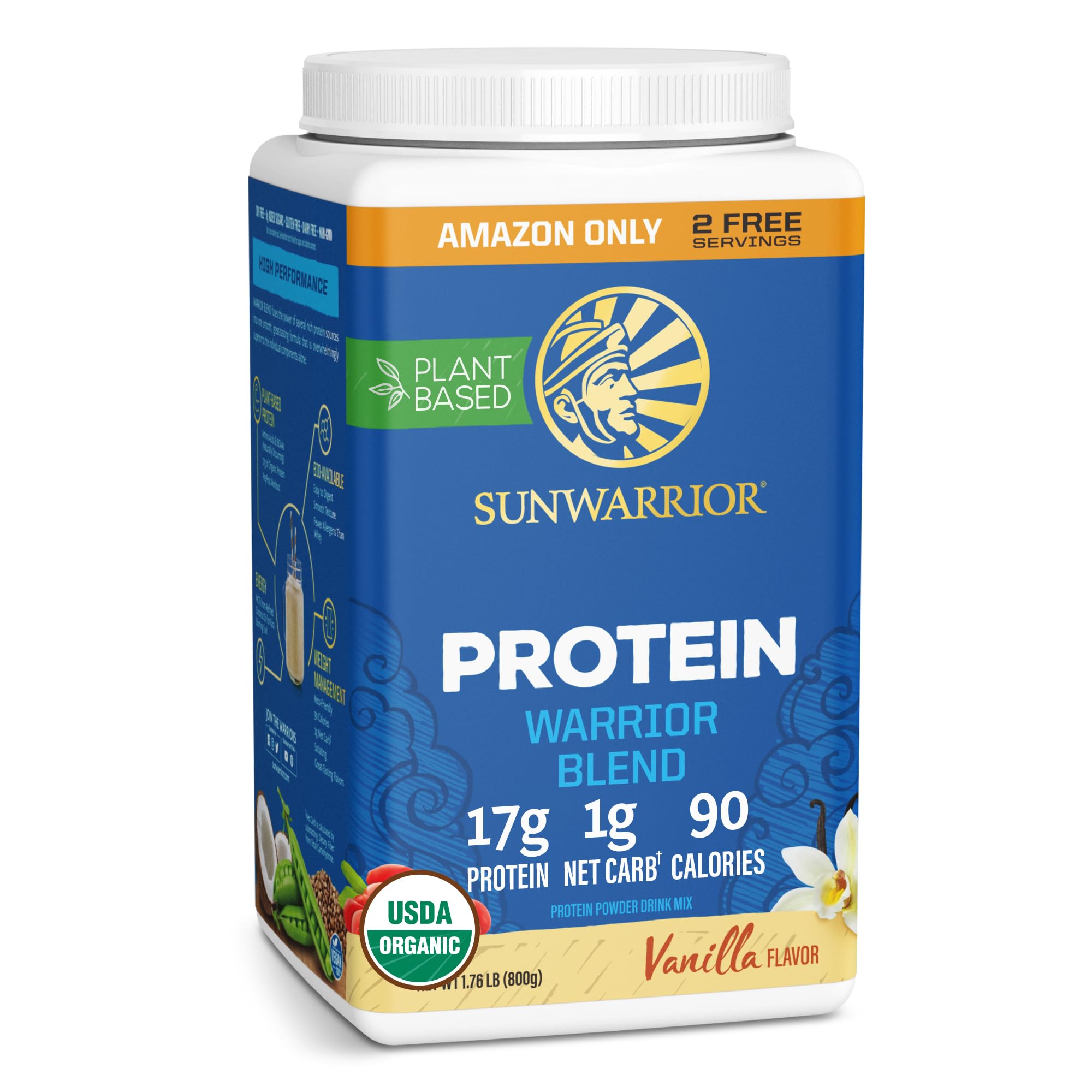
Sunwarrior Warrior Blend

Sunwarrior

Sunwarrior Warrior Blend

  • Servings 32
  • Tub Size 1.76 lb
  • Protein Source Organic plant-based blend
Check Price on Amazon

A dairy-free blend that mirrors whey's amino acids and goes down easy.

Dairy is the usual reason someone stops with whey, and Warrior Blend is the plant powder here that behaves most like the whey it replaces. The blend is built to mirror whey's amino acid profile rather than simply posting a protein number, it is organic with no synthetics or fillers, and it mixes into a smoothie without the chalky drag that makes some plant powders a chore.

Vanilla is the flavor to start with, sweet without being cloying and mild enough to take fruit and almond milk. The tub holds 32 servings and the powder dissolves in a shaker as readily as in a blender, which is not a given with pea-based blends. Digestion is the quiet strength: it is the plant powder here that most consistently leaves people feeling fine rather than heavy.

Texture is the variable. In almond milk it lands smooth and creamy; shaken hard in plain water it can read grainy, and the tub costs more than the Orgain on the same shelf. If a daily smoothie is already part of your routine, neither point will bother you, and the gentler digestion is worth the difference.

Bottom Line

Our pick when dairy is the problem: a plant blend built to behave like whey, organic, and the easiest of the dairy-free options on a sensitive stomach.

Check Latest Price

Best For Budget plant-based

Our Score 9.0/10
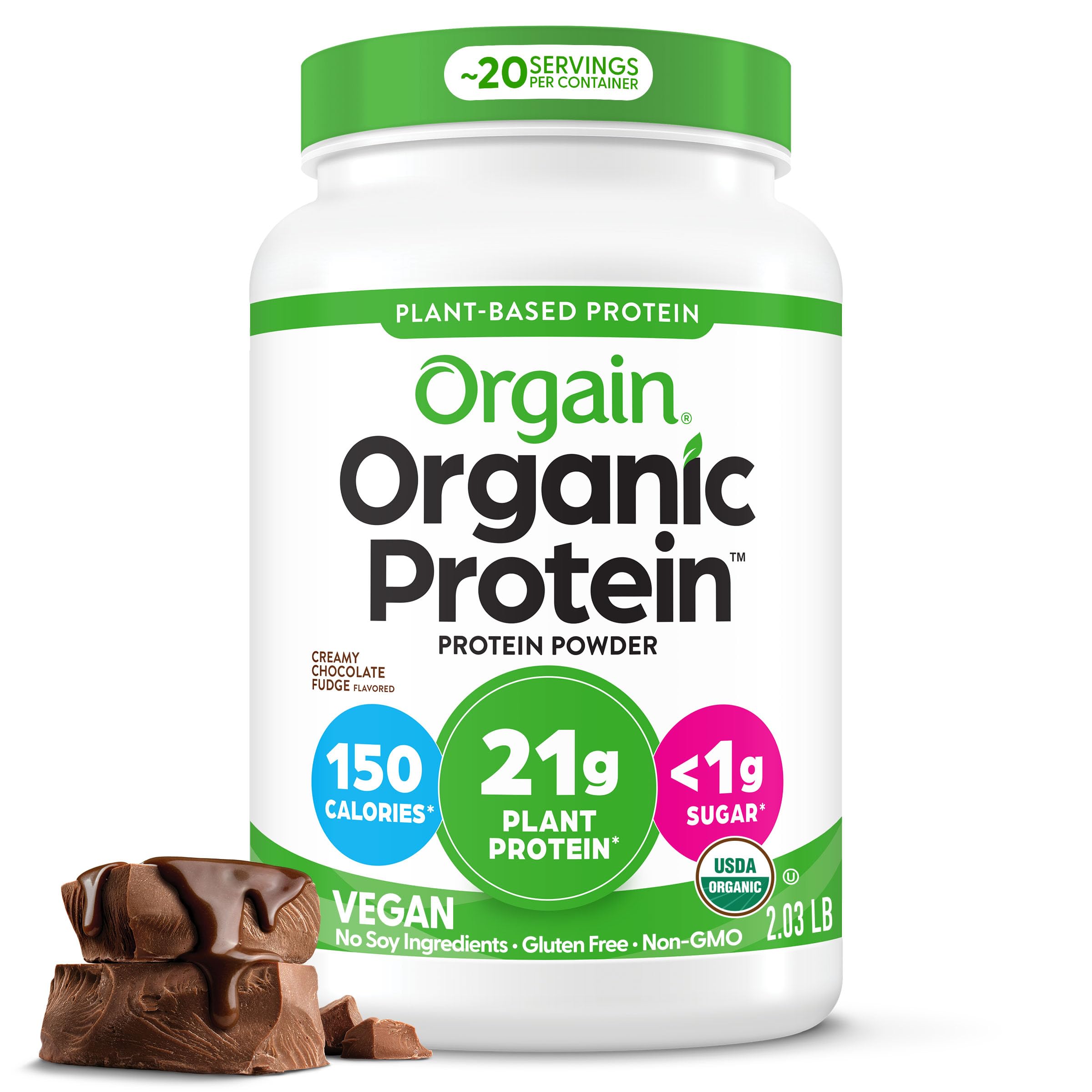
Orgain Organic Protein

Orgain

Orgain Organic Protein

  • Sugars 0 g
  • Tub Size 2.03 lb
  • Certification USDA Organic
  • Protein Per Serving 0.74 oz
Check Price on Amazon

This is the other plant powder here, and it is the cheaper, plainer option — for a lot of households that is the right trade. Orgain's chocolate fudge blends pea, brown rice, and chia for all nine essential amino acids, carries 21 grams of protein with no sugar, and is USDA Organic, dairy-free, soy-free, and made without erythritol, a sugar alcohol that upsets some stomachs.

Texture is the catch. Shaken in a bottle it stays gritty however long you go at it, and that grit is the difference between a shake you finish and one you abandon. Blended with almond milk and a banana it smooths out and turns genuinely creamy, so the blender is not optional here; it is the price of the clean label.

Flavor runs sweet for a powder with zero sugar, which tells you the sweetener is doing the work. If sweetener-forward drinks have put you off before, test a small scoop in water before you commit a full serving to a smoothie. In a shake with fruit the sweetness reads as balance; on its own it can taste thin and oddly candied.

Where it wins is the combination of price and label: organic, dairy-free, complete, and less costly than the other plant pick in this guide. It is the plant powder we suggest when the budget is the deciding factor and there is a blender on the counter.

Bottom Line

The budget way into a complete dairy-free scoop, provided you own a blender and do not mind a sweetener-forward chocolate.

Check Latest Price

Best For Lifters wanting creatine

Our Score 9.0/10
MuscleTech Nitro-Tech

MuscleTech

MuscleTech Nitro-Tech

  • Creatine 0.11 oz
  • Tub Size 4 lb
  • Protein Source Micro-filtered whey
  • Protein Per Serving 1.06 oz
Check Price on Amazon

Three grams of creatine ride along with every 30-gram scoop of Nitro-Tech, which tells you exactly who this powder is for. It is a gym formula first: micro-filtered whey with an enzyme blend of papain and amylase, in a four-pound tub that assumes you are training several times a week.

The scoop is the practical catch. It is a large one, and a four-pound tub is a long commitment if you end up drinking it once a week. Taste runs sweet, with the chocolate landing closer to dessert than to a neutral shake, and it mixes cleanly in a shaker with water, so nothing about the preparation gets in the way.

Digestive comfort is the reason to hesitate. A formula with creatine and a bigger scoop sits heavier than a plain isolate, and it is not the powder to choose if a single scoop of whey already leaves you bloated. The enzyme blend is there for exactly that reason, but it does not shrink the serving.

Our read is that this is a good powder for the wrong reader. If you are lifting and want protein and creatine in one scoop, it is efficient and it mixes well. If you are easing into resistance bands twice a week and just trying to get 25 grams at breakfast, the creatine is ballast and the scoop is bigger than you need — Gold Standard or Premier covers the same ground with less to think about.

Bottom Line

A well-made gym powder for someone lifting regularly: 30 grams of whey plus creatine in one scoop, and more machinery than a daily breakfast shake needs.

Check Latest Price

Best For Fortifying food

Our Score 8.8/10
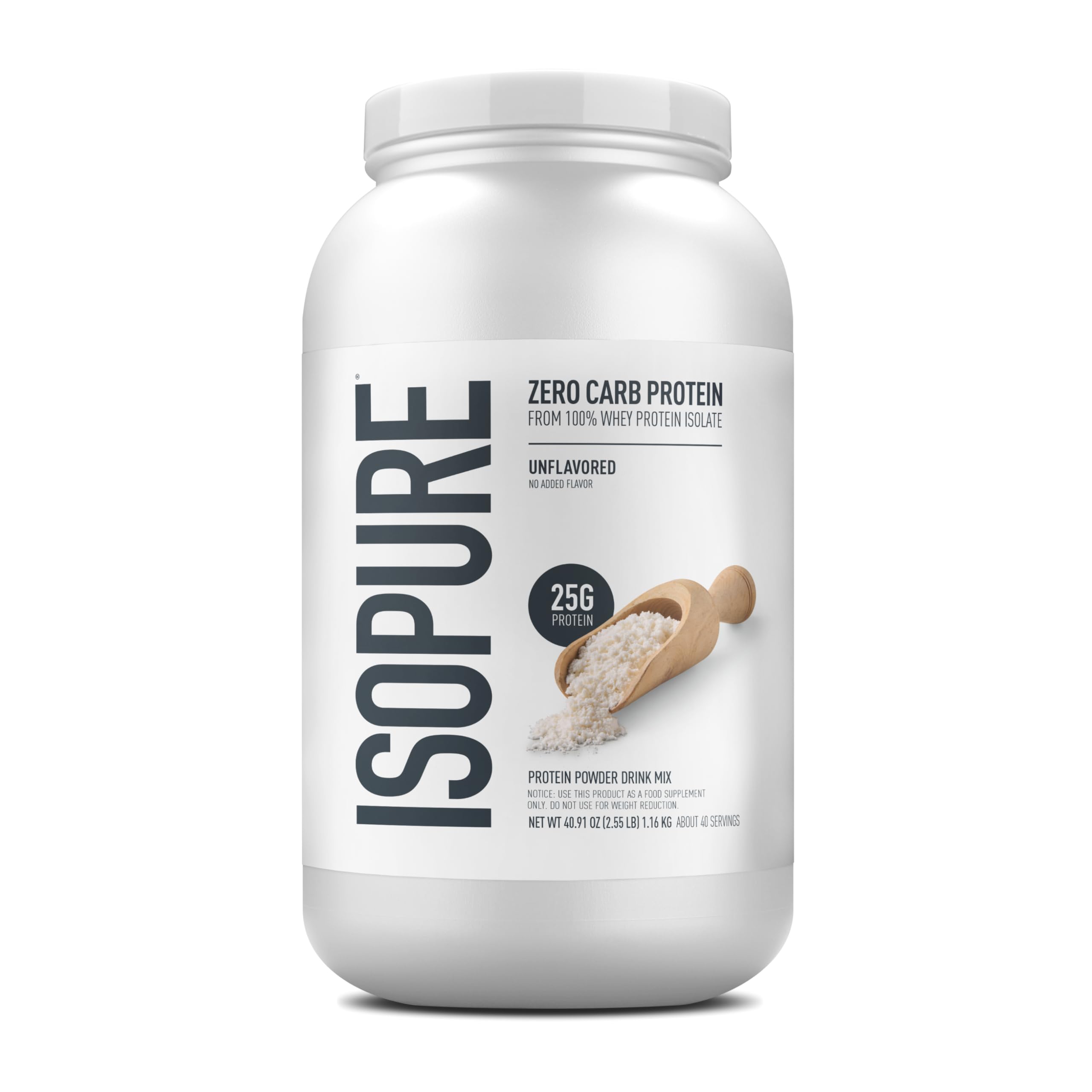
Isopure Zero Carb Unflavored

Isopure

Isopure Zero Carb Unflavored

  • Sugars 0 g
  • Tub Size 2.55 lb
  • Protein Per Serving 0.88 oz
  • Vitamins & Minerals 20
Check Price on Amazon

Isopure clumps. Put a scoop into hot coffee or broth and you get curds floating on top, and stirring does not rescue it, because the protein sets before it disperses. That is the first thing to know about the most useful unflavored powder here, because it decides how you use it.

Used properly, it is the most versatile tub in this set. Twenty-five grams of isolate with zero sugar, no flavor, and 20 vitamins and minerals goes into mashed potatoes, oatmeal, or a cold smoothie without announcing itself, and in anything seasoned the flavor disappears almost entirely. Even in plain water the note is faint and dairy-ish rather than sweet, which is a different experience from drinking a chocolate shake every morning.

The technique that makes it work: whisk the powder into a couple of tablespoons of cold liquid first, then add the warm base off the heat. That is more effort than shaking a flavored whey, and it costs more per serving than the flavored tubs here, so it earns its place for a specific reader — someone tired of sweet drinks, or someone who needs protein in food rather than beside it.

Bottom Line

Worth buying if the powder is headed into soup, oatmeal, or iced coffee rather than a glass — not if you want to stir it into hot broth and walk away.

Check Latest Price

How We Chose and Tested Protein Powders for Seniors

I started with powders sold for older adults and filtered by protein source, grams per serving, added sugars, third-party testing claims, and tub size—a 5-pound container is a bad buy if it goes stale before you finish it. That left 14 powders, all bought at retail over six months the way a shopper would, so we could judge shipping, seals, lids, and whether the tub was easy to open and reseal.

The panel—my parents, an aunt, and three older neighbors—used each powder for at least a week at breakfast, after a morning walk, and as an afternoon supplement when appetite was low. We mixed each in eight ounces of water, shook it in a bottle, and stirred it into oatmeal, then noted grit, chalkiness, thickness, foam, and whether powder clung to the glass or clumped at the bottom. We tasted plain and flavored versions and tracked aftertaste, sweetness, and whether the flavor wore out by day five.

After each serving, tasters recorded how the powder sat—bloating, cramping, heaviness, or none—and whether it helped them reach a protein target without feeling like a chore. We weighed level scoops against label servings, counted how many servings were actually in each tub, and calculated cost per 20 grams of protein rather than cost per tub. We also checked protein source, amino acid profile, and whether the label matched what we scooped.

How to Choose the Right Protein Powder for Seniors

Check Whether the Number Is Per Scoop or Per Serving

Front-of-tub figures are usually per serving, and a serving is not always one scoop. Muscle Milk Genuine gets its 32 grams from two scoops in eight ounces of water, so a twelve-serving tub is really twenty-four scoops. Premier Protein lists 30 grams with a gram of sugar and 150 calories per serving; Orgain's plant powder lists 21 grams.

For muscle maintenance, most guidance for older adults points to roughly 25 to 30 grams at a meal, which makes a 21-gram scoop a partial hit unless you build it up with milk or yogurt. Read the serving line before the front of the tub, then decide whether you want to measure one scoop or two each morning.

Whey, Casein, or Plant

Whey isolate has most of the lactose filtered out; whey concentrate keeps more of it, which is why a blend like Gold Standard can sit differently from an isolate-only powder like Isopure. Add casein, as SYNTHA-6 does, and the powder digests more slowly — good for a between-meals shake, heavier if you are sensitive.

Plant blends need complementary sources to be complete: Orgain combines pea, brown rice, and chia for all nine essential amino acids, and Sunwarrior builds its blend to mirror whey's profile. The trap is assuming plant means gentler. Pea protein and non-nutritive sweeteners are both common culprits when a powder disagrees with you, so change one thing at a time.

Mixing, Texture, and the Shaker Bottle Test

Instantized whey and finely milled isolates mix in a shaker with water; unflavored isolate and most plant powders need a blender or a milk base to lose their grit. Heat is the other trap: protein sets in hot liquid, so a scoop stirred into coffee or soup turns to curds unless you whisk it into a little cold water first.

If you drink your protein standing at the counter, prioritize a powder that mixes in water alone. If the plan is oatmeal, soup, or a smoothie, buy unflavored and put the blender on the counter where you will use it.

Sugar, Sweeteners, and Added Vitamins

Most of these powders land between zero and three grams of sugar, so the sugar line rarely separates them — the sweetener does. Sucralose, stevia, and monk fruit each leave a different finish, and the powder that tastes best to you is usually the one whose sweetener you stop noticing after a week.

Fortified formulas add micronutrients: Isopure carries 20 vitamins and minerals, and Muscle Milk adds calcium plus vitamins A, C, and D. That is worth paying for only if you do not already take a multivitamin, and the calorie line is worth reading if you are using a scoop as a snack rather than a meal.

Servings Per Tub and What a Gram of Protein Costs

Divide the protein per serving by the servings per tub and you get the number that matters: how long the container lasts and what each gram costs. A 48-serving tub looks expensive until it is set beside a 12-serving one, and a small tub is the sensible way to find out whether you like a flavor before committing to five pounds.

Powder also fades once opened, so the largest size only saves money if you finish it. We would rather see a reader buy small, drink it daily, and reorder than buy big and let half a tub harden in the cupboard.

Frequently Asked Questions

Final Verdict

Gold Standard is the powder we recommend first: 24 grams of complete whey per scoop, a chocolate flavor that holds up in plain water, and mixing that survives a hurried shake. It suits someone who wants one serving a day and does not want to think about it again.

Change one requirement and the answer changes. Premier Protein if 30 grams with a single gram of sugar is the point, Sunwarrior if dairy is off the table, Isopure if the powder is headed into soup or oatmeal rather than a glass.