Recovery

Best Foam Rollers of 2026

A foam roller is a simple thing: a cylinder of foam you roll your weight across until tight spots let go. The catch is that the two qualities you want pull against each other. Soft foam feels kind on a sore IT band but does almost nothing, and the rock-hard rollers that actually break up tension can leave you wincing on the living room floor. The right one is firm enough to get in there and forgiving enough that you'll keep reaching for it after a run.

I've been rolling out my calves and shoulders for years, long enough to know that price tells you very little here. Over the past four months, my team and I put 14 foam rollers through daily use — before runs, after long rides, on the carpet at night — and the gap in comfort and effectiveness showed up within a week. One thing first-timers don't realize: length is about reach, not status. A 12-inch handles calves; lying lengthwise on your spine wants 36. The picks below are the ones we kept reaching for.

Best for Targeted Deep Tissue

Our Score 9.4/10
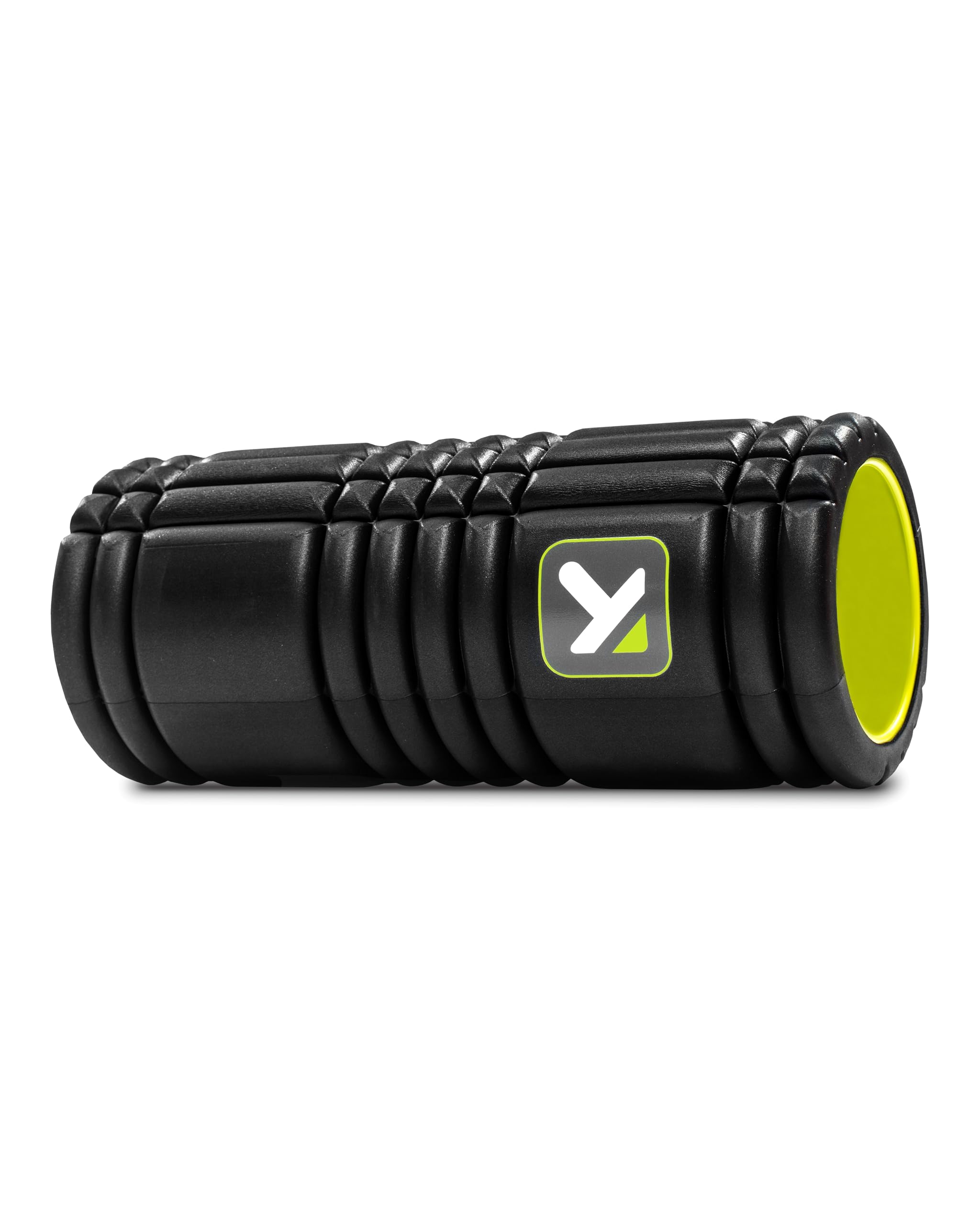
TriggerPoint GRID 1.0 Foam Roller

TriggerPoint

TriggerPoint GRID 1.0 Foam Roller

  • Length 13 inches
  • Weight 1.1 lb
  • Surface Multi-density GRID
  • Texture Ridges and nodules
Check Price on Amazon

Compact textured roller for knots in legs, glutes, and upper back.

The place we reach for the GRID 1.0 is the outside of a thigh after a long run, or the knot at the top of a calf that a smooth roller slides right past. Its 13-inch body is short enough to move around a single muscle, and the raised GRID pattern gives you several pressure levels depending on how you position yourself.

We found the ridges do more than decorate the surface. Wide, flat sections cushion the first pass, while the narrower nodules dig in when you rotate onto them, so you can work up to pressure instead of starting at maximum. The 1.1-pound weight makes it easy to carry to the gym, and the compact length stores on a shelf. That makes it a targeted tool rather than a full-body roller; the 13 inches will not cover a whole back in one pass.

The intensity is the catch. On a sensitive IT band or a first session, the texture can feel sharp, and slow, short passes work better than rolling back and forth quickly. It is also more expensive than a basic smooth roller, but the multi-density surface is the reason to choose it. If you already know you like deep pressure, this is the compact one we grab.

Bottom Line

Buy the GRID 1.0 if you want a compact, textured roller for knots in the legs, glutes, and upper back; it is built for spot work, not full-spine coverage.

Check Latest Price

Best for Beginners and Sensitive Muscles

Our Score 9.4/10
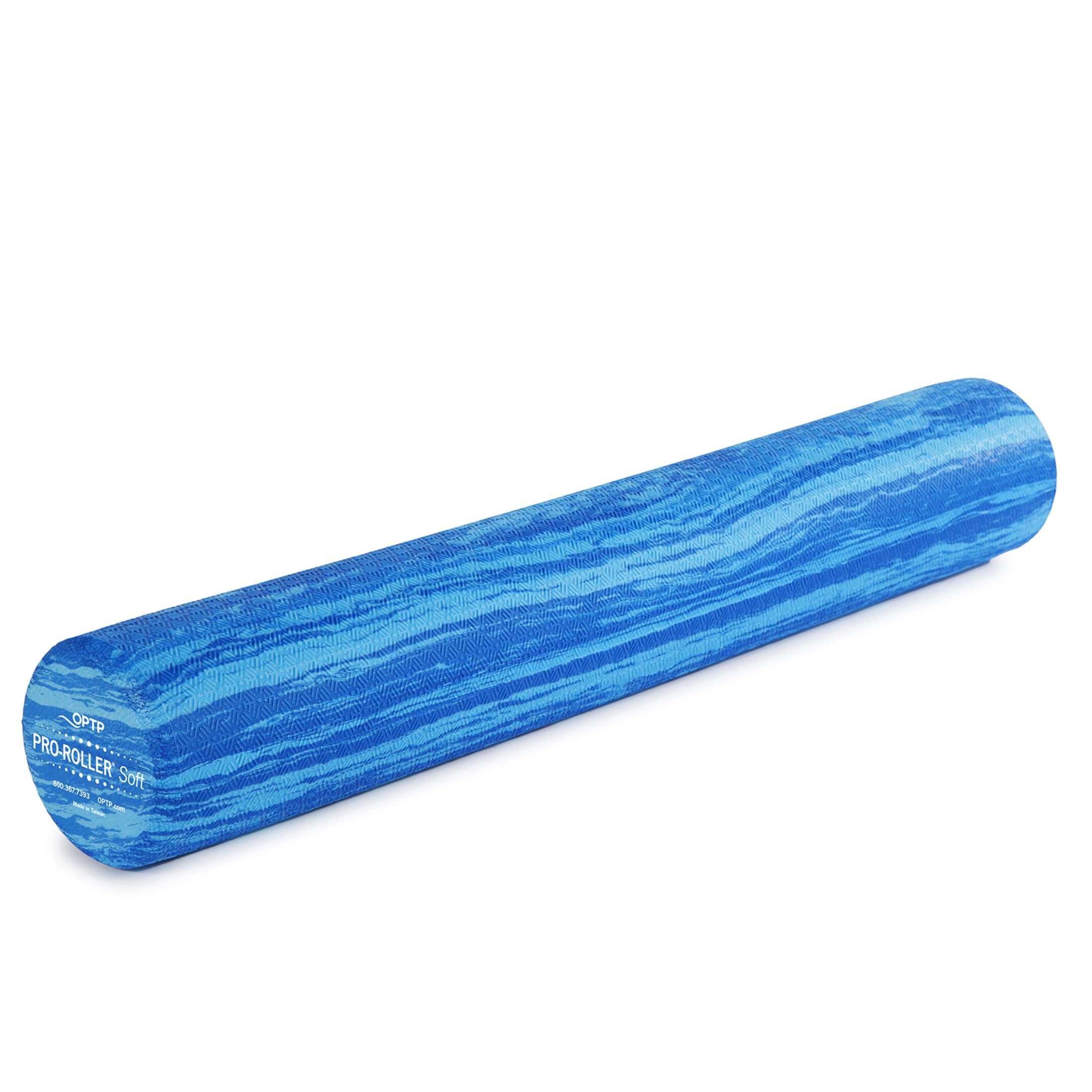
OPTP PRO-Roller Soft

OPTP

OPTP PRO-Roller Soft

  • Length 36 inches
  • Density Soft
  • Diameter 6 inches
  • Material Closed-cell EVA
Check Price on Amazon

A gentle, full-length roller for tender backs and beginners.

If most foam rollers feel like a length of pipe against your back, the OPTP PRO-Roller Soft is the correction. It is a full 36 x 6-inch roller, but the closed-cell EVA has a gentle give that lets you stay on a sore area long enough to breathe instead of tensing up.

That softness is not the same as vagueness. We found it still supports the spine and hips well enough for positioning exercises and Pilates-style work, and the surface has a slight tack that keeps it from sliding out from under a shoulder. The 36-inch length is the other half of the appeal: you can lie along it for back work or use it crosswise for balance drills, and the closed-cell foam wipes clean after a sweaty session.

Where it falls short is deep, focused pressure. A stubborn knot in the glute or a tight IT band needs more bite, and that is when we reach for the GRID or RumbleRoller instead. The OPTP is the roller we recommend to someone who has been avoiding rolling because it hurt, or to anyone who wants gentle daily movement. It costs more than the basic rollers here, and for that audience the comfort is the point.

Bottom Line

Buy the OPTP PRO-Roller Soft if you want a full-length roller that feels gentle on tender backs and joints; it trades deep pressure for comfort.

Check Latest Price

Best for Intense Deep-Tissue Work

Our Score 9.4/10
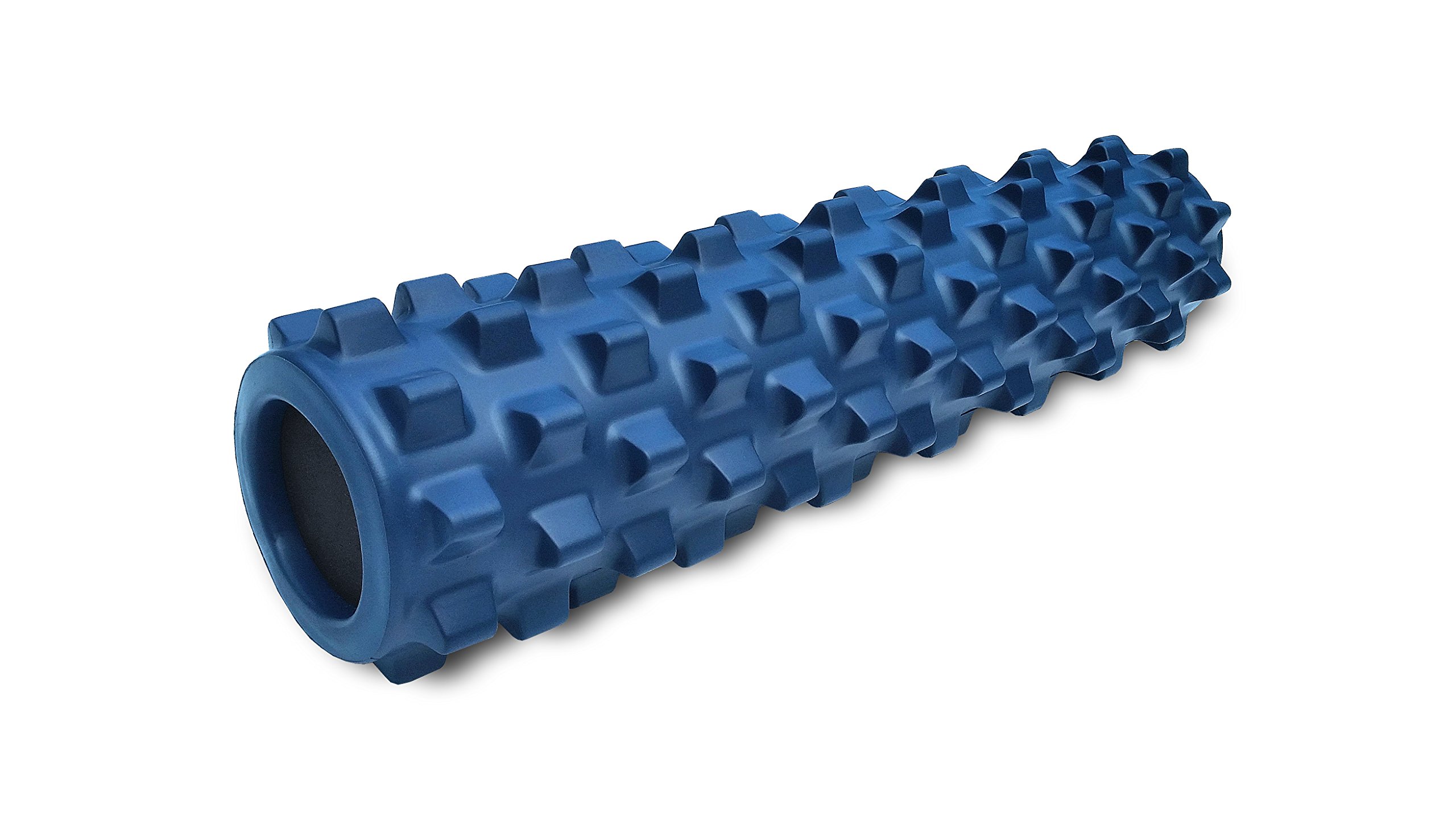
RumbleRoller Original 22-Inch

RumbleRoller

RumbleRoller Original 22-Inch

  • Length 22 inches
  • Surface Textured bumps
  • Material EVA/polyolefin
Check Price on Amazon

Aggressive bumps for experienced rollers who want deeper pressure.

The RumbleRoller is not the roller to hand a nervous beginner. Its textured bumps are the closest thing in this group to a set of thumbs working into a knot, and the 22-inch length gives you enough surface to use it on the back, glutes, and hamstrings without wrestling a full-length roller.

We felt the difference most on the hamstrings and around the hip, where the bumps reach deeper than a smooth roller without needing a lot of body weight. The EVA/polyolefin material feels firm and dense, and the 22-inch body is small enough to fit in a suitcase. On the IT band, though, the same texture can be too much; short passes and a lighter lean are the way in.

The price is premium, and the intensity is real. If you already roll regularly and want a tool that gets into the muscle rather than gliding over it, the RumbleRoller earns its place. If you are new to rolling or tender on bony areas, start with the OPTP Soft or the CORE and come back to this one later.

Bottom Line

Buy the RumbleRoller if you already roll regularly and want a portable, aggressive roller for deep work on the back, glutes, and hamstrings.

Check Latest Price

Best Overall

Our Score 9.2/10
Amazon Basics 36-Inch Foam Roller

Amazon Basics

Amazon Basics 36-Inch Foam Roller

  • Length 36 inches
  • Density High-density
  • Diameter 6 inches
  • Material Polypropylene
Check Price on Amazon

A full-length, dense roller for broad back and leg work at a budget price.

A 36-inch roller is the one you can lie on lengthwise, and that extra coverage is why this Amazon Basics model became our default. The 36 x 6-inch body runs from the upper back to the hips and lets you settle both legs across it at once, so a five-minute session covers more ground than a short roller. We also like that the polypropylene foam is genuinely dense; it feels like a firm tool rather than a soft cushion, and it holds its shape under a heel or shoulder.

The molded edges are a small but welcome detail when you are rolling near the armpit or the side of a thigh, and the surface wipes clean with a damp cloth. In our sessions, the lack of texture was the main difference from the GRID-style rollers: this one glides over a knot instead of parking on it. That makes it better for broad, sweeping passes than for trigger-point work.

The density is the trade-off. On a tender lower back or a bony hip, the first pass can feel severe, and a softer roller such as the OPTP PRO-Roller Soft is easier to stay with. What you get in return is a simple, durable full-length roller that should suit a shared gym bag or a daily home routine. The 30-day guarantee is modest, but the design is hard to fault for the money.

Bottom Line

Buy the Amazon Basics 36-inch if you want a tough, full-length roller for broad back and leg work; it is the simplest default for daily rolling.

Check Latest Price

Best Midlength All-Purpose Roller

Our Score 9.2/10
TriggerPoint CORE 18-Inch

TriggerPoint

TriggerPoint CORE 18-Inch

  • Length 18 inches
  • Weight 10.6 oz
  • Firmness Soft compression
  • Material Solid-core EVA
Check Price on Amazon

An 18-inch middle ground that stores easily and suits most muscle groups.

Eighteen inches is the length we end up recommending to people who want one roller for a small apartment and a full leg session. The TriggerPoint CORE is short enough to tuck beside a sofa, long enough to lie on for upper-back work, and light enough to move between rooms without thinking about it.

We expected the softer compression to feel vague, but it still gave us enough pushback to work the quads and calves. The solid-core EVA is the practical part: it is meant to resist the breakdown that turns cheap polypropylene rollers soft and crumbly, and the surface has stayed intact in our use. The 18-inch length is a compromise, not a full-body solution—you work one leg at a time—but it covers most of what a home roller needs to do.

The included access to TriggerPoint's instructional video library is more useful than it sounds if you are new to rolling, because the right position matters more than how hard you press. The softer feel is also the main limitation: if you want the deep, targeted bite of the GRID, this is not that roller. For a first roller or a rest-day tool, the CORE is the easier one to live with.

Bottom Line

Buy the TriggerPoint CORE if you want an 18-inch roller that balances portability, comfort, and enough firmness for most muscle groups.

Check Latest Price

Best Budget Compact Roller

Our Score 9.2/10
ProsourceFit 12-Inch Foam Roller

ProsourceFit

ProsourceFit 12-Inch Foam Roller

  • Length 12 inches
  • Diameter 6 inches
  • Material EPP
  • Weight Capacity 300 lb
Check Price on Amazon

A dense 12-inch roller that disappears into a gym bag.

The ProsourceFit roller is 12 inches long, which is short enough to live in a drawer and light enough to forget in a gym bag. That is the entire case for it: a dense, simple roller you can take anywhere and use on a calf, a quad, or the side of a hip without needing floor space at home.

The high-density EPP foam is firm, not forgiving, and the six-inch diameter gives it a stable base. We found it best for spot work on the legs and glutes; the 300-pound weight capacity is reassuring for a compact roller, and the water-resistant surface wipes clean. It is not the one for stretching out your whole back, because 12 inches will not span the spine.

What we like most is the lack of fuss. There is no texture to get used to and no hollow core to worry about, just a firm cylinder that does a basic job and stores out of the way. The trade-off is that the same short length that makes it packable also limits how much of the body you can cover in one pass. For a travel kit or a second roller, that is an easy exchange.

Bottom Line

Buy the ProsourceFit 12-inch if you want a dense, packable roller for spot work on the legs and glutes; it is not a full-body roller.

Check Latest Price

Best For Larger-body support

Our Score 9.2/10
Gimme 10 Massage Roller

Gimme

Gimme 10 Massage Roller

  • Length 12.5 inches
  • Diameter 5.25 inches
  • Firmness Medium
  • Weight Capacity 485 lb
Check Price on Amazon

The 485-pound weight rating is the first thing we checked on the Gimme 10, because a roller that bows under you is useless. At 12.5 inches long and just over a pound, it is a compact, three-zone roller that looks more like a hand-held massager than a full-body tool—and that is how it works best.

The three textures give you a palm, finger, and thumb effect, so you can shift from broad pressure to a more pointed press without changing rollers. We found the medium density firm enough for post-workout legs but not as sharp as the GRID; the 485-pound rating is unusually high for this size, and the 5.25-inch diameter feels stable under a foot or a hip.

The short body is the obvious limit. It is excellent for calves, quads, and glutes, and it stores in a gym bag, but it will not support a full spine or let you roll both legs at once. The texture also takes a few sessions to get used to, especially on the IT band.

What makes it worth considering is the combination of a high stated capacity and a compact, medium-density surface. If you are larger-bodied or you want one roller that can travel and still feel sturdy, this is the one we point to. If full-back coverage is the priority, choose a 36-inch roller instead.

Bottom Line

Buy the Gimme 10 if you want a compact, medium-density roller with a high stated weight capacity for spot work and travel.

Check Latest Price

Best For Firm midlength work

Our Score 9.0/10
Rolling With It 18-Inch Foam Roller

Rolling

Rolling With It 18-Inch Foam Roller

  • Length 18 inches
  • Density High-density
  • Diameter 6 inches
  • Material EVA
Check Price on Amazon

Some rollers try to be forgiving; the Rolling With It 18-inch is unapologetically firm. The EVA foam has a smooth, high-density surface that barely gives when you press a thumb into it, and the six-inch diameter makes it feel planted under a shoulder or a hip.

We liked that firmness for the IT band and quads, where a softer roller can squish away from the pressure you are trying to apply. The 18-inch length covers one leg or the upper back comfortably, and at 15.84 ounces it has enough substance to stay put without feeling like a log.

The smooth surface is less useful for pinpoint knots. If you want to park on a trigger point, a textured roller such as the GRID 1.0 does more; the Rolling With It is better for broad, even passes. It is also firm enough to feel harsh on a bony lower back or a sensitive hip, so it rewards a slower, lighter approach.

What we appreciate most is the simplicity: no texture to learn, no hollow core to worry about, just a firm 18-inch roller that should hold its shape. The company backs it with lifetime support, which is a nice extra for a tool that otherwise asks you to bring your own patience. If you want a no-nonsense firm roller for legs and back, it earns a place.

Bottom Line

Buy the Rolling With It 18-inch if you want a firm, smooth roller for IT bands, quads, and back work; it rewards steady pressure but not tender spots.

Check Latest Price

How We Tested the Best Foam Rollers

We started with a long list of several dozen rollers and read through what each manufacturer published about density, diameter, and length, then cut it down to 14 we could reasonably put in front of a reader — a mix of plain foam, textured, and hollow-core designs, from 12-inch travel sizes to 36-inch full-body versions. Anything that wouldn't state its density or came in only one size got dropped early, since those two numbers decide more about whether a roller suits you than any marketing copy does.

For four months the rollers lived where people actually keep them: beside the couch, under the coffee table, jammed in a gym bag. I used mine on calves and quads before morning runs and after long weekend rides; one colleague with a desk job rolled her upper back against a wall for five minutes at lunch; another worked her IT bands after physical therapy exercises. We noted whether a roller slid across hardwood or dug into carpet, and whether it skidded when we moved quickly.

Firmness we judged by hand first, pressing a thumbnail into each one, then by how it felt in week one versus week six, because soft foam gives up fast. Size we tested by reach — could we get to the upper back, would a 12-inch fit in a tote? On pain, we logged whether a sore spot made us flinch and stop within seconds, and whether the relief held until the next morning; comfort decided which ones we used on days nothing hurt. Quality surfaced as dents, flaking, and hollow cores that caved under weight, and value came down to what a roller did relative to what it cost.

How to Choose

Match the Length to the Body Area

A 36-inch roller is the only length that lets you lie along the spine and work both legs at once, which is why it suits a home recovery routine. An 18-inch roller covers one leg or the upper back and stores more easily; a 12- or 13-inch roller is for spot work and travel. The trap is assuming compact means versatile: a short roller that disappears into a drawer is great for calves and glutes, but it will not give you a full-back pass. We prioritise length first because it decides which body areas the roller can serve.

Pick a Surface You Can Stay With

The surface matters more than the label deep tissue. Smooth rollers give even pressure and are easier on bony areas; multi-zone or bumpy rollers concentrate force and can reach a knot faster, but they also feel sharper. Density is separate from texture: a soft EVA roller can be full-length and supportive, while a high-density polypropylene roller can be smooth and very firm. If you are new to rolling, choose a softer or medium surface and add texture later. If you already roll regularly, a textured roller can be the more useful second purchase.

Check the Core and the Weight Rating

Solid EVA and high-density polypropylene hold their shape differently. A hollow-core roller feels firmer and lighter, but it can be less forgiving on tender spots; a solid foam roller may have more give. The stated weight capacity is a load limit, not a firmness rating, and it matters if you are near the top of it. A 300-pound rating is fine for many users, while a 485-pound rating gives more margin in a compact roller. Check the figure before you buy rather than assuming a short roller is automatically sturdier.

Decide How Portable It Needs to Be

Portability is mostly length and weight, not a marketing label. A 12-inch roller fits a gym bag; an 18-inch roller can go in a suitcase but takes up more room; a 36-inch roller is a home tool. If the roller lives in one room, size it for coverage. If it travels, accept that you will work smaller areas and choose a firm, compact model that will not crush under a heel. A roller you leave at home because it is awkward to carry is not saving you anything.

Frequently Asked Questions

Final Verdict

Start with the Amazon Basics 36-inch. It gives you the full-body coverage that makes a foam roller useful for the back, quads, and hamstrings, and its dense polypropylene holds its shape under regular use. That combination makes it the default for most people, especially a first roller.

If you know you want a more targeted tool, the TriggerPoint GRID 1.0 is the textured choice. If firm pressure is the reason you have avoided rolling, the OPTP PRO-Roller Soft is the better fit. The right pick changes with your tolerance, not with the label on the box.