Training Shoes

Best Cross-Training Shoes We Tested of 2026

A good cross-training shoe is a compromise artist: stable for heavy lifts, cushioned for box jumps, flexible for sprints. That tension makes shopping feel like guesswork. You want a pair that fits without pinching, supports your arch without feeling like a brick, and looks decent enough to wear beyond the gym. I've worn plenty that nailed one workout and failed elsewhere; the difference shows in stitching, outsole grip, and how the upper creases. Over the past six months, my team and I tested 11 pairs through regular training.

The best earned their keep across lifting days, HIIT classes, treadmill warm-ups, and the walk to the car. We checked size and fit first—how they run with thick socks, whether the toe box leaves room without heel slip—then arch support during long standing stretches, comfort on jumps and rope climbs, and noise on gym floors. Quality, appearance, and value got a six-month durability check: we noted scuffs, loose stitching, and whether they still felt supportive. The picks below held up.

Best Overall

Our Score 9.2/10
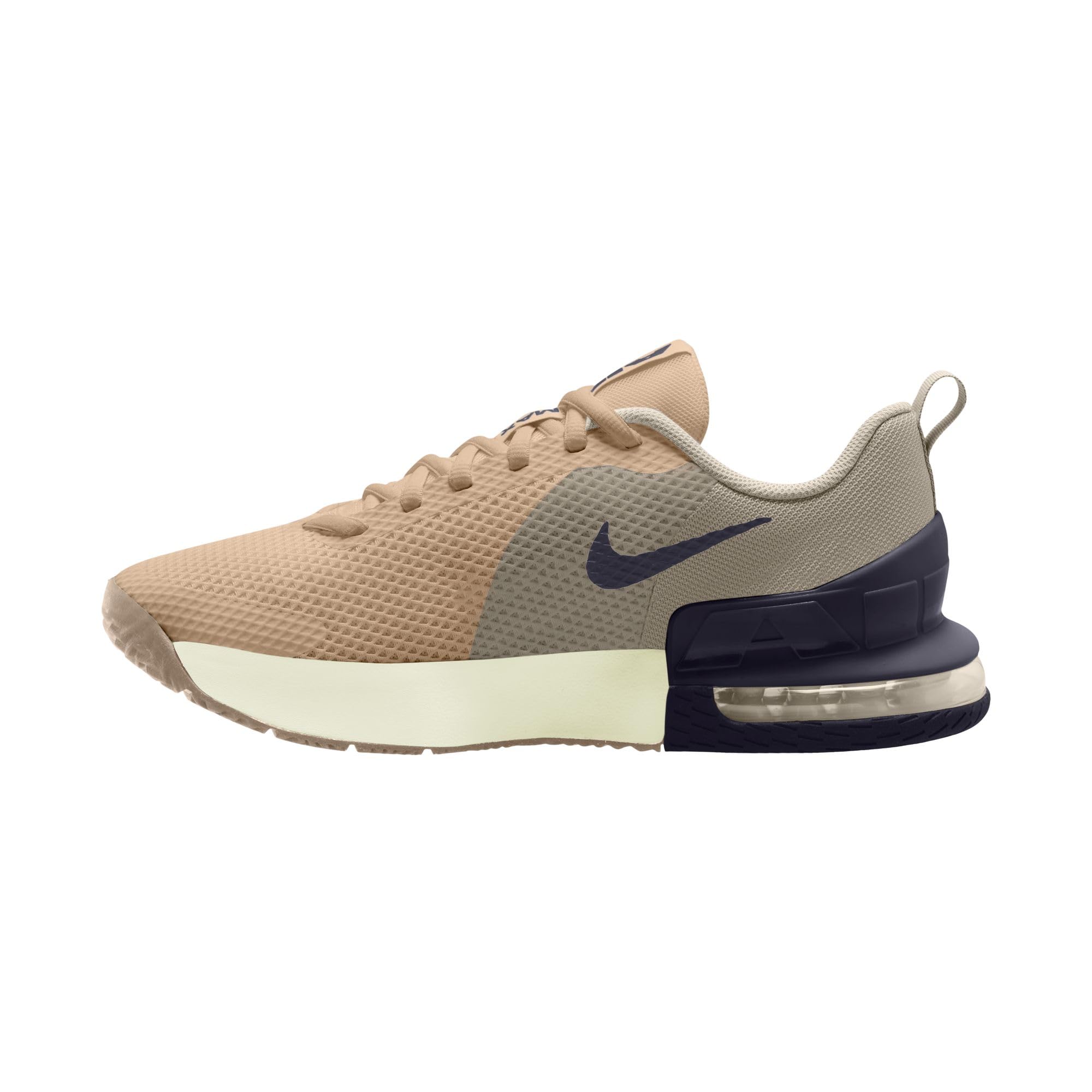
Nike Air Max Alpha Trainer 6

Nike

Nike Air Max Alpha Trainer 6

  • Type Workout trainer
  • Model Air Max Alpha Trainer 6
  • Department Men's
Check Price on Amazon

A firm, flat platform that stays planted under a bar and comfortable through a circuit.

The sole is the reason this Nike ended up at the top of our list. It's flat and firm from heel to toe, and the platform stays level when you load it — which is the most useful thing a cross-training shoe can do for anyone who lifts. Standing in it feels less like standing in a sneaker and more like standing on a piece of gym flooring that happens to be attached to your foot.

It's a trainer first, and the ride admits it. Past a few minutes of jogging the midsole feels wooden, which is the price of that firm base: fine for warm-up laps and shuttle runs, not what you want for a 5K. On the gym floor, though, the shoe stays out of the way. We noticed it most in split squats and lateral lunges, where a soft heel has a way of turning a stable stance into a wobble.

Sizing is the one thing to get right. This model runs short and narrow through the midfoot and heel, so if you're between sizes, take the larger one; if your feet are wide, the New Balance 608 V5 further down comes in wide and extra-wide. Everything else was easy — the mesh breathes through a sweaty class, the collar sits low enough not to rub, and it looks enough like a normal sneaker that we've worn it out of the gym without feeling like we're clomping around in gym shoes.

Bottom Line

Our pick for most gym sessions: the firm, flat platform keeps you planted under a bar, and the shoe stays comfortable through a whole circuit.

Check Latest Price

Best for Heavy Lifting

Our Score 9.2/10
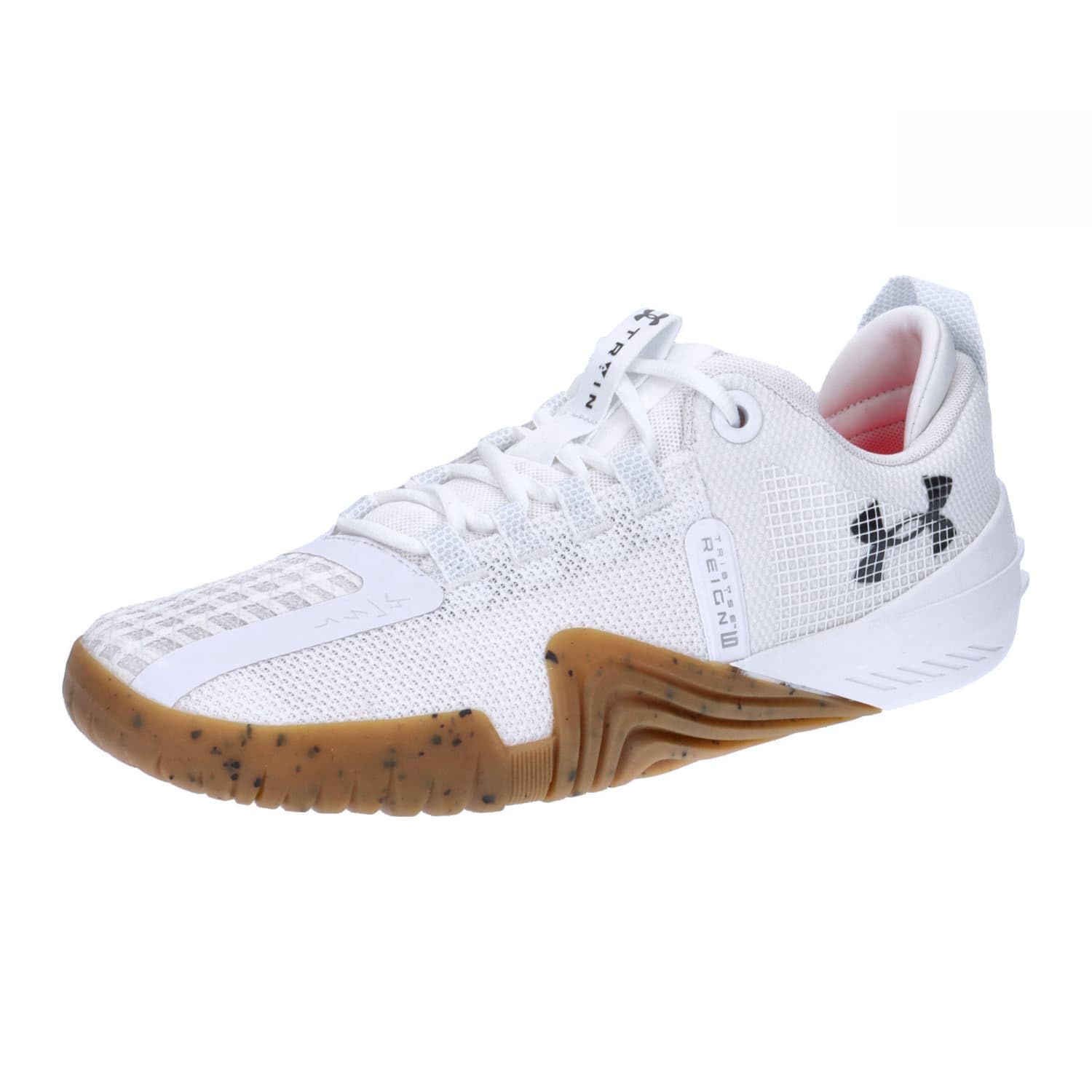
Under Armour TriBase Reign 6

Under Armour

Under Armour TriBase Reign 6

  • Type Training shoe
  • Model Number 3027341
  • Listed Weight 2.4 lb (packaged)
Check Price on Amazon

Our most stable pick under a bar, with a wide toe box for lifting.

Where our top pick tries to be good at everything, the TriBase Reign 6 is honest about being a lifting shoe. Under Armour spent the money on the base: a low, stiff heel and a wide, flat forefoot that feel built for the platform rather than the pavement.

That focus is why we like it so much on barbell days. The heel barely compresses when you brace, the forefoot doesn't rock, and the toe box is wide enough that your toes can spread the way they should at the bottom of a squat. It's the pair we hand over when someone says their program is squats, deadlifts, and a short conditioning piece at the end.

The rest of the build keeps up. The upper is sturdy without being stiff on the first wear, and it has held its shape over months of sessions instead of softening into a sock. Nothing pinches across the ball of the foot either, which is where most trainers start to feel tight after an hour.

Running is the one thing it can't do. The sole is too flat and too firm for anything past a treadmill warm-up, and the shoe has no interest in cushioning a heel strike. If your week includes real distance, keep a pair of runners alongside these and use this one for the rack.

Bottom Line

If your sessions are mostly barbell work, this is the pair to buy — the steadiest shoe here, as long as you don't plan to run in it.

Check Latest Price

Best Value

Our Score 9.2/10
Under Armour Charged Commit 4

Under Armour

Under Armour Charged Commit 4

  • Type Trainer
  • Model Charged Commit Trainer 4
  • Department Men's
Check Price on Amazon

A stiff, supportive trainer that costs less than most here and takes a beating.

Stiff is usually a criticism in a sneaker. In the Charged Commit 4 it's the point. The midsole barely flexes, the side walls are reinforced, and the heel sits in a firm cup, so the shoe feels planted the moment you put weight through it. We've used it for lifting, for a circuit of kettlebell swings and step-ups, and for a long day of standing, and it never felt like it was working against us.

The fit is the friendliest of this group for wide feet: a roomy toe box, a true-to-size length, and a cloth upper that gives just enough across the instep. That upper does loosen after the first few wears, so if you're exactly between sizes, the smaller one ends up the better call.

What you give up is running. The same rigidity that makes a set of squats feel solid is unforgiving over distance, and the shoe doesn't pretend otherwise — it's a gym and all-day-standing shoe, and that's a fair trade for what it costs. It also looks better than a workhorse trainer has any right to.

Bottom Line

The best value here: a stiff, supportive trainer that handled circuits, lifting, and long days on our feet without asking much in return.

Check Latest Price

Best For Wide feet, budget

Our Score 9.2/10
New Balance 608 V5

New Balance

New Balance 608 V5

  • Type Cross trainer
  • Model 608 V5
  • Department Men's
Check Price on Amazon

This is the one in the guide that comes in wide and extra-wide, and for a lot of people that settles the question. The leather upper opens over a broad foot instead of pinching across the ball, and the padded collar and tongue mean it feels broken in on the first wear rather than the fifth.

It's more of a standing shoe than a training shoe, and that's not a knock. The sole is forgiving over a long day, the arch support is real rather than nominal, and the leather holds its shape better than any mesh upper here. The laces run absurdly long — plan on double-knotting or trimming them.

Where it falls short is the gym. The flat sole is fine for lifting, but for lateral work and anything bouncy the shoe feels vague underfoot, and it's not the model we reach for on a conditioning day. New Balance made a supportive, genuinely affordable shoe here; it's just built around standing and walking rather than around a barbell and a stopwatch.

Bottom Line

If you need wide or extra-wide and spend more time standing than sprinting, this is a lot of shoe for the money — just don't expect it to outlast hard gym use.

Check Latest Price

Best For Agility and HIIT

Our Score 9.0/10
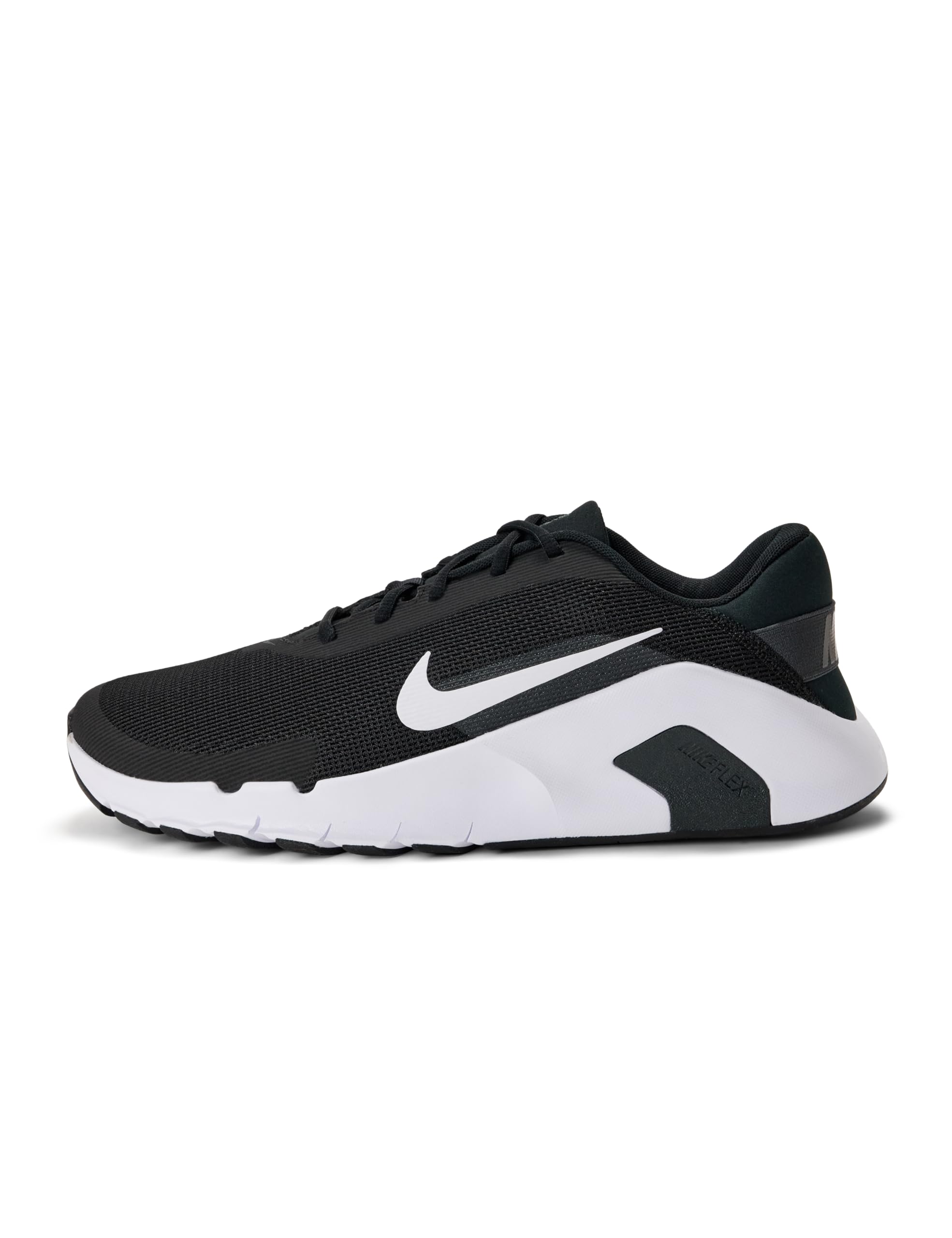
Nike Flex Train

Nike

Nike Flex Train

  • Type Workout shoe
  • Model Flex Train
  • Department Men's
Check Price on Amazon

The Flex Train is the lightest shoe in this guide, and it changes how quick a footwork drill feels. There's almost nothing to it — a thin mesh upper, a forefoot that bends where your foot bends, and a sole you forget about halfway through a class.

That makes it our pick for the conditioning side of training: shuttle runs, jump rope, agility ladders, and any session that keeps you moving. It handles moderate lifting without complaint. What it isn't is a platform shoe — the forefoot flexes under a heavy squat, and once the bar gets serious we wanted something firmer under the midfoot.

Fit is the catch. The Flex Train runs narrow through the midfoot and is the shoe here most likely to feel a half size small, so size up if you're on the line or you have wide feet. Laced snug, the mesh holds your foot well enough for side-to-side work, and it stays comfortable long after a stiffer trainer would have you looking for a bench.

Bottom Line

Our pick for the conditioning end of a session: light, flexible, and cheap enough to keep alongside a firmer lifting shoe.

Check Latest Price

How We Tested Cross-Training Shoes

We started with a longer list of cross-training shoes from brands we've trusted and newer names with strong review records, then narrowed it by price, available sizes, and whether the shoe was actually built for mixed training rather than running or lifting alone. The final 11 pairs went to testers who wear a range of foot shapes and sizes, including people who need more arch support and people who prefer a roomier toe box. Each tester wore the same pair for six months across their normal routine: lifting sessions, HIIT classes, treadmill warm-ups, turf drills, and the walk to and from the car.

At the first wear, we compared each shoe with the tester's everyday sneaker size, tried them with thin and thick socks, and walked around the gym to check heel slip, toe pressure, and whether the arch felt supportive or intrusive. During workouts we noted if the shoe stayed stable under squats and lunges, if it flexed for sprints and jumps, and if it made noise—squeaking on wood floors, clacking on turf, or loud landings during box jumps. We also watched for hot spots, pinching, and how quickly the cushioning softened.

After each session, we looked at outsole wear, frayed laces, loose stitching, and creasing across the toe box; every few weeks we photographed the pair to compare scuffs and color fading. At the six-month mark, we asked whether the shoe still felt supportive enough for another training block and whether we'd pay full price for it again. The pairs that moved on to the final list were the ones that stayed comfortable, looked reasonably intact, and handled a mixed week without forcing us to change shoes between lifts and cardio.

How to Choose

Start With the Sole

A lifting shoe wants a firm, flat platform: the less the midsole compresses, the less your ankle has to work to stay level under a bar. A conditioning shoe wants the opposite — flex and cushioning for landings and footwork. Most people are buying for both, so pick the side you lean toward and accept the compromise on the other.

The trap is buying a soft, cushioned running shoe because it feels wonderful in the store. That heel compresses under load and rolls outward on a lateral lunge, and no amount of lacing fixes it. Our top pick and the TriBase Reign 6 both solve this the same way, with a wide, firm base and very little give in the heel.

Get Fit and Width Right

Sizing is the fastest way to end up with a good shoe you never wear. It varies by model and by brand, so treat the size you take in one trainer as a starting point rather than a fact. The Alpha Trainer 6 runs short and narrow; the Flex Train runs narrow through the midfoot; the 608 V5 and the TriBase Reign 6 come in wide and extra-wide.

Go up half a size if you're between sizes and plan to wear thicker socks, and pay attention to the upper: mesh and cloth give a little after a few sessions, leather holds its shape. A shoe that is snug at the ball of the foot but not tight is the right starting point.

Decide How Much Shoe You Want

Lighter is better for anything with footwork in it — a shoe like the Flex Train all but disappears during a class. But low weight usually means less structure, and structure is what keeps you steady once the load goes up. There's no single shoe that is both the lightest and the firmest, which is why both ends of that scale are on this list.

If you train four or five days a week across strength and conditioning, the honest answer is a firmer trainer for barbell days and a light pair for the rest. If you want one pair, buy toward the firm end and accept a woodier ride on the cardio.

Look at the Upper

Leather uppers, like the one on the 608 V5, hold their shape for years and wipe clean, but they run warmer and take longer to dry after a sweaty session. Mesh breathes far better but stretches, which is why fit matters more with a knit or mesh shoe — a mesh trainer that is slightly loose on day one will be noticeably loose in a month.

For mixed training, a reinforced mesh with a padded collar is the most forgiving compromise. If you mostly lift in a cold gym and want the shoe to keep its shape, leather is the more durable choice.

Frequently Asked Questions

Final Verdict

Buy the Nike Air Max Alpha Trainer 6 if you want one shoe for lifting, classes, and everything in between. Its firm, flat platform is the most useful thing in this guide, and the only thing to sort out before you order is the sizing.

If the barbell is the main event and cost isn't the constraint, the TriBase Reign 6 is steadier still and worth the premium. And if you're buying for a rotation of circuit days and long standing shifts, the Charged Commit 4 delivers most of that stability for less.